Newsletters


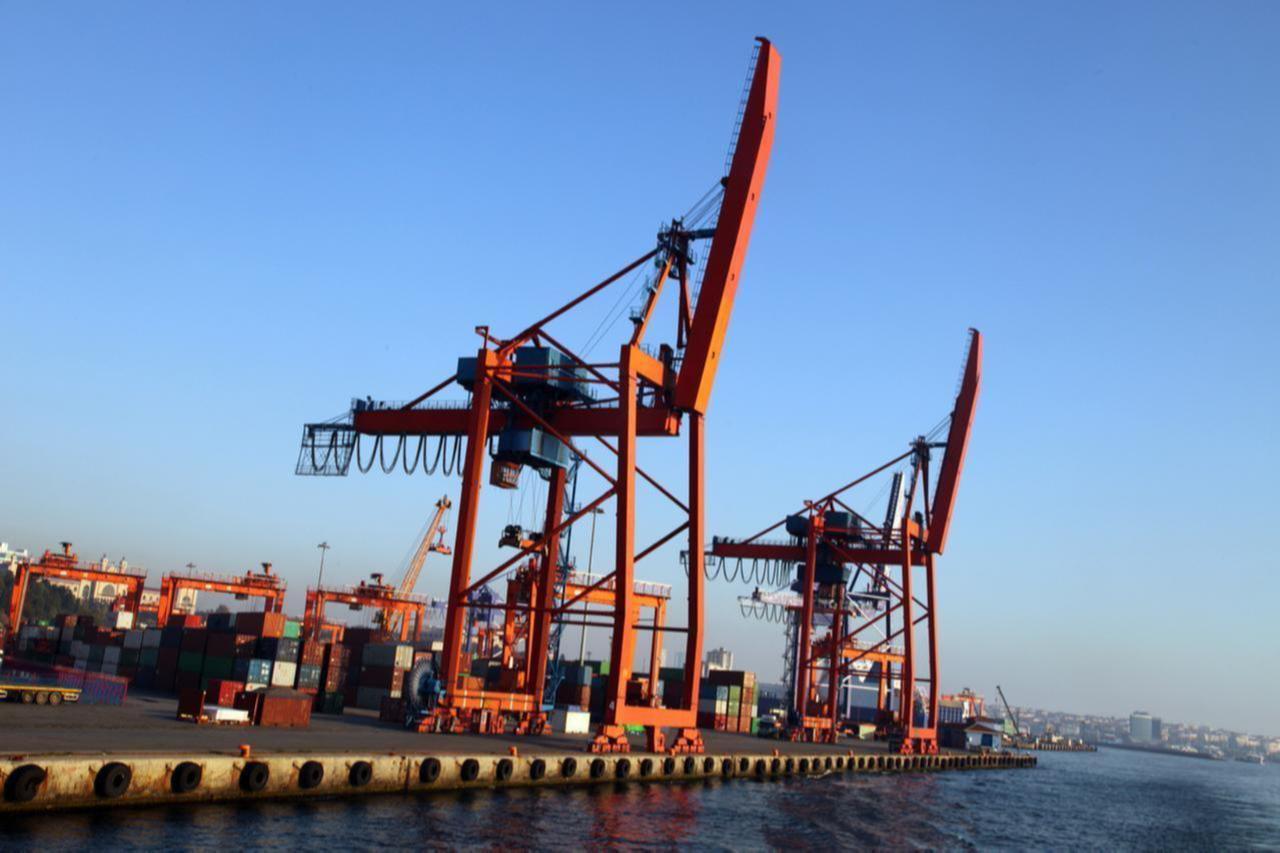


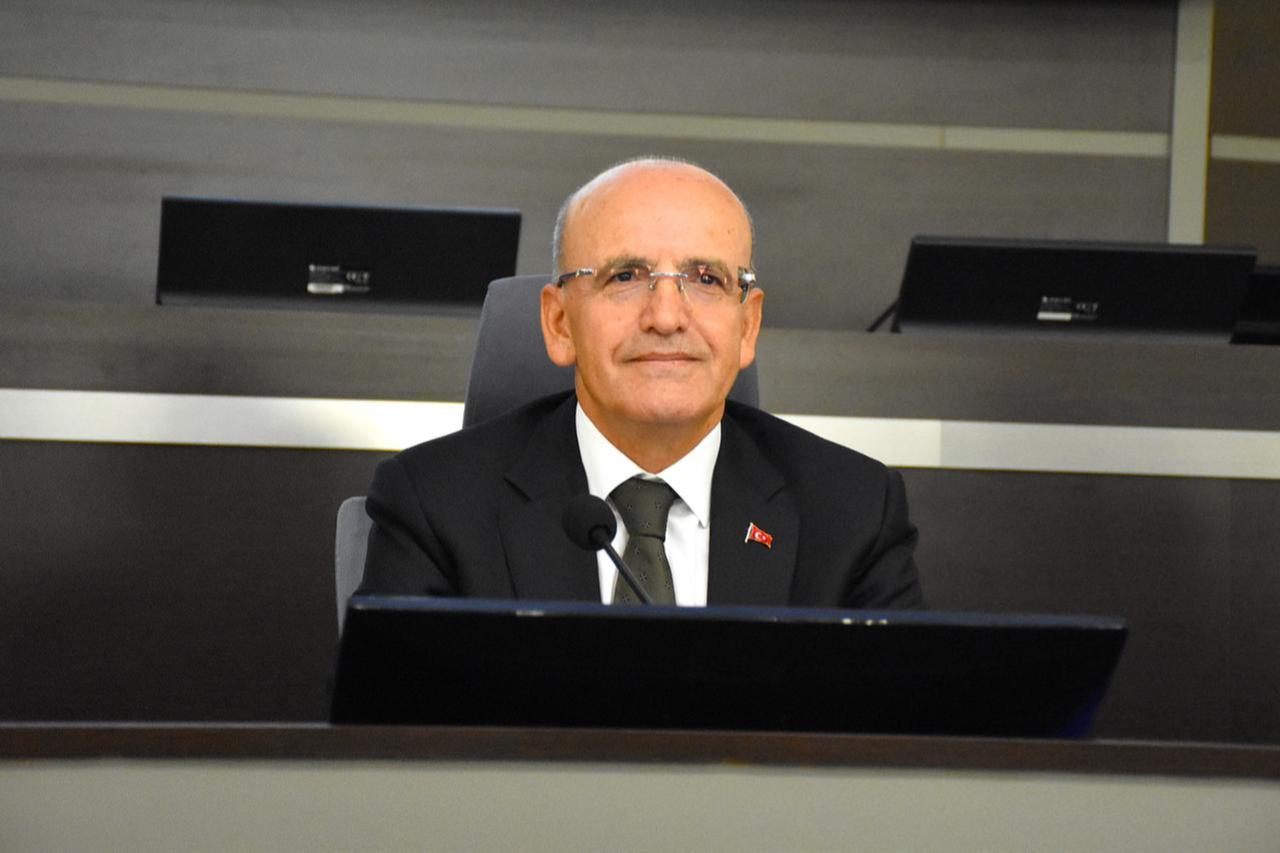
Türkiye’s Trade Minister Omer Bolat urged the European Union to move forward with a Customs Union overhaul, arguing that mounting strain in global trade has made modernization essential to protect supply chains and unlock further economic potential.
"The modernization of the Customs Union has become a strategic necessity," Trade Minister Omer Bolat said, linking the call directly to rising uncertainty, geopolitical risks and structural shifts in trade.
"Türkiye’s preferential partner status under the Customs Union should be taken into account, and Türkiye should not be treated as a third country," he added, regarding the planned EU measures.
The remarks came at a high-level roundtable hosted by the Union of Chambers and Commodity Exchanges of Türkiye (TOBB) on Thursday, in cooperation with the International Chamber of Commerce and Eurochambres.
The EU remains Türkiye’s largest trading partner, while Türkiye ranks as the bloc’s fifth-largest and third-largest preferential partner, with trade reaching $233 billion.
Türkiye’s integration into European production networks remains a central pillar of its trade strategy. "Türkiye has become an integral part of European value chains," Bolat said, pointing in particular to manufacturing, where supply chains are becoming more diversified and resilient.
Bolat welcomed aspects of the European Commission’s Industrial Accelerator Act for potentially including Türkiye within its scope, though some ambiguities remain. Attention is now turning to measures planned for July 2026, which could disrupt the current balance. "These measures risk weakening deep economic integration," he warned.
"With joint efforts and a forward-looking vision, we can build a more inclusive, resilient and prosperous future for Türkiye and the EU."
Bolat framed the Customs Union call within a broader shift in the global economy, where trade is becoming less predictable and more fragmented. "The global economy has so far shown resilience against shocks, but this resilience is fragile," he said.
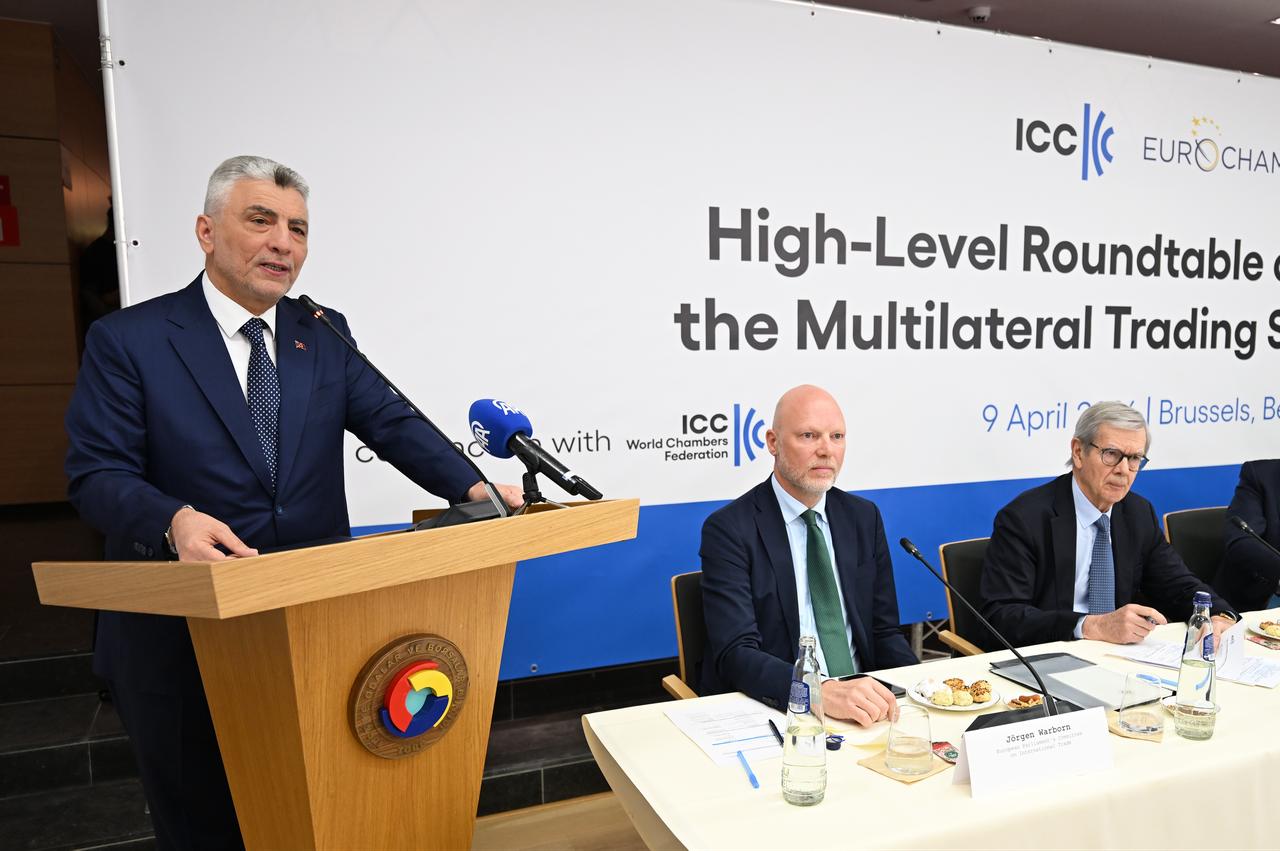

Slower growth, rising protectionism and stronger state intervention are reshaping the system, while countries are reconfiguring supply chains, Bolat highlighted.
"Almost all countries are trying to diversify their suppliers and trade partners and shift production closer to key markets," he noted, adding that trade policy increasingly reflects sovereignty priorities, leaving the global system more exposed to geopolitical shocks.
The same pressures are straining the rules-based trading system, he continued, pointing to a deeper erosion of trust between countries. "All members need the predictability and reliability provided by a rules-based system without exception."
Türkiye treats reform of the World Trade Organization as a practical requirement rather than a long-term ambition. "We view WTO reform not as a theoretical goal, but as a practical necessity to preserve the system’s credibility and effectiveness," Bolat stressed. "We must focus on common ground that will create a fair trade framework for all parties."
After the meeting, the minister held talks with European Commissioner Wopke Hoekstra, during which the two sides discussed the impact of the EU’s green transition policies on Türkiye’s trade, with a particular focus on the implementation of the Carbon Border Adjustment Mechanism (CBAM).


 Set as preferred source
 Set as preferred source


 1 min read
 1 min read