Newsletters





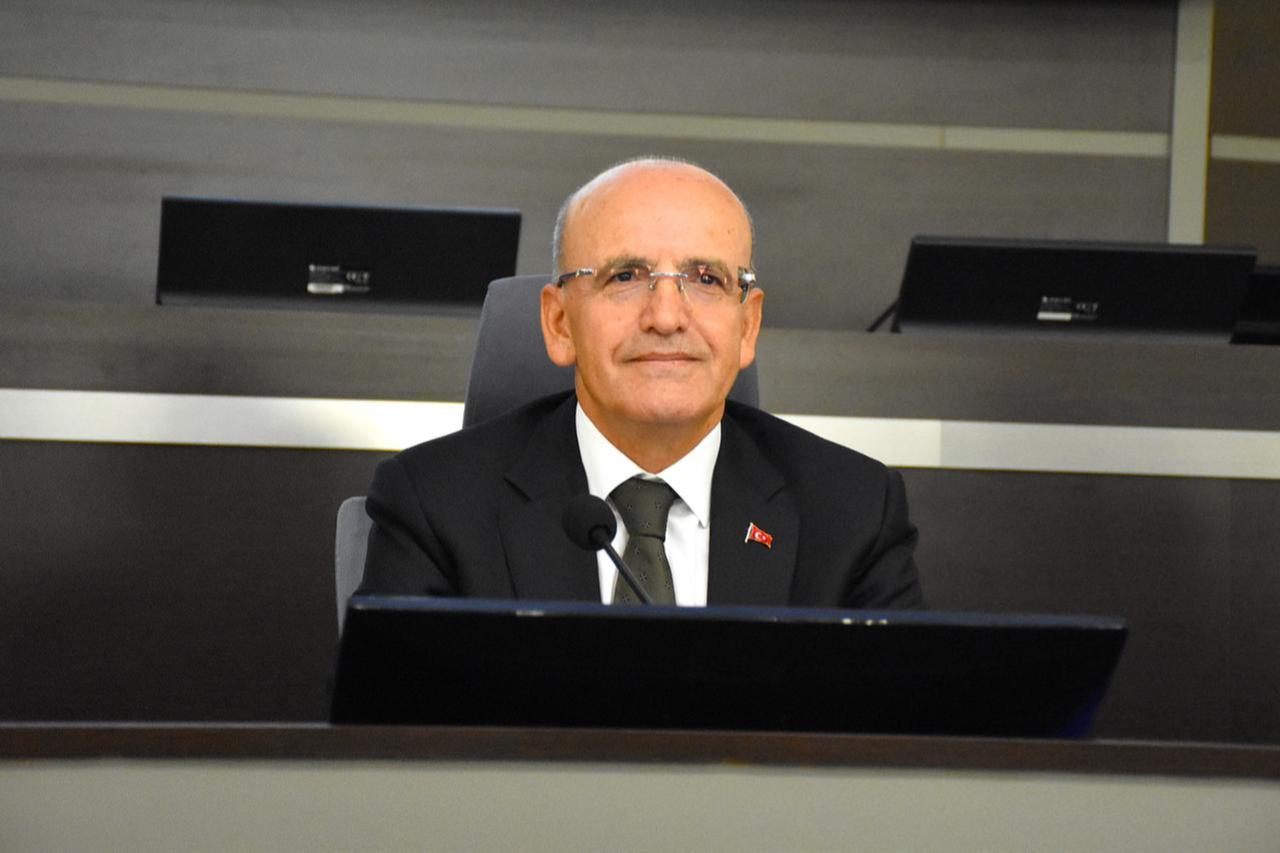
Türkiye is preparing "radical" incentives to attract long-term global capital seeking stable destinations after the Iran war, Treasury and Finance Minister Mehmet Simsek confirmed Thursday.
"We are working on how to attract capital into Türkiye for permanent production," Simsek said, signaling potential corporate tax reductions for companies that choose Türkiye as a production base, while also aiming to encourage Turkish investors to bring overseas earnings back into the domestic economy.
He also indicated that plans for tax incentives for the Turkish exporters are also underway.
An earlier Bloomberg report suggested that Türkiye is planning to broaden tax incentives to draw foreign firms relocating from Gulf countries during the Iran war, with legislation in the works to introduce nationwide benefits, including a 50% tax break on offshore trade income. The draft is expected to be submitted to parliament in the coming weeks, the report added.
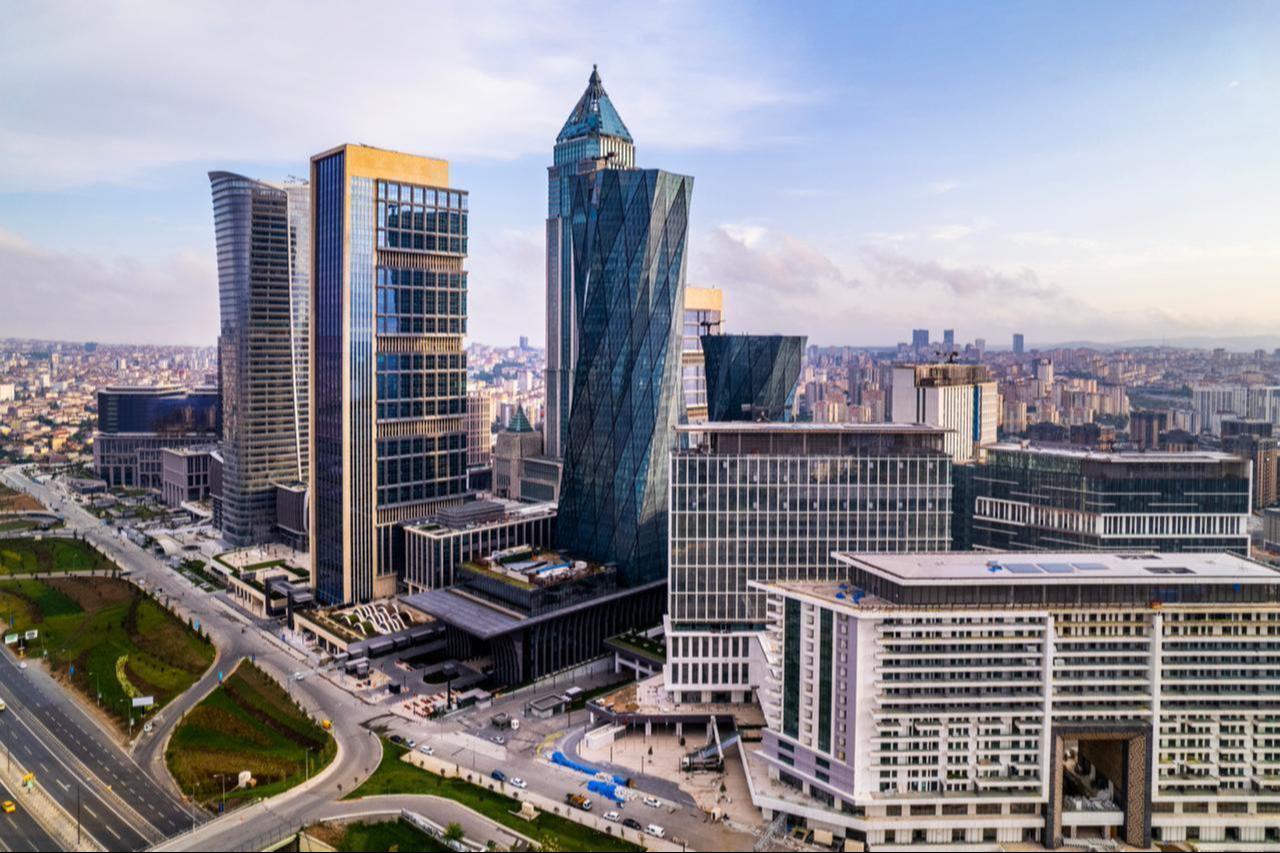
Some international companies have already reached out to the Istanbul Financial Center (IFC) to explore ways to relocate or expand operations in Türkiye, CEO Ahmet Ihsan Erdem also revealed earlier.
During the war, outflows from Turkish assets fueled social media claims that the government might roll back withholding tax on interest and fund income to lure non-resident inflows again, after it was raised to 17.5%.
"We will continue to tax income earned from money. There is no withholding tax cut on our agenda," Simsek said, rejecting those claims and signaling there are no plans for any such move.

On the Iran war's impact on Türkiye and the global economy, Simsek noted that the truce offers relief but does not quickly mend fractured supply chains. Even under an optimistic scenario, a return to pre-war conditions could stretch over months, he argued, with risks re-emerging if the ceasefire breaks.
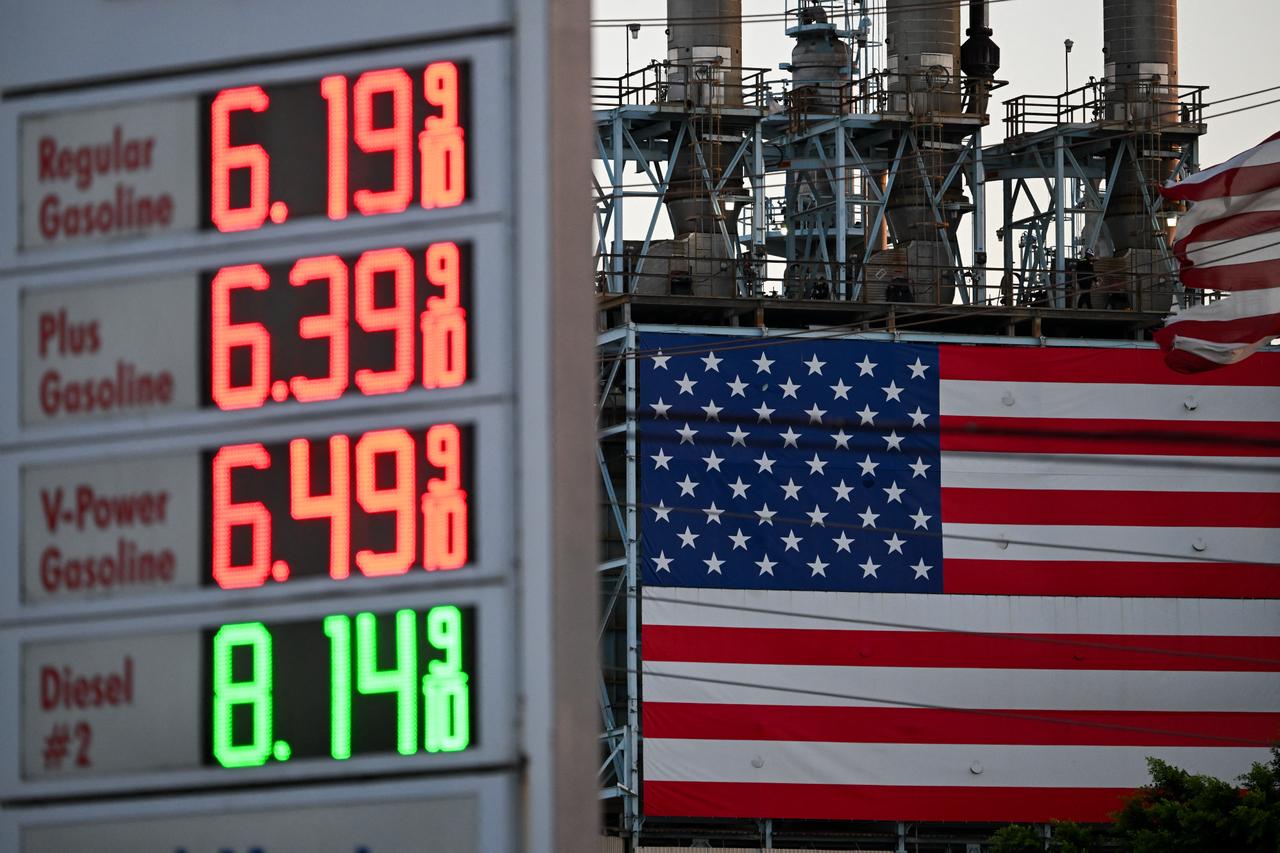
"The continuation of the ceasefire matters most," he said, warning that rising oil and gas prices could reignite inflation and drag growth lower, raising the risk of a global recession.
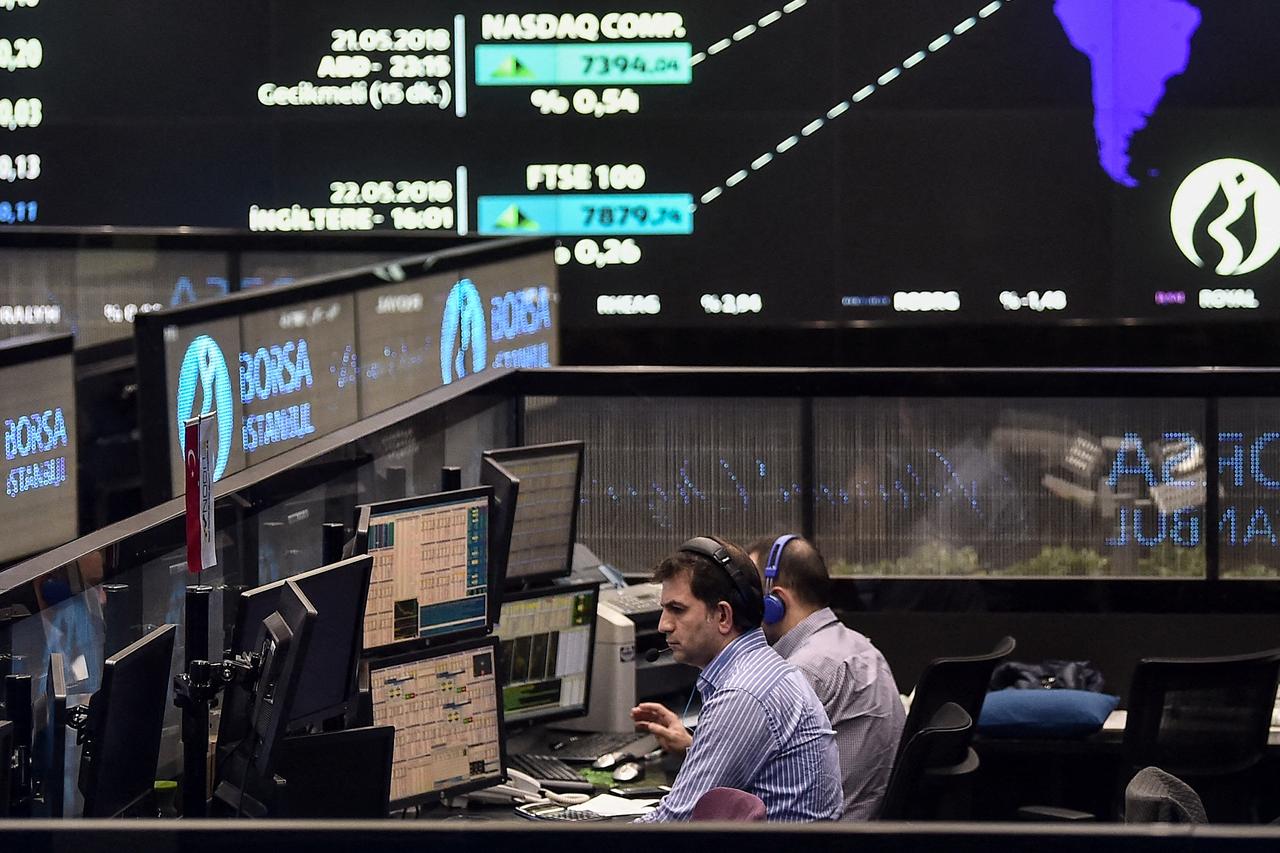
Simsek asserted that Türkiye moved quickly to contain market reactions and maintain stability. "If you build strong buffers in time, you increase resilience against external shocks," he said, noting that the priority was to ensure markets function smoothly while limiting volatility.
On financial stability, Simsek said Türkiye’s central bank reserves remain strong at around $162 billion, despite a $48.7 billion decline from peak levels, much of which was driven by falling gold prices.
Against that backdrop, Ankara is maintaining its policy course, with Simsek stressing that combating the cost of living remains the government’s primary objective even as inflation expectations drift above official targets.


 Set as preferred source
 Set as preferred source


 1 min read
 1 min read