Newsletters


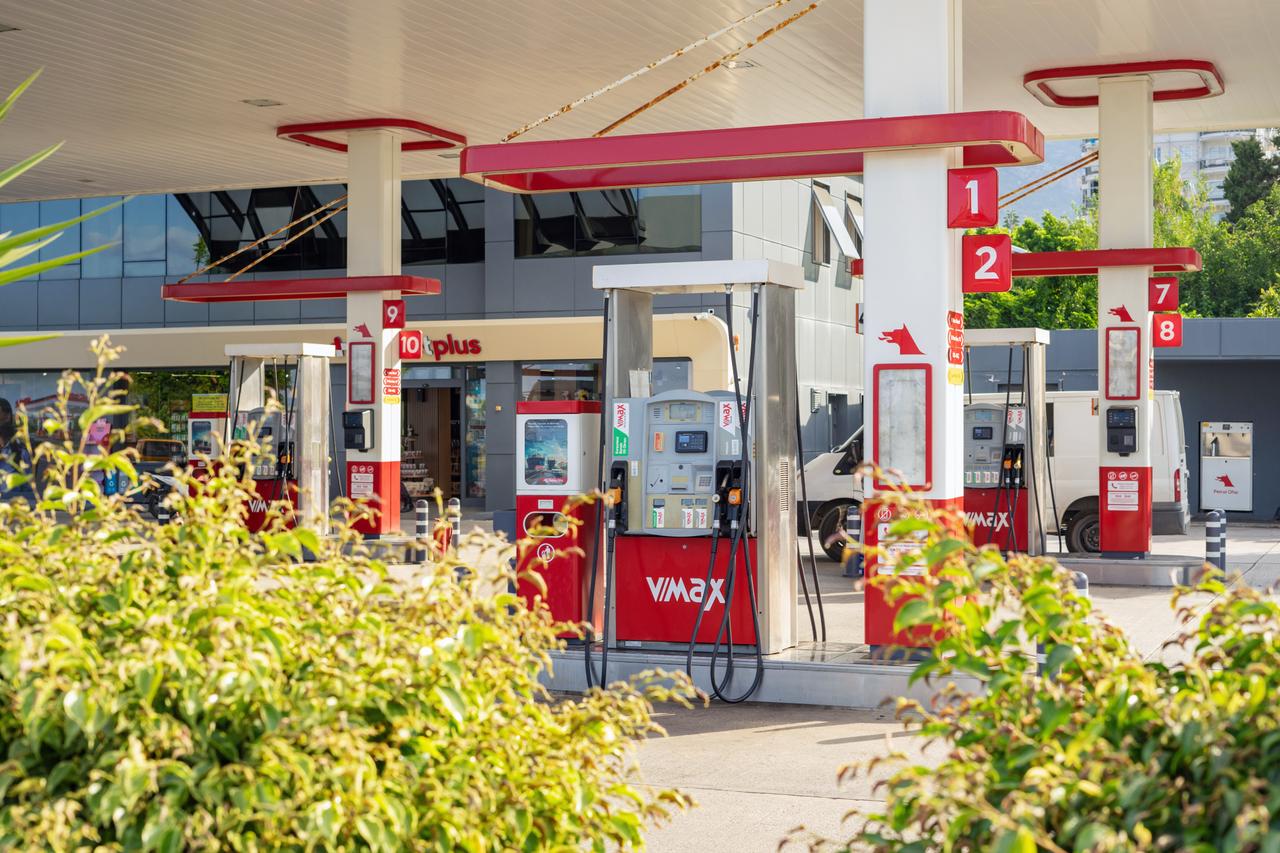


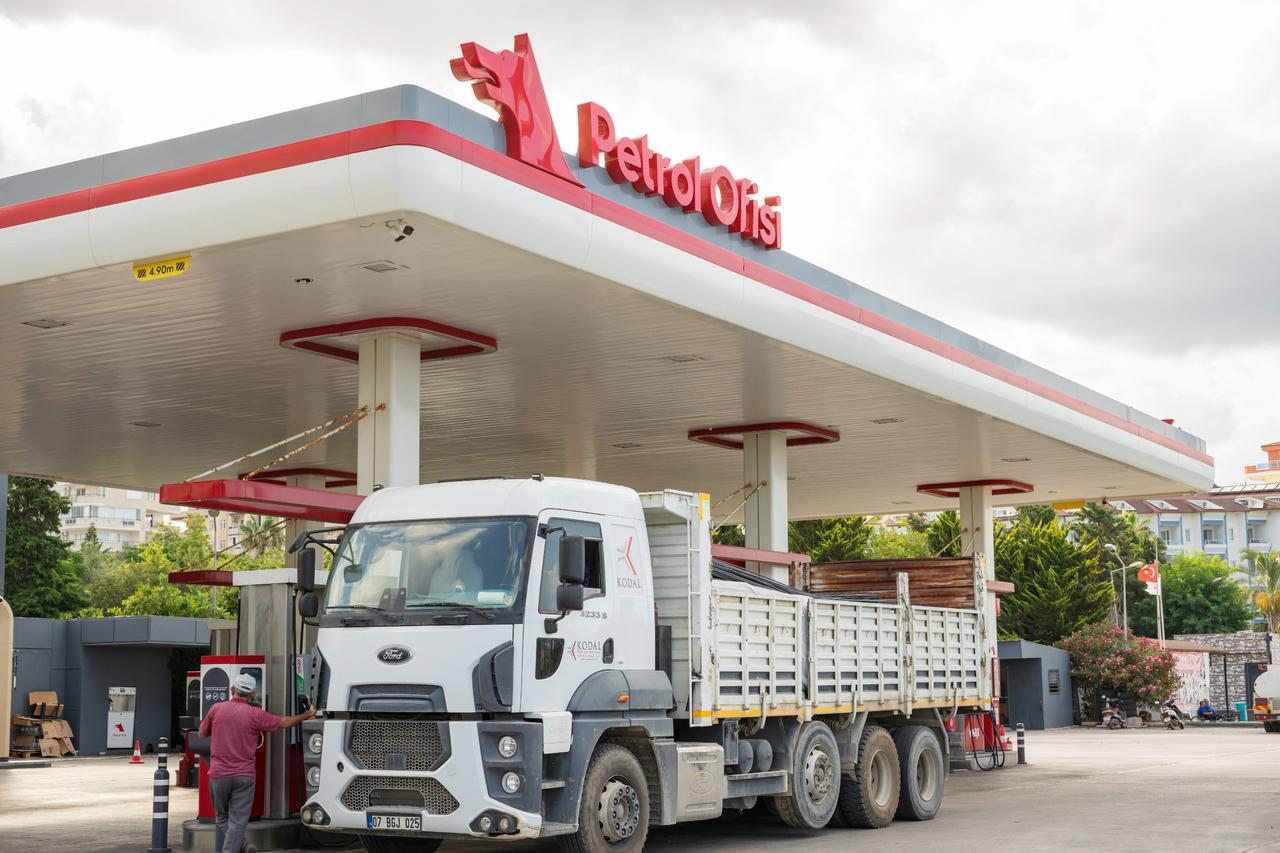
Türkiye's fuel sector is bracing for uncertainty as pump prices approach the ₺100 ($2.06)-per-liter threshold, raising questions over whether thousands of stations can keep operating normally if prices climb above ₺99.99, while much of the country's pump infrastructure needs costly upgrades to handle three-digit prices.
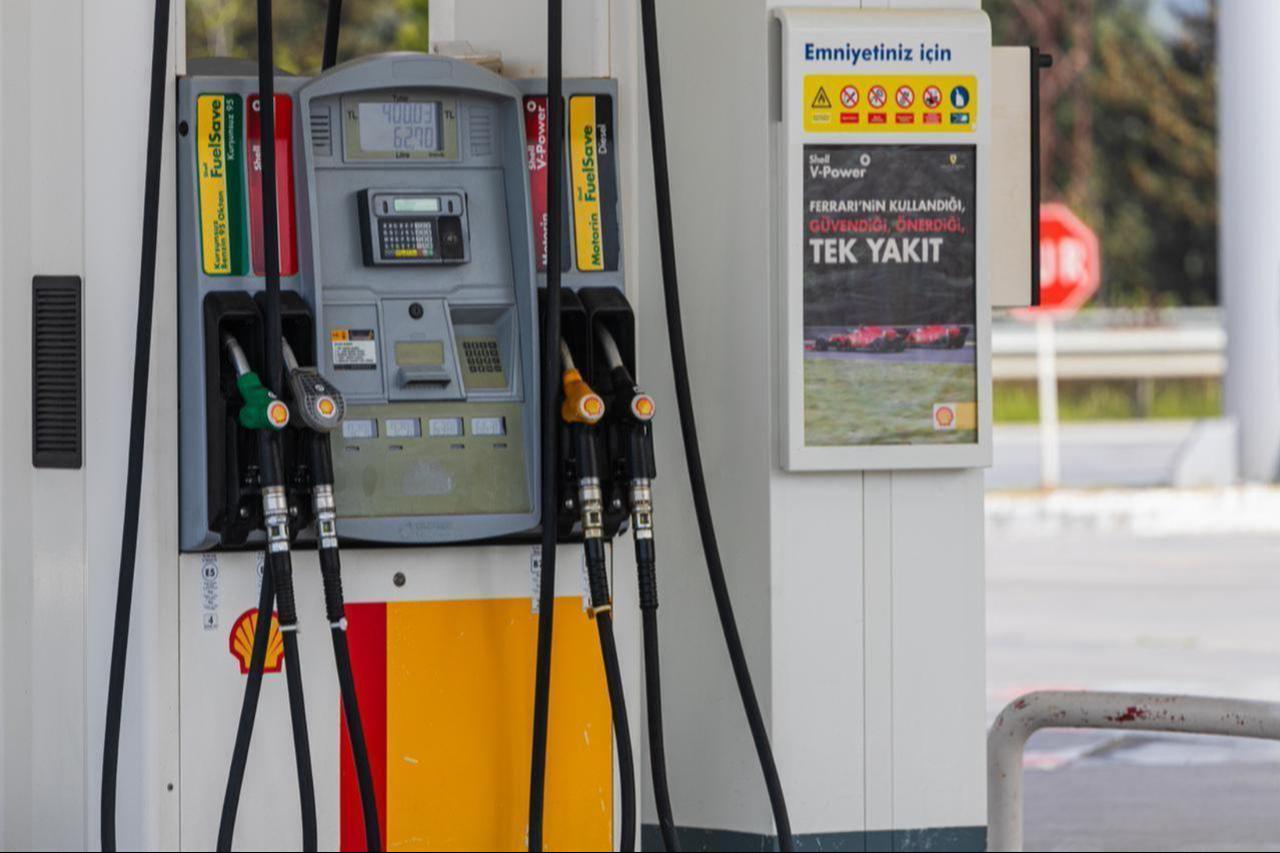
Of the 75,000 to 80,000 pumps operating across 14,000 licensed fuel stations, roughly one-third are older mechanical or manual models incapable of displaying three-digit unit prices, sector representatives told ekonomim.com.
Replacing an older manual pump with a new one costs about $7,000 per unit, while the card and automation upgrades needed for two-digit digital pumps cost about $1,500 each. Based on the estimated number and type of pumps requiring work, the total conversion bill comes to about $212.5 million, the report said.
Another one-third of Türkiye’s pumps have digital displays but are limited to two-digit pricing by their software and motherboard architecture. They can show prices only up to ₺99.99 and need card and software upgrades to handle three-digit figures, while the remaining one-third, mostly newer or recently upgraded equipment, is already capable of displaying higher prices, the report noted.
The uneven condition of the pump network means stations face different upgrade needs depending on the equipment they have in place. For fuel dealers and distribution companies already operating on tight margins, the prospect of carrying out the work quickly adds another financial burden.
Sector representatives told the outlet that industry representatives are in talks with the Energy Market Regulatory Authority (EPDK) over how to manage the transition if prices move beyond the two-digit limit. They are seeking a reasonable timeframe to complete the upgrades, along with temporary measures and regulatory adjustments.
Meanwhile, distribution companies and pump-automation firms are continuing fieldwork to update equipment, as the sector seeks regulatory support to keep stations operating as prices potentially move into three-digit territory.

Fuel prices in Türkiye have risen drastically since the start of the Iran war in late February, reaching levels not seen before, driven by surging oil prices and refinery margins.
In Istanbul's European side, gasoline has climbed from ₺57.27 per liter on Feb. 27 to ₺80.26 on Sept. 14, a 40.1% increase, while diesel has risen from ₺60.37 to ₺89.01 over the same period, up 47.4%.
To contain price pressures, the government introduced a fuel tax mechanism in March that used cuts in Special Consumption Tax (SCT) to absorb part of increases in domestic refinery prices. Under the initial system, 75% of an increase linked to international oil prices or exchange rates was offset through lower SCT, limiting the amount passed on to consumers.
In August, the government removed diesel from the sliding-scale system and set its SCT at zero through the end of August, followed by a gradual increase to ₺3 per liter each month through December, aiming to further ease the impact of sharper diesel price hikes.
For gasoline, the sliding-scale mechanism is also being phased out, with the SCT offset cut to 50% in July and 25% from August through September before ending on Oct. 1.
Another diesel price increase is expected to take effect Tuesday, Sept. 15, 2026, although the final amount and timing have yet to be determined by the relevant authorities, Turkish media reported.
Fuel prices in Türkiye are shaped by international oil and refined-product prices, the exchange rate, taxes, and distribution and dealer margins, with changes in global markets and the lira feeding through to pump prices.


 Set as preferred source
 Set as preferred source


 1 min read
 1 min read