Newsletters


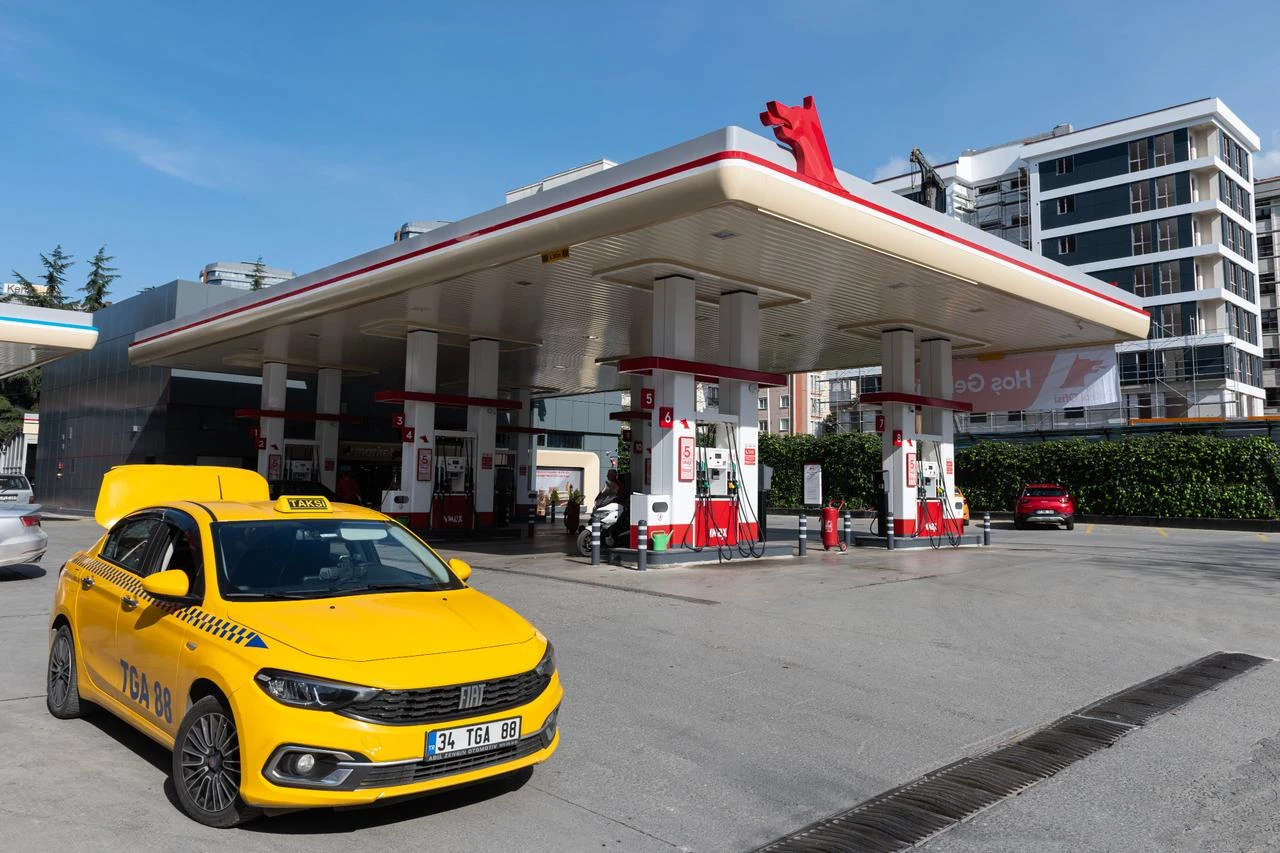


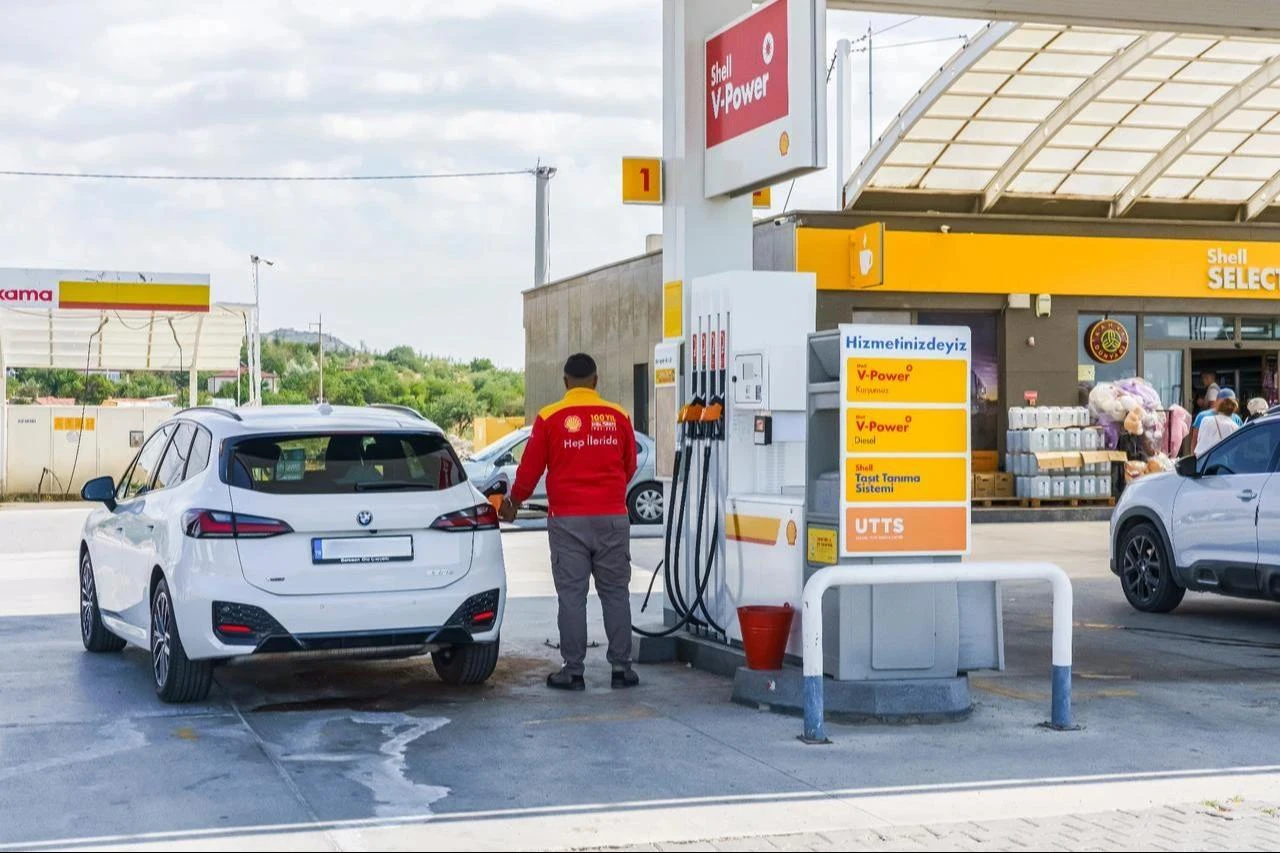
Türkiye is set to gradually phase out its fuel tax adjustment mechanism over the next three months under a presidential decree published on Friday, as global oil prices returned to pre-war levels.
The decision reshapes the sliding-scale tax system, which adjusts excise taxes on fuel products in response to changes in domestic refinery prices.
Reintroduced in March to cushion the impact of volatile oil prices, the mechanism is set to be dismantled in stages before ending entirely on Oct. 1.
Under the revised framework, if domestic refinery prices rise, excise taxes on gasoline, diesel and LPG products will be cut by 50% of the increase through July 31.
Between Aug. 1 and Sept. 30, the tax reduction will cover 25% of the increase. If refinery prices fall, however, excise taxes will increase by the full amount of the decline.
The decree also suspends the automatic adjustment of the Special Consumption Tax (SCT) on fuel and other petroleum products based on the six-month change in the Domestic Producer Price Index (D-PPI) for the second half of the year to limit upward pressure on fuel prices.
The Treasury and Finance Ministry said the mechanism had made a significant contribution to the country's disinflation efforts during its four months in operation while helping absorb the impact of the U.S./Israel-Iran war on energy prices.
With global oil prices now back at pre-war levels, ending the system is not expected to have an adverse effect on inflation while also easing the burden on the state budget, the ministry asserted in a statement carried by state-run Anadolu Agency.

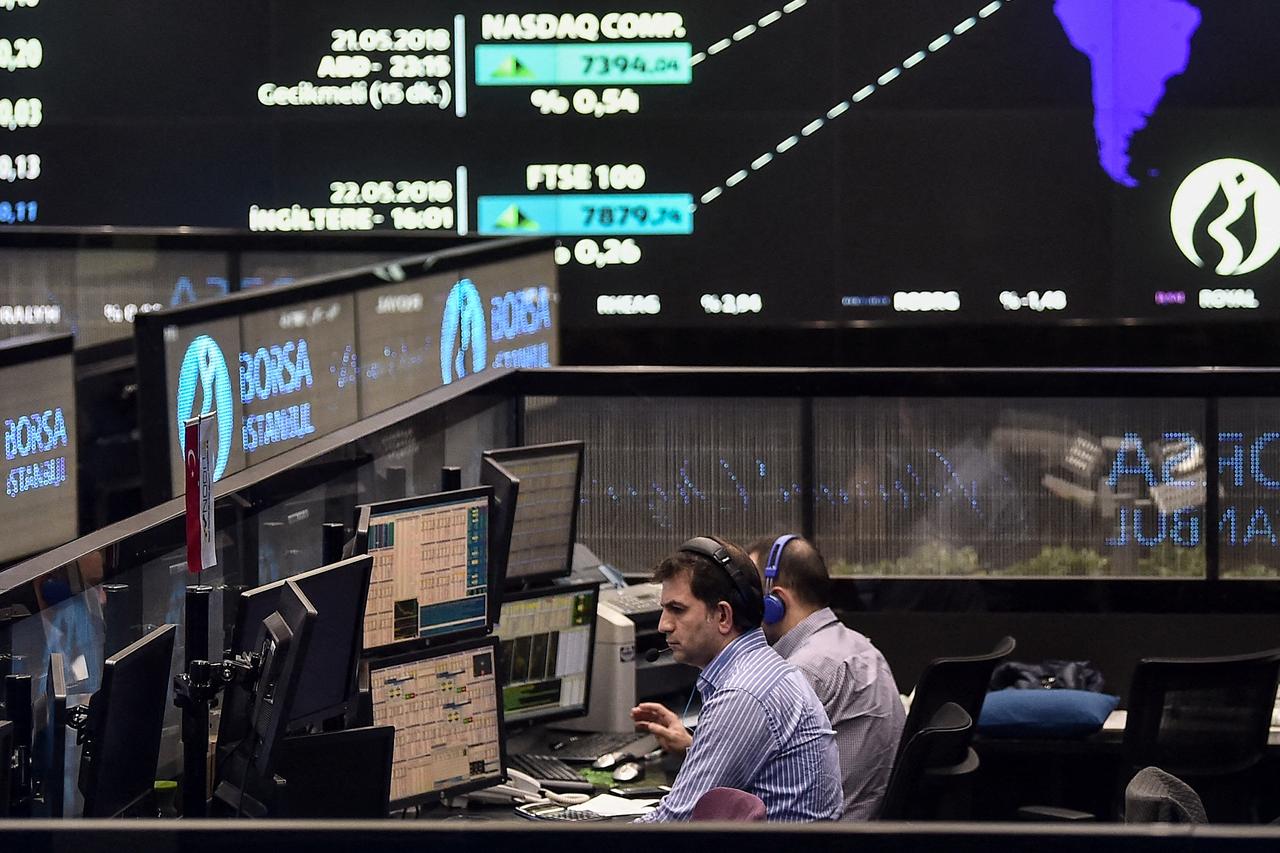
Banking shares on Borsa Istanbul fell more than 3% after the announcement, as investors remained wary of the disinflation outlook, which scaled back hopes for a faster return to monetary easing, even though monthly inflation came in broadly in line with expectations at around 1%.
Despite accounting for just 3.2% of Türkiye's consumer price index (CPI) basket, fuel has a far-reaching impact on inflation as changes in transportation and production costs ripple through nearly every sector of the economy.
Even with the mechanism in place, fuel prices climbed 9.5% in March and 9.2% in April before retreating 3% in May and 3.9% in June.
The mechanism also weighed on the central government budget, with Türkiye's SCT revenue from petroleum products falling 56.9%, or ₺62.8 billion ($1.3 billion), to ₺47.6 billion during the March-May period, according to official figures.
Treasury and Finance Minister Mehmet Simsek previously estimated the cost of the system could reach around ₺600 billion if it were to remain in place throughout the year.
A separate presidential decree also revised the SCT structure for cigarettes, lowering the proportional excise tax rate to 42% from 45% and reducing the share of tax calculated as a percentage of a cigarette's retail price.
At the same time, the minimum specific tax, which sets a minimum tax floor, was set at ₺2.3, while the fixed tax applied to every pack regardless of its retail price was set at ₺23.7.
The automatic July-December adjustment of cigarette excise taxes based on the six-month change in the Domestic Producer Price Index (D-PPI) will also not apply this year.
The Treasury and Finance Ministry said lowering the proportional tax rate reduces the minimum retail price increase manufacturers need to offset higher taxes. Under the new structure, a ₺1 increase in producer costs requires a minimum retail price increase of ₺2.9 instead of ₺3.2.
Officials said any revenue loss from the lower proportional tax rate will be offset by the higher fixed tax per pack, helping smooth cigarette price adjustments without reducing government tax revenues.
The ministry added that the suspension of the D-PPI adjustment applies only to cigarettes, while other tobacco products and alcoholic beverages will continue to receive their scheduled excise tax adjustments based on the six-month change in the D-PPI during the July-December period.
Alcoholic beverages and tobacco account for 2.8% of Türkiye's consumer price index (CPI) basket, with prices rising 3.5% in June.
The government collected a combined ₺574 billion in SCT revenue from the two categories in 2025, including ₺145.4 billion from alcoholic beverages and ₺428.7 billion from tobacco products.


 Set as preferred source
 Set as preferred source


 1 min read
 1 min read