Newsletters


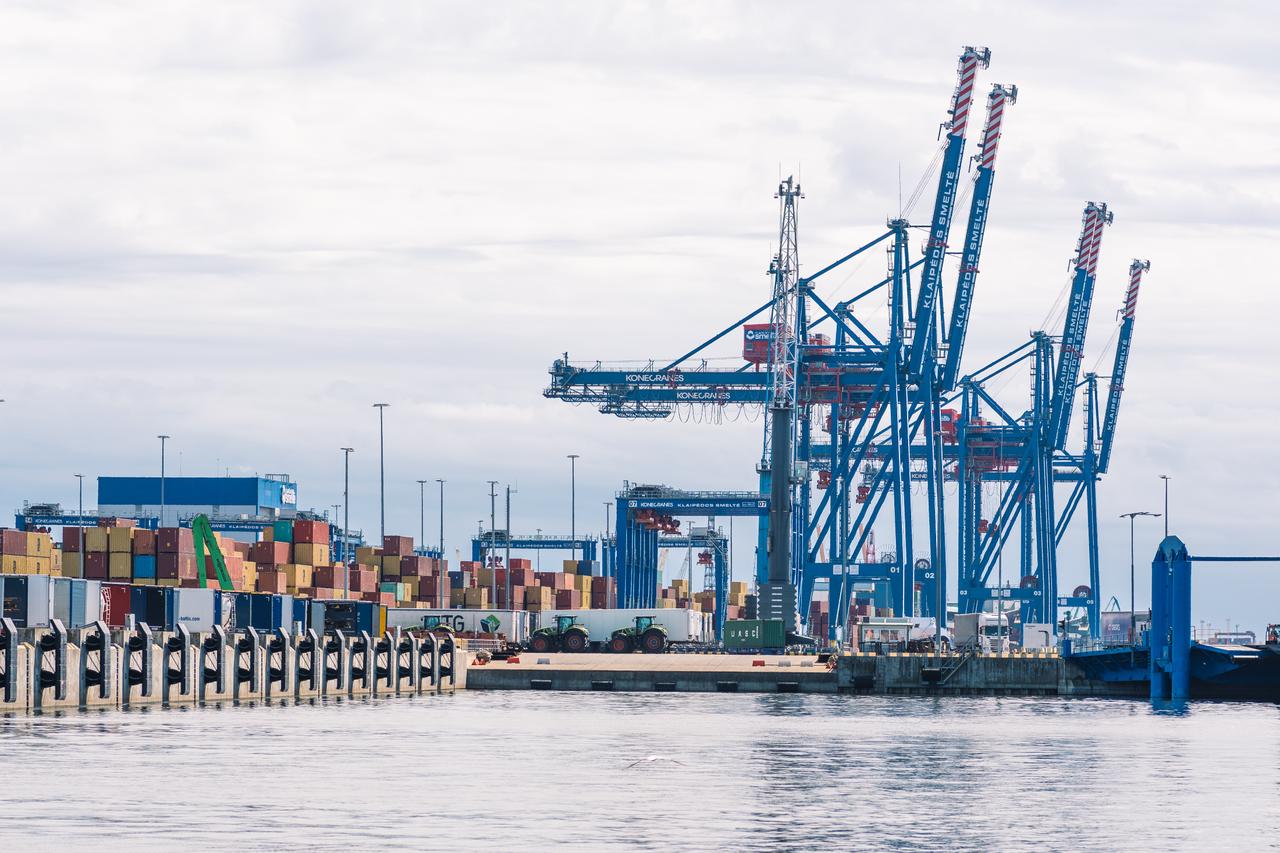


Russia continues to move its grain exports through several routes, including a newly launched Baltic corridor, Agriculture Minister Oksana Lut said, rejecting claims that the country is struggling to get its shipments to overseas buyers.
"This is the biggest value, we send all [exports] abroad!" Lut told Russian media in an interview. Millions of tons are reaching buyers through the Baltic route and the existing Caspian corridor, she added.
Russia shipped 46.3 million metric tons of grain through its Black Sea and Sea of Azov ports in the July 2025-June 2026 export season, accounting for about 90% of its seaborne grain exports, according to industry data cited by Reuters.
The shift toward alternative routes comes as security risks in the Black Sea remain elevated. Commercial vessels have faced increasing drone attacks, while Russia and Ukraine continue to strike infrastructure linked to each other's exports.
Lut also pushed back against concerns that Kazakhstan could restrict Russian grain transit, saying Russia's partners have already assured Moscow they will not impose such restrictions.
Moscow is also developing less-established export routes. Grain was previously rarely shipped through the Far East, but those routes are now being actively developed. Russia is also discussing with China the possibility of moving shipments bound for Southeast Asia through Chinese territory, Lut said.
"Generally, we have very many options. We think up such options, being much encouraged by the situation, of course. It turns out it is even possible to do fantastic things we never thought about," Lut said. She added that Russia has enough grain to meet its domestic needs and will continue supplying foreign markets.
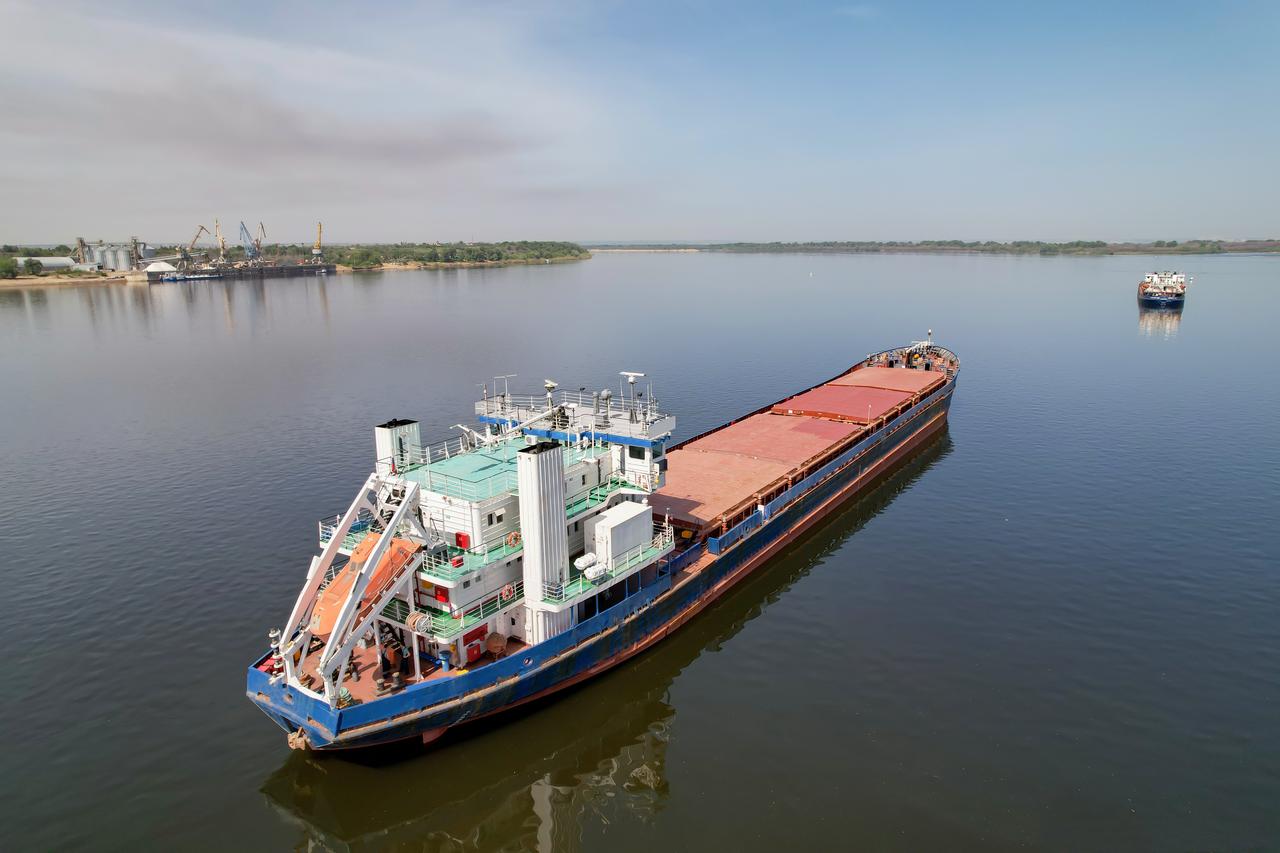

Moscow has ruled out a return to the Black Sea Grain Initiative, the 2022 agreement brokered by Türkiye and the United Nations that allowed Ukrainian grain and other food products to reach global markets through the Black Sea.
Russia did not agree to renew the initiative after it expired in July 2023 and withdrew its security guarantees for shipping in the northwestern Black Sea. The agreement had enabled the safe transport of nearly 33 million metric tons of grain and other food products from Ukraine to 45 countries.
More recently, Russian Deputy Foreign Minister Alexander Grushko said in early September that Moscow sees no grounds for reviving the deal, arguing that its key provisions had not been fulfilled and that the West's position on sanctions had not changed.
The disruption to Black Sea grain shipments has also pushed up wheat prices, adding pressure to global buyers as Russia and Ukraine remain major suppliers to international markets. Hitting a December 2022 high of $7.9 per bushel in late August, Chicago wheat futures stand at around $7.2 per bushel as of Monday, more than 40% higher than at the start of the year.
Russia remains the world’s largest wheat exporter, supplying more than 20% of global wheat shipments, with exports exceeding 40 million tons, Lut said earlier this year.


 Set as preferred source
 Set as preferred source


 1 min read

 1 min read