Newsletters


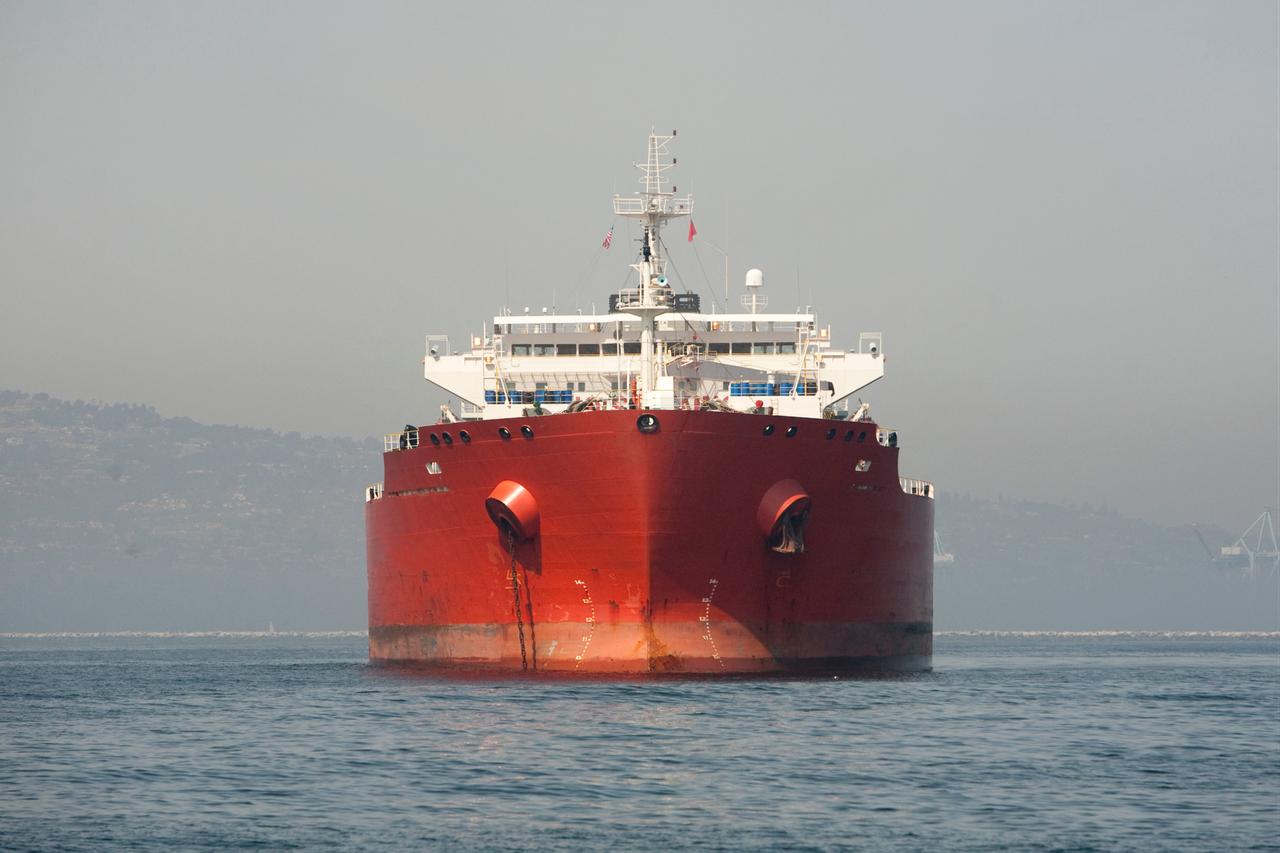


Oil prices opened the week higher after Saudi Arabia shut its East-West pipeline following drone attacks, adding pressure to an already strained global supply system.
Rising risks around the Red Sea, including advances by Houthi forces, have further complicated shipping and export routes.
Brent, the international benchmark, reached $108.3 a barrel in early trading, while U.S. benchmark West Texas Intermediate hit $103.5. By 6:14 a.m. GMT, the two benchmarks were up more than 2% at $106.8 and $102.1, respectively.
Major Asian stock markets started the session mostly lower as investors weighed surging oil prices, geopolitical risks and growing expectations of tighter monetary policy. Japan’s Nikkei 225 fell 0.7%, while South Korea’s Kospi dropped 3.4%.
Technology stocks came under additional pressure amid concerns over the pace and risks of artificial intelligence development, with SoftBank shares falling more than 11% and chipmakers including SK Hynix and Samsung Electronics also coming under pressure.
China’s Shanghai Composite slipped 0.1%, while Hong Kong’s Hang Seng edged 0.3% higher.
European shares were also mostly lower in pre-market trading Monday, with the pan-European Stoxx 50 index down 0.4%. Germany’s DAX fell 0.4%, France’s CAC 40 declined 0.2%, while the U.K.’s FTSE 100 rose 0.2%. Futures tied to the three major U.S. stock indexes pointed to a weaker open, with tech-heavy Nasdaq futures down 1.3%.
The 10-year U.S. Treasury yield also approached 5%, denting appetite for riskier assets as higher borrowing costs and persistent inflation concerns reinforced expectations for tighter monetary policy.
In commodities, gold fell 0.4% to around $4,330 an ounce, while silver dropped 1.1% to $63.8. Platinum edged 0.1% higher to near $1,800, while palladium slipped 0.3% to $1,290 an ounce.
Cryptocurrencies were mixed, with bitcoin edging 0.3% higher to around $77,450, ethereum down 0.3%, and total cryptocurrency market capitalization up 0.3%.
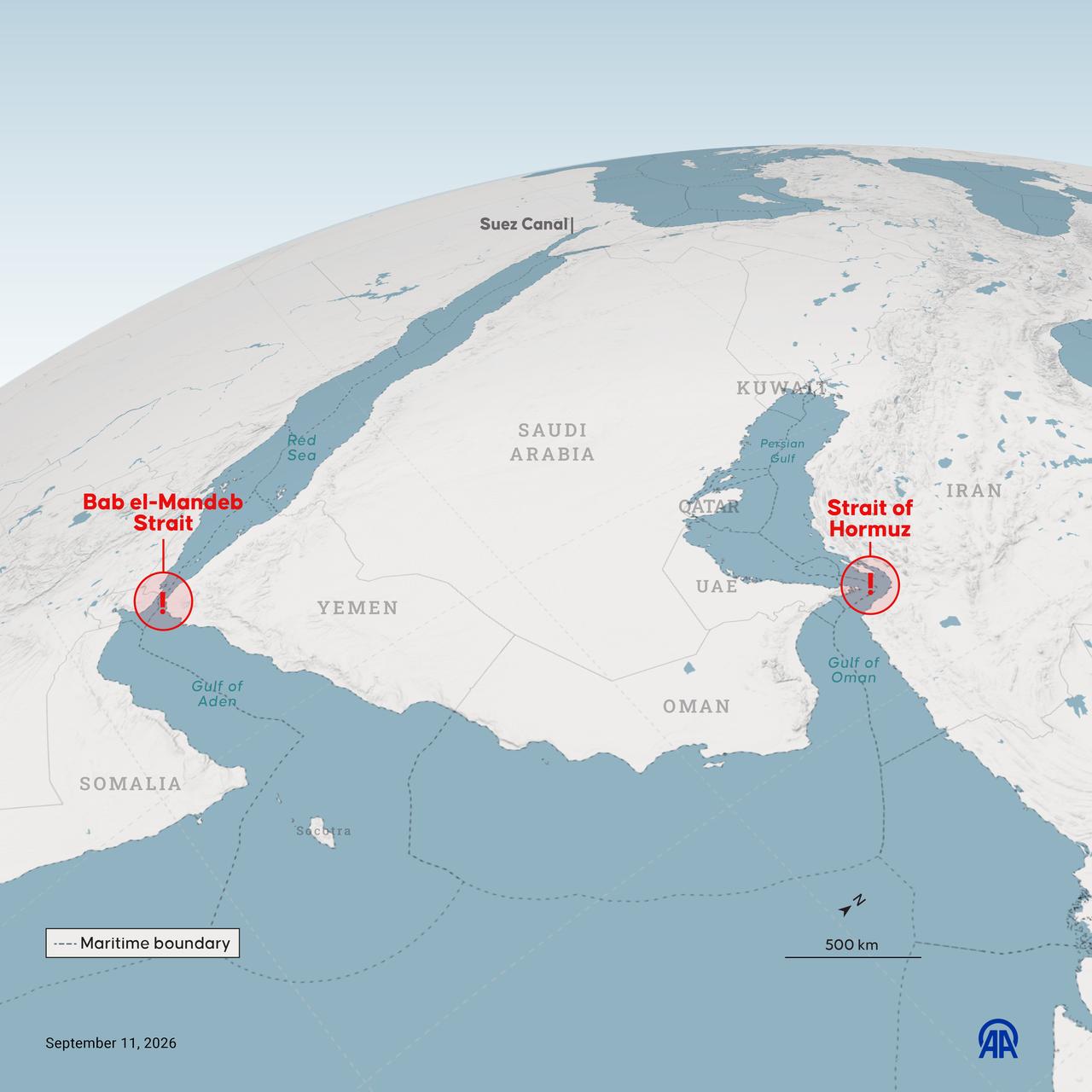

Saudi Arabia’s shutdown of the East-West pipeline has removed a key alternative to the Strait of Hormuz at a time when regional shipping risks are widening.
The 1,200-kilometer Petroline can carry up to 7 million barrels per day from the kingdom’s eastern fields to Yanbu on the Red Sea, with recent flows estimated at around 4 million to 5 million barrels per day, or roughly 4% to 5% of global oil supply.
How long the outage lasts is now central to the market, with Yanbu’s available stocks estimated to cover only around five to seven days of exports without the pipeline.
The supply squeeze is spreading beyond Hormuz. Houthi advances near the Bab el-Mandeb Strait are raising fresh concerns over another key oil shipping route, while tanker rates have climbed to record levels and bunker fuel supplies have tightened.
A planned meeting between Iran and Gulf states on maritime security was also postponed, casting doubt on diplomatic efforts to ease disruptions.
Meanwhile, European gasoil margins have reached about $84 a barrel and U.S. diesel margins have moved above $110, as Ukrainian attacks on Russian refineries and Moscow’s diesel export restrictions add to the squeeze in refined products.
Higher energy costs are also feeding into the broader market outlook. Investors are bracing for potential interest-rate hikes in the U.S. and Japan this week as rising oil prices threaten to keep inflation elevated, while markets are also watching for Federal Reserve guidance on the path ahead.
At the same time, weakness in Asian technology shares is adding another layer of pressure after warnings from leading AI executives about the pace and risks of the industry weighed on related stocks.


 Set as preferred source
 Set as preferred source


 2 min read

 1 min read