Newsletters


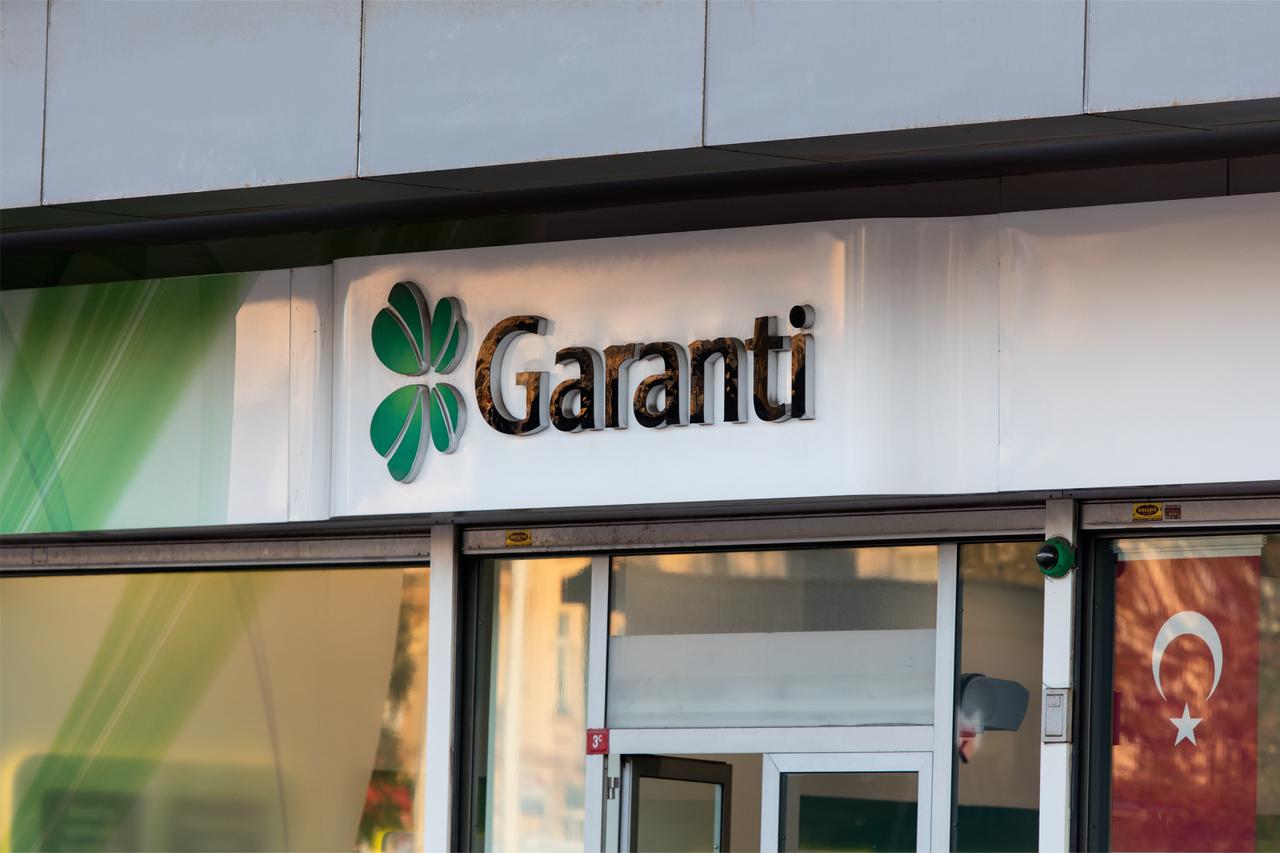


Garanti Bank, Türkiye’s second-largest private bank by assets, expects another difficult year for Turkish lenders in 2026, with growth likely to remain constrained as authorities keep most credit restrictions in place to rein in inflation, Chief Executive Mahmut Akten said, according to a Reuters report.
The cautious outlook from Garanti, which is 86% owned by Spain’s BBVA, suggests limited near-term relief for a banking sector strained by years of high inflation, currency weakness and strict regulatory measures.
The bank projects inflation to fall to 25% by the end of 2026, well above the official target, with the policy rate expected to reach 32%, Akfen added.
Turkish banks’ credit growth has lagged inflation in recent years, including at Garanti, which holds about ₺4.2 trillion ($100 billion) in assets. That trend reversed in 2025, which “somewhat reduced pressure on us,” Akten told Reuters, helped by the absence of limits on overdrafts, housing loans, and credit cards.
However, with annual inflation still elevated, Akten said he does not expect authorities to significantly roll back broader anti-inflation policies next year.
“If we are serious about bringing inflation down, I don’t expect these limits to be lifted,” Akten said in an interview at Garanti’s Istanbul headquarters. “Minor concessions might be made. That would be the right thing to do.”
Since mid-2023, tight monetary policy has squeezed banks’ net interest margins, while credit restrictions have increased funding costs and weighed on profitability and asset quality, despite strong capital and liquidity buffers.
Measures include a 2% monthly cap on consumer and vehicle loans, along with limits on small and medium-sized enterprise and commercial lending.


The Turkish Central Bank said last week that consumer inflation in November came in lower than expected, driven by a sharper-than-forecast decline in food prices. After an uptick in September, the underlying inflation trend eased slightly in October and November.
“Quarterly GDP growth turned out higher than projected in the third quarter,” the bank said, adding that leading indicators for the final quarter suggest demand conditions continue to support the disinflation process.
Türkiye’s annual inflation rate slowed to a four-year low of 31.07% in November, down from 32.87% in October and below market expectations.
Meanwhile, Finance Minister Mehmet Simsek said last week that annual inflation is likely to be in the 20% range by February, when January data are released.
“Even with some delay, inflation targets will at least be met at the upper end of the band. Disinflation will continue in 2026,” Simsek said at the fifth Future of Finance Summit in Istanbul.
He said inflation declined from about 64%–65% over the past three years to 44%, then to around 31% this year. While the official target range for next year is 13%–19%, Simsek said markets expect inflation in the 20s.
“Barring any additional shocks, we see the upper end of the target range as quite achievable,” he said.
From May 2023 to March 2025, the central bank raised its policy rate from 8.5% to 50%, holding it there until December 2024, when it cut rates by 250 basis points to 47.5%.
The bank then reduced rates at its December, January, and March meetings to 42.5% before a surprise 350-basis-point hike to 46% in April.
Rates were left unchanged in June, cut by 300 basis points to 43% in July, lowered by 250 basis points to 40.5% in August, then trimmed again by 100 basis points to 39.5% in October, and by a further 150 basis points to 38% in December.
BBVA applies inflation accounting to Garanti’s results, which reduces reported capital by the level of inflation.
As a result, Garanti currently contributes about 7% to 8% of BBVA’s earnings, compared with roughly 25% to 30% once normal reporting methods resume, Akten said.
Despite some easing in inflation and selective regulatory adjustments, Garanti’s leadership said restrictive policies are likely to remain largely intact in 2026 as authorities prioritize price stability over faster credit growth.


 Set as preferred source
 Set as preferred source


 1 min read
 1 min read