Newsletters


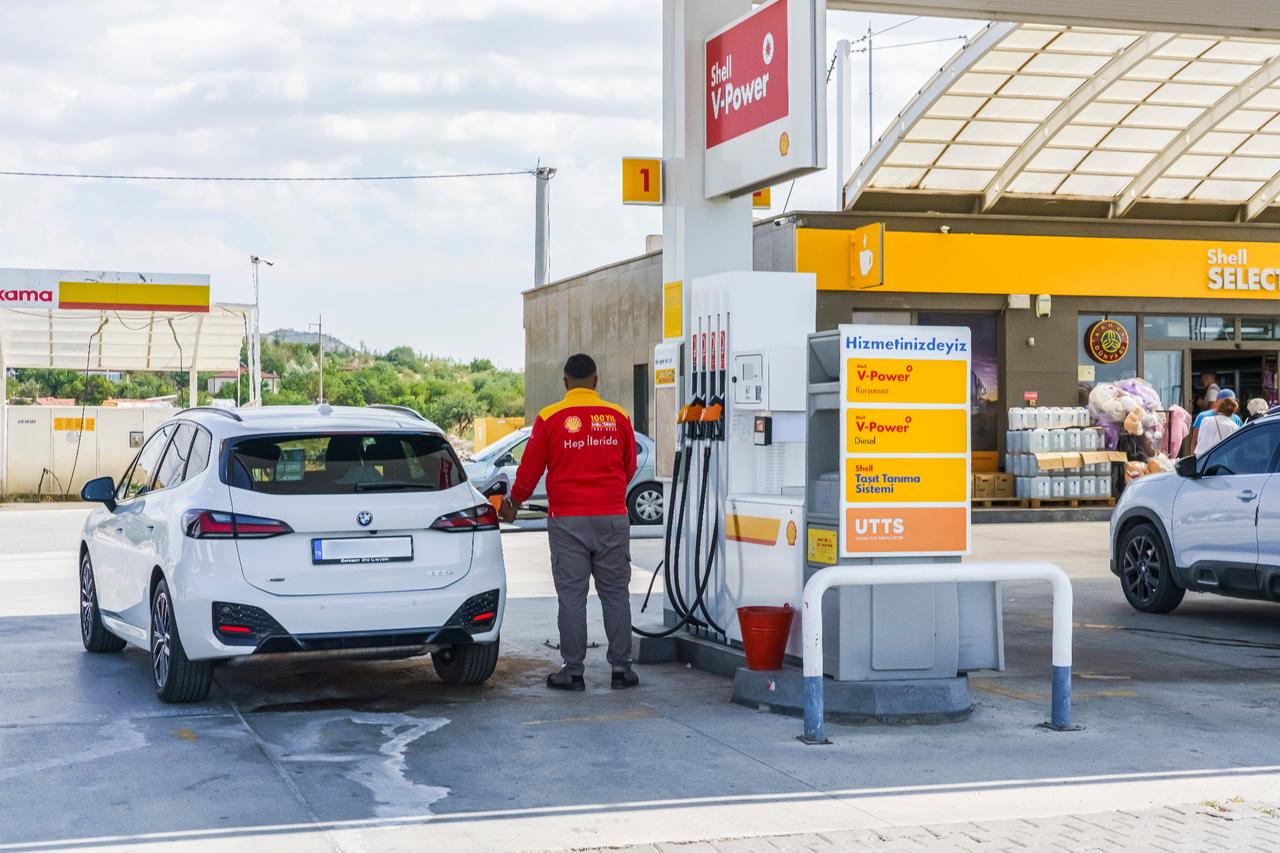


Türkiye braces for a sharp price adjustment starting Tuesday, April 7, as diesel is set to surge while gasoline increases remain partly capped by the fuel tax mechanism, Turkish media report.
Sector sources indicate a ₺7.67 ($0.17) increase in diesel prices, while gasoline is expected to rise by ₺2.29, Türkiye daily suggested.
The adjustment follows continued pressure from global oil prices, as the disruption in the Strait of Hormuz amid the Iran war keeps international benchmark Brent crude around $110 per barrel.
The full diesel price increase is expected to be reflected at the pump, passing directly to consumers due to the absence of any remaining Special Consumption Tax (SCT) cushion in this category, leaving no room for tax absorption.
Gasoline prices, meanwhile, are projected to rise more moderately. Around 75% of the ₺2.29 increase is expected to be absorbed by the sliding-scale system, with only the remaining 25%, equivalent to ₺0.57, likely to be reflected at the pump, limiting the immediate impact on consumers.
Thus, based on current calculations using Istanbul prices as of Monday, gasoline is projected to reach ₺63.02 ($1.41) per liter, while diesel is expected to climb to ₺85.14.
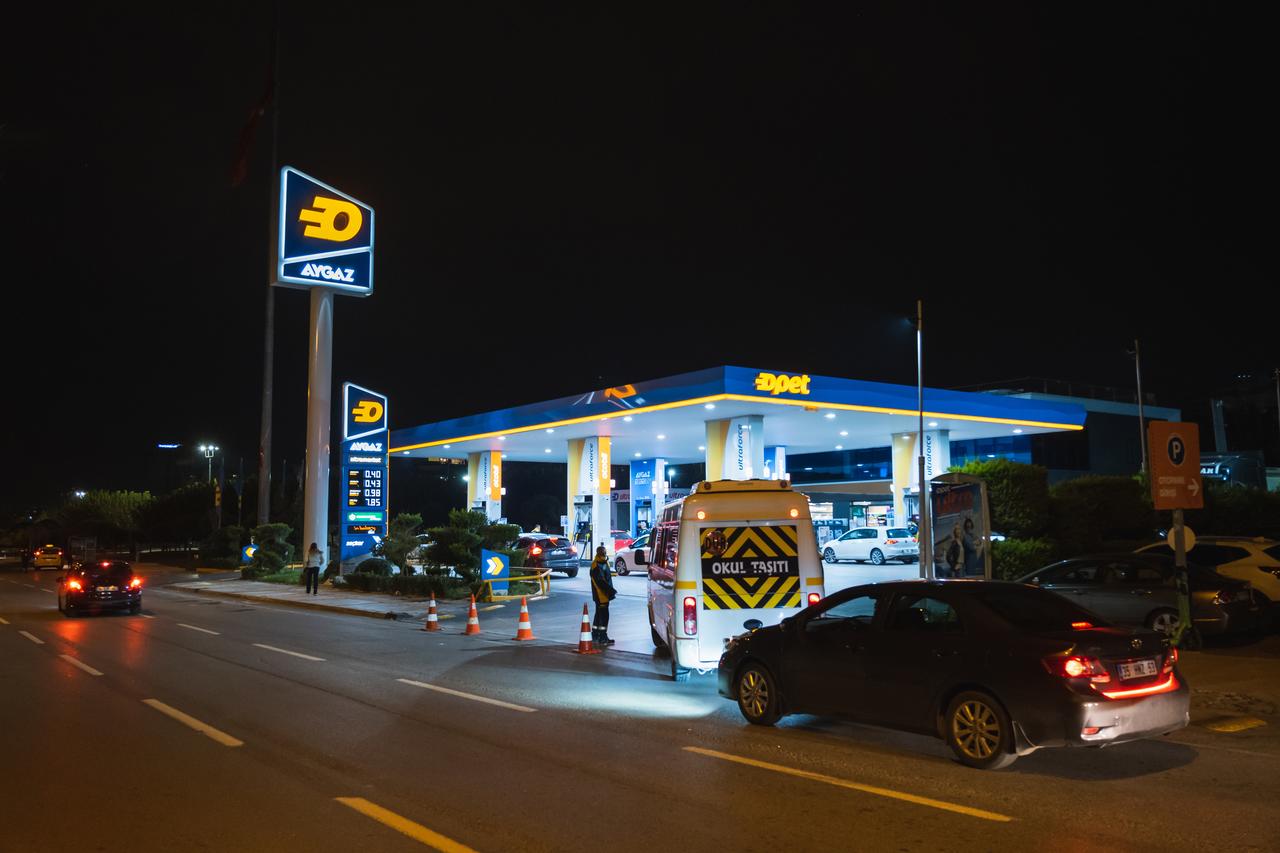

Fuel prices in Türkiye are formed through a layered system that combines global market inputs, exchange rates, and domestic taxation. At the core, refinery prices are based on international fuel product benchmarks, particularly CIF Mediterranean prices, and the dollar/Turkish lira exchange rate, both of which are tracked daily.
Once the refinery price is set, several components are added to reach the final pump price. These include the Special Consumption Tax (SCT), value-added tax (VAT), and distribution and dealer margins.
Although the market operates under a liberal pricing system, allowing distribution companies and retailers to set prices based on competition, taxes remain a major driver, often accounting for a significant share of the final cost.
To manage volatility that erupted after the effective closure of the Strait of Hormuz during the Iran war, Türkiye reintroduced a tax-adjustment mechanism that cushions price spikes by cutting the Special Consumption Tax (SCT) by up to 75% when global oil prices or exchange rates push fuel costs higher.


 Set as preferred source
 Set as preferred source


 1 min read

 1 min read