Newsletters


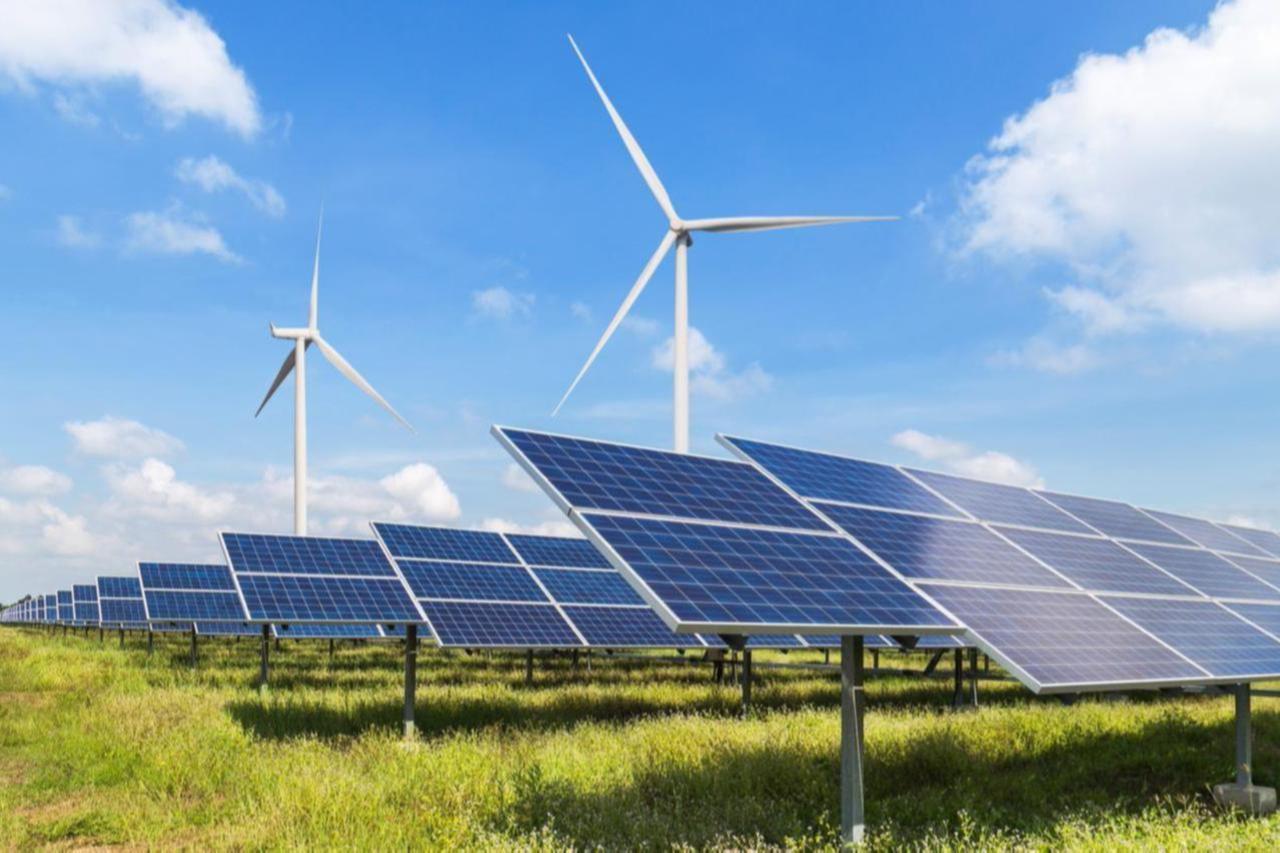


Global renewable energy capacity reached 5.15 terawatts at the end of last year after record installations, bringing the world close to half of the 11.17-terawatt clean energy capacity target set for 2030, according to international reports.
The 11.17-terawatt target was set for 2030 at the 28th Conference of the Parties to the United Nations Framework Convention on Climate Change, or COP28, held in Dubai.
The data was compiled from international reports for June 22, World Renewable Energy Day.
Solar energy led the expansion with 511 gigawatts of new installed capacity, followed by wind energy with 159 gigawatts.
Together, solar and wind accounted for 97% of renewable energy growth during the period.
The remaining growth came from sources including hydropower, bioenergy, and geothermal energy.
With record installations pushing total global renewable capacity to 5.15 terawatts by the end of last year, the world moved closer to reaching half of the 2030 target.
Renewable energy-based electrification stands out in international reports as one of the fastest, most scalable, and most cost-effective solutions.
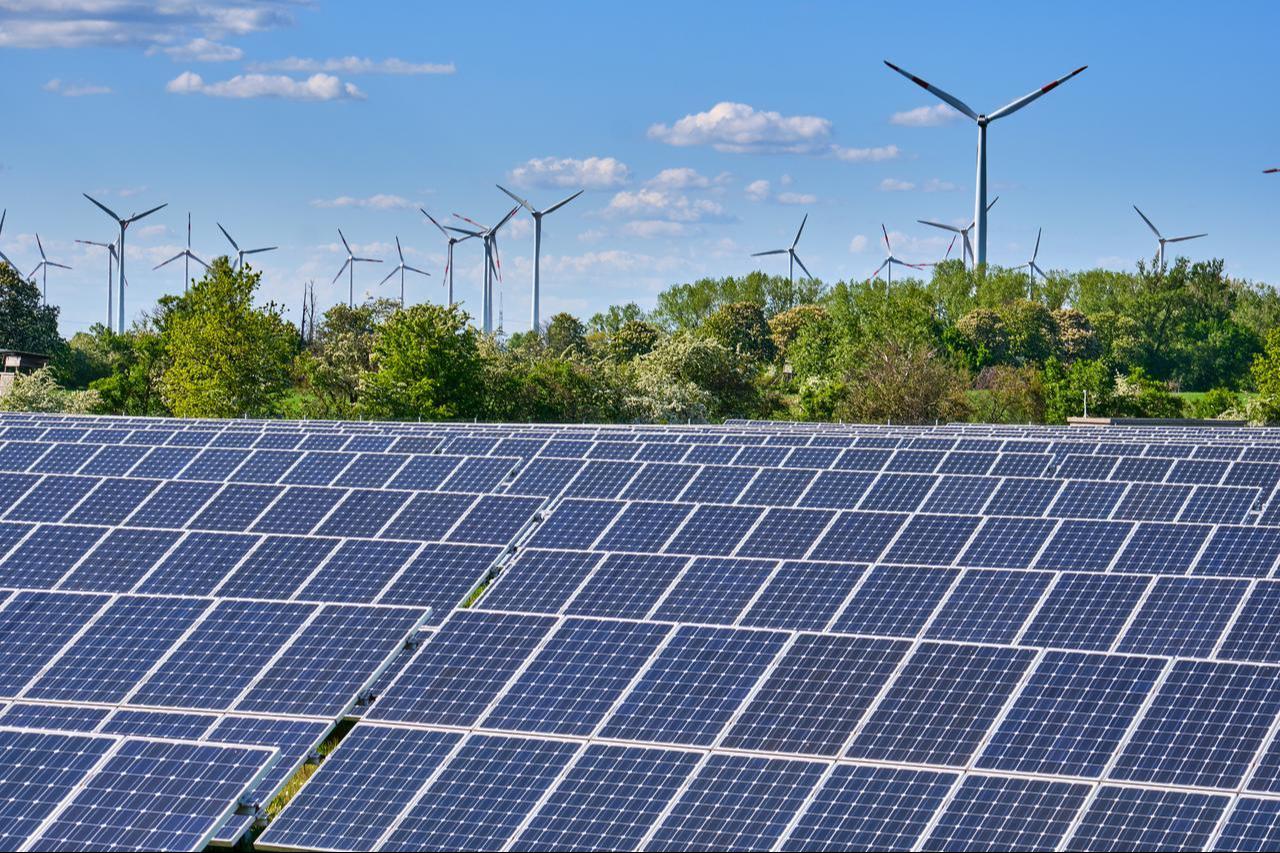

Energy demand is continuing to rise quickly in transport, industry, buildings and digitalization, increasing expectations that the energy transition will move further in favor of renewable resources.
The main reason renewable energy installations have accelerated in recent years has been the decline in costs, especially in solar and wind technologies, along with a sharp increase in installation speed.
Solar panels and wind turbines have become cheaper than new fossil fuel plants in many countries, shifting public and private sector investments toward these areas.
Energy security concerns have also helped accelerate renewable growth, especially after the natural gas crisis experienced in 2022.
Targets to reduce carbon emissions and large-scale production and installation capacity in major economies, especially China, also supported growth.
As a result, solar energy has become the fastest and cheapest source of added capacity and the main driver of total renewable energy growth.
Energy and Natural Resources Minister Alparslan Bayraktar said at the end of last year that Türkiye had entered a growth path in line with its 2035 renewable energy targets.
“2026 will be a new record year in renewables,” Bayraktar said.
As of June 18, Türkiye’s installed renewable energy capacity reached a total of 78,398 megawatts.
This includes 26,978 megawatts in solar power, 15,168 megawatts in wind power, 32,314 megawatts in hydroelectric power plants, 2,140 megawatts in bioenergy, and 1,798 megawatts in geothermal energy.
Türkiye aims to reach 120,000 megawatts of renewable installed capacity by 2035.
To reach this target, Türkiye needs to commission 8,000 to 9,000 megawatts of renewable energy-based installed capacity every year.


 Set as preferred source
 Set as preferred source


 1 min read
 1 min read