Newsletters





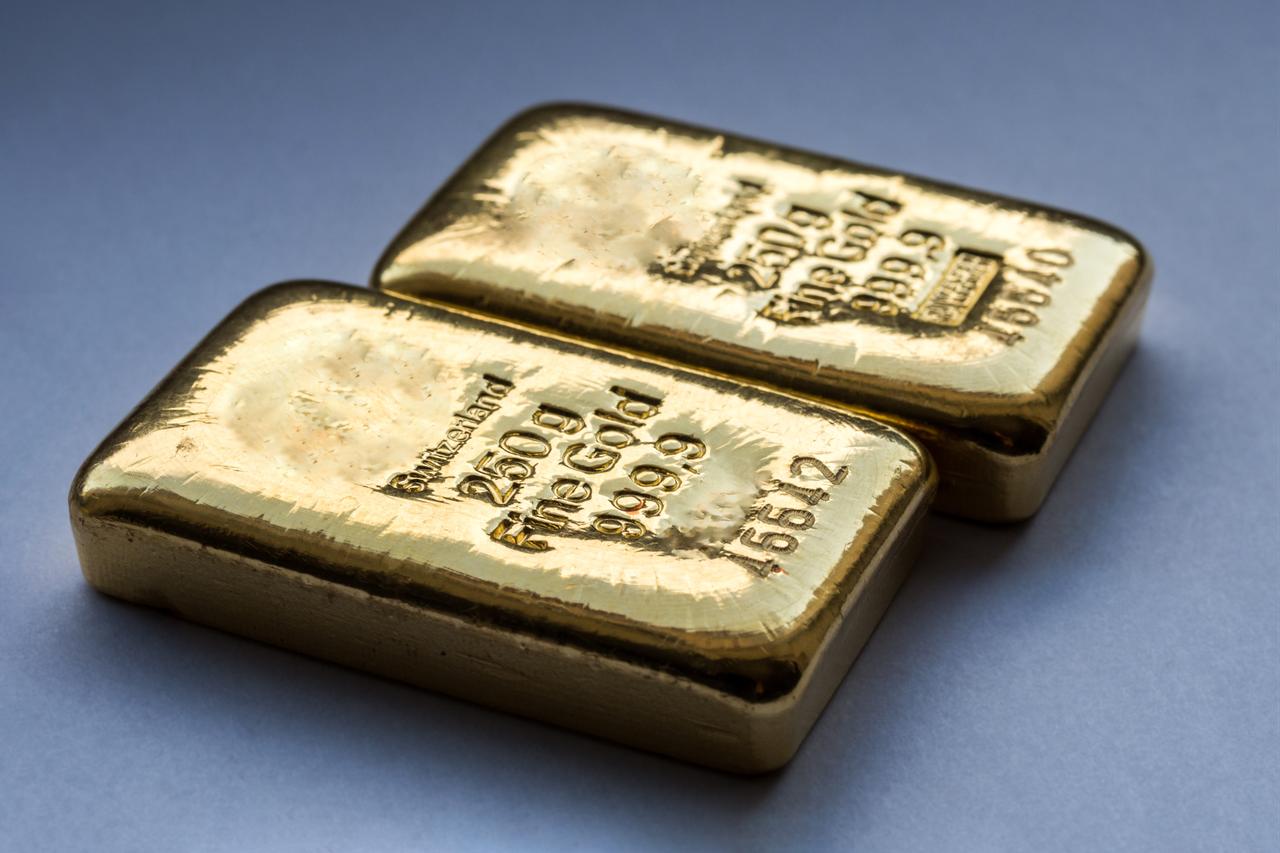
Gold prices soared to a new all-time high on Wednesday, climbing 2% to reach $5,311.68 per ounce, as the U.S. dollar weakened to its lowest level in nearly four years. Investors turned to safe-haven assets ahead of the U.S. Federal Reserve's upcoming policy decision and amid ongoing geopolitical tensions.
The yellow metal crossed the $5,300 level for the first time, extending a 2026 rally of over 20% after gaining more than 60% last year.
Other precious metals mirrored gold’s advance. Silver rose nearly 2% to an intraday high of $116.11 per ounce, palladium climbed over 2.5% to $1,994.91, and platinum gained 1% to reach $2,717.59.
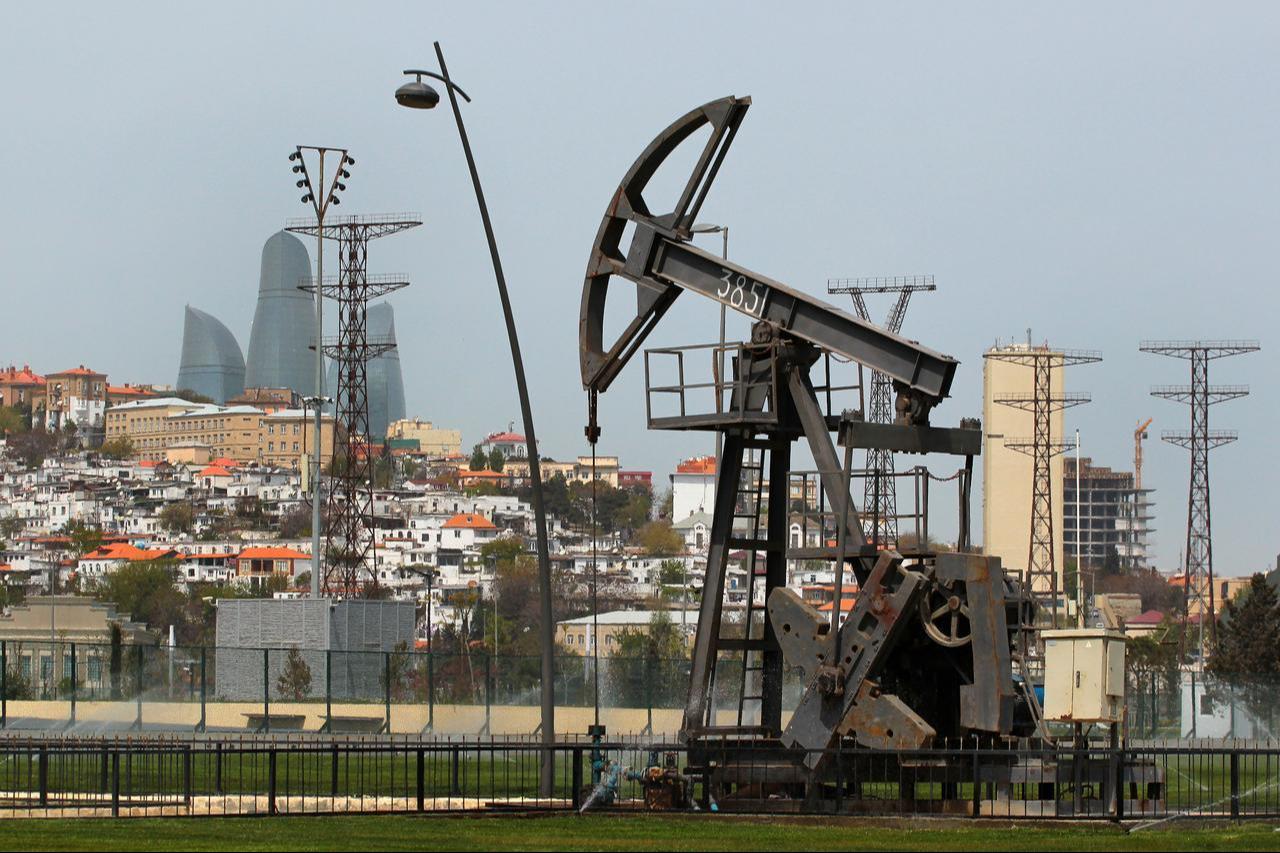
Oil markets also moved higher on Wednesday. Brent crude rose 0.8% to $67.12 a barrel, while U.S. West Texas Intermediate (WTI) gained 1% to trade at $63 per barrel.
Supply disruptions caused by a winter storm that impacted U.S. crude output and export capacity contributed to the price increase, along with renewed tensions in the Middle East over the Iran crisis, which supported risk premiums.

The U.S. dollar index fell to around 96, a level last seen in 2021, contributing to a sharp rise in precious metals. The decline accelerated after President Donald Trump responded to a question about the currency's weakness by calling the dollar's value "great."
A weaker dollar typically boosts demand for dollar-denominated commodities like gold, as they become cheaper for holders of other currencies.
Currency markets also reacted sharply to the dollar’s slide. The euro climbed above the $1.20 level for the first time since June 2021, closing Tuesday’s session with a 1.7% gain at $1.2081.
The Japanese yen also strengthened, with the dollar/yen exchange rate falling to around 152, returning to levels last seen in October.
The Fed policymakers are set to announce their benchmark interest rate decision on Wednesday, Jan. 28, with markets expecting them to hold steady at 3.5%–3.75%.


 Set as preferred source
 Set as preferred source


 1 min read
 1 min read