Newsletters





Goldman Sachs claimed the impact of Türkiye’s fund crisis on financial conditions and economic activity has been stronger than the Central Bank of the Republic of Türkiye, or TCMB, has assessed, while arguing that domestic demand has already passed its low point and underlying inflation has begun to rise.
In a Türkiye assessment dated Nov. 12 and seen by CNBC-e, Goldman Sachs described the messages in the TCMB’s final Inflation Report of the year as dovish and said it disagreed with the central bank’s view that the fund crisis had only a limited effect on financial conditions and economic activity.
The bank estimated that the crisis caused a 100-basis-point tightening in its quantity-based financial conditions index in September alone, returning the index to the tightest level of the current cycle recorded in 2024 before monetary easing began.
Goldman Sachs calculated that the tightening could reduce economic growth by 0.7 percentage points over the coming quarters.
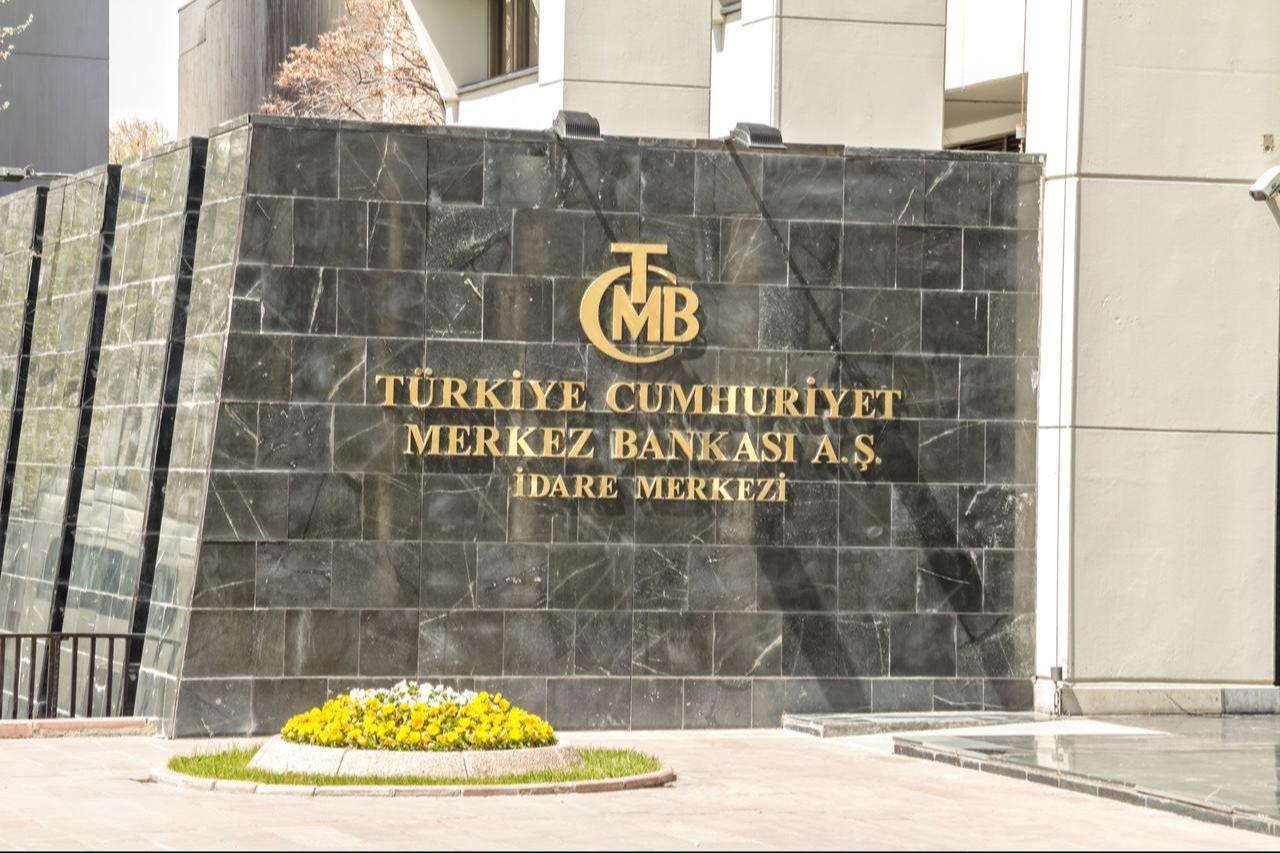

Goldman Sachs said TCMB Governor Fatih Karahan linked revisions to the central bank’s forecasts to the Iran war.
According to the report, Karahan said uncertainty over fiscal policy and the duration of the war had contributed to delaying changes to post-2026 forecasts in the previous Inflation Report period.
He said the latest updates reflected a broader reassessment rather than only a response to recent developments.
Goldman Sachs noted that Karahan said the forecast revisions did not represent an easing of monetary policy conditions, pointing to a marked slowdown in core inflation and domestic demand.
However, the bank said the greater emphasis placed by Karahan and Monetary Policy Committee members on those indicators increased the likelihood of further interest rate cuts in December.
Goldman Sachs said its base case remained for rates to stay unchanged.
The report also addressed Karahan’s comments on the possible effect of further rate cuts and a faster depreciation of the Turkish lira on dollarization.
According to Goldman Sachs, Karahan said foreign exchange demand was not determined solely by interest rates and that withholding tax also played a role.
He said improving inflation expectations and confidence in the TCMB had so far helped limit dollarization despite lower returns.
Goldman Sachs said the central bank could use macroprudential tools, including tax measures, to curb foreign exchange demand alongside further rate cuts.
The bank also assessed the TCMB’s recent easing of credit growth caps. It said the central bank presented the move as normalization in response to declining credit growth rather than as a reaction to growing concerns over economic activity.
Goldman Sachs said the TCMB devoted more attention to the current account in its latest report and described its assessment of the external balance as generally positive.
However, the bank noted that the report did not address reserve losses linked to the financial account or balance of payments, which Goldman Sachs said were more important for the sustainability of the program.
“We think domestic demand has passed its trough and underlying inflation has begun to rise,” Goldman Sachs said. “At the same time, we also see a larger impact from the fund crisis.”
Despite earlier macroprudential easing and the start of the rate-cutting cycle, credit growth has continued to slow, the bank said.
Goldman Sachs noted that the acceleration in credit growth seen after similar measures in previous periods had not occurred this time.
It interpreted the latest credit regulations as an attempt to halt the slowdown in lending and said authorities could remain focused on the issue in the coming months.
The bank added that the current picture suggested downside risks to inflation and growth could ultimately be more limited than indicated by its financial conditions index.


 Set as preferred source
 Set as preferred source


 1 min read

 1 min read