

 Newsletters


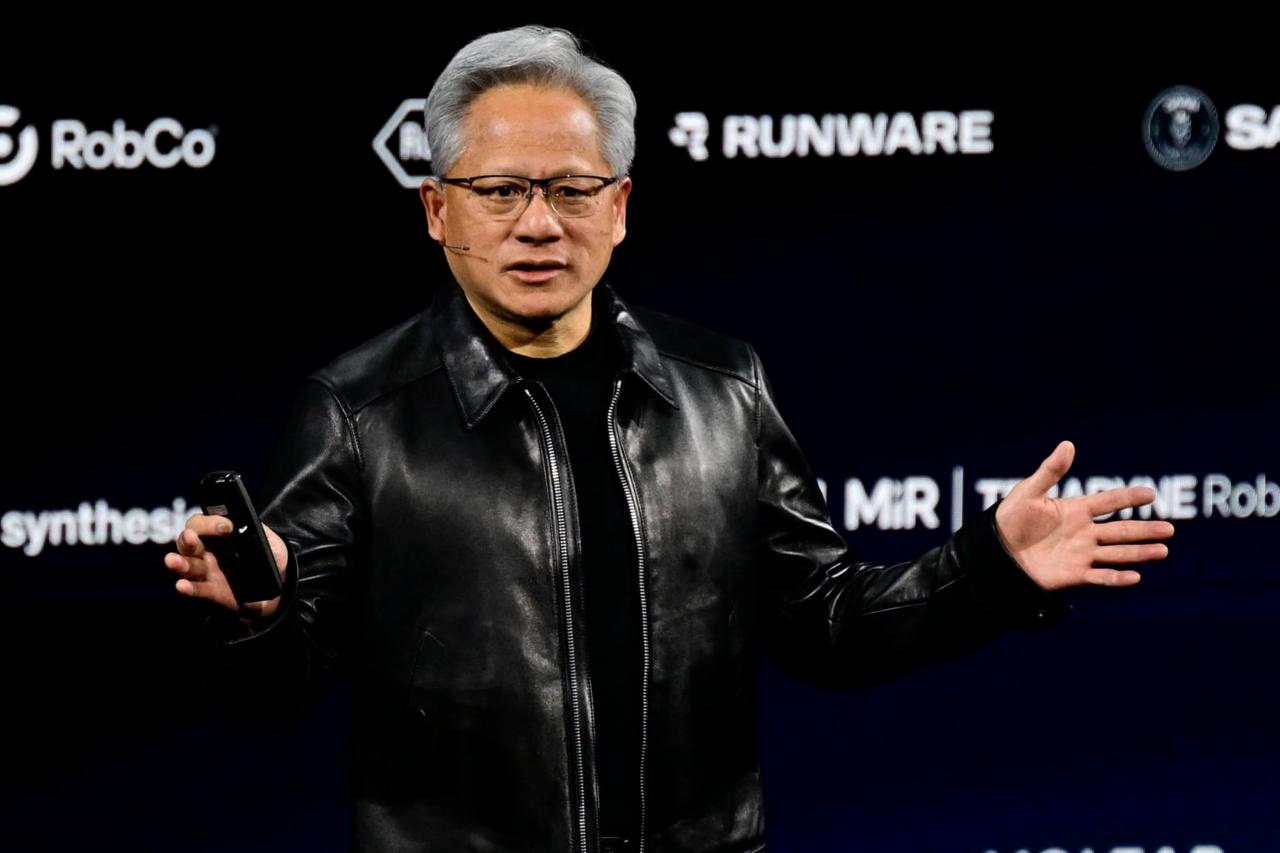


An affair, espionage allegations, and a dramatic resignation have revealed how much the AI industry relies on one chipmaker and its founder.
For 33 years, Jensen Huang shaped Nvidia into the beating heart of the global AI surge, rising to become a Silicon Valley titan with White House ties and a front-row seat in the U.S.-China tech rivalry.
Then came explosive reports linking him to a businesswoman eyed by U.S. officials as a possible Beijing spy. Huang confessed to infidelity, Nvidia launched a probe, and on Nov. 12, he stepped down.
The espionage claims remain unproven, but the episode exposes a far bigger question: What happens when the technology reshaping our world is so tightly bound to one company and one leader?
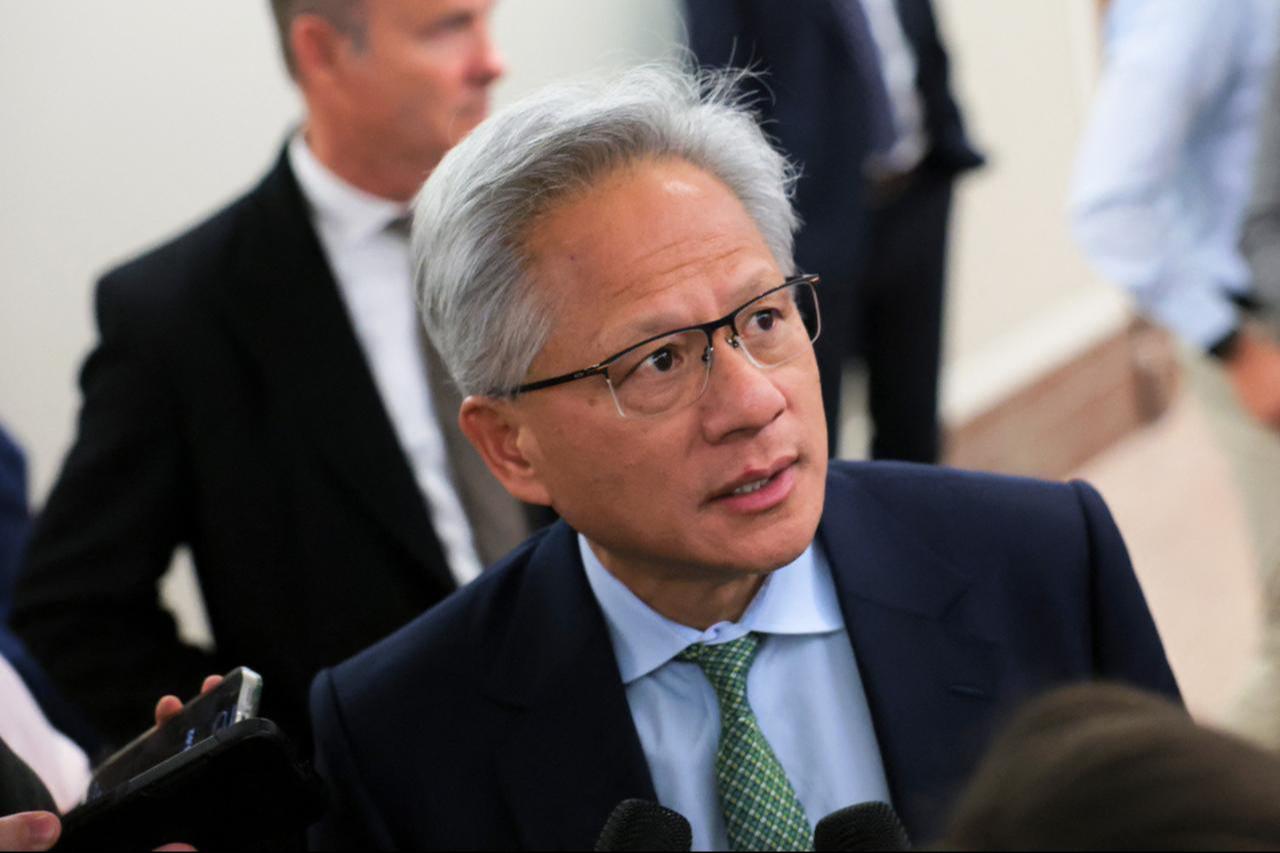

For rivals, the leadership shakeup cracks open a door, though it will not swing wide overnight.
AMD, Broadcom, and other tech heavyweights have spent years chipping away at Nvidia’s grip on advanced computing. Customers are eager to diversify, seeking security, better prices, and freedom from dependence on a single supplier.
Yet Nvidia’s real trump card is not just its chips. Its CUDA software forms the backbone for developers training and running AI models. Switching to rival hardware often means rewriting code, retraining teams, and accepting performance setbacks.
An OECD report shows that Nvidia holds a huge share of the AI GPU market. That dominance will not disappear just because Huang has left.
The real question is whether customers, unsettled by the exit of Nvidia’s longtime leader, will start hedging their bets elsewhere. If so, the competitive landscape could shift over years rather than weeks.
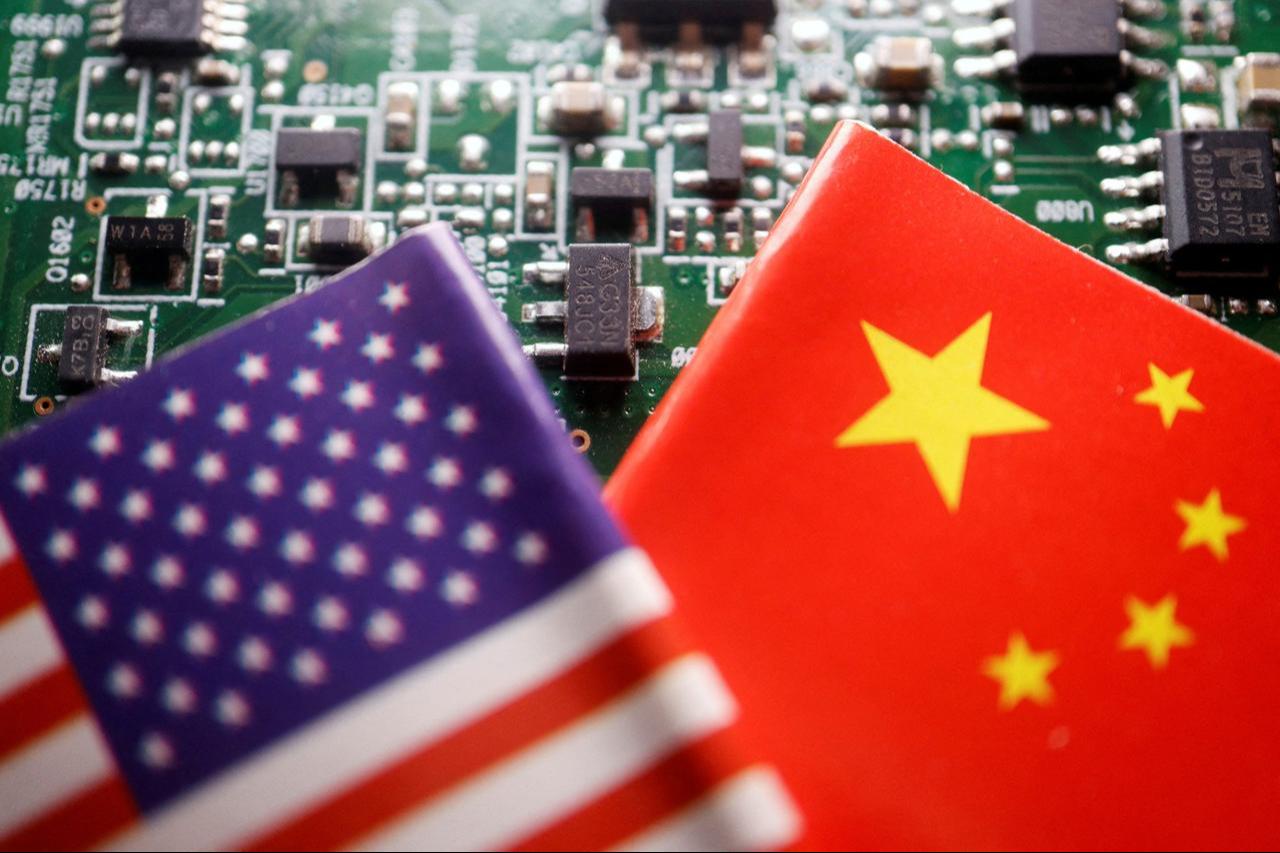
The shockwaves may hit Washington first, where Nvidia’s fortunes are tightly woven into national security policy.
Huang pushed for continued access to China's market, even as the U.S. limited exports of advanced AI processors. With him gone, the debate is missing a key voice, but U.S. policy will still be shaped by lawmakers and regulators, not just one executive.
The scandal has also highlighted a loophole in how computing power flows across borders.
U.S. restrictions can stop certain chips from being sent to China. However, Chinese companies can still rent processing power from data centers in other countries and use the technology remotely.
The chips may stay overseas, but their raw computing muscle is just a click away online.
Reuters reported that Chinese AI companies are looking for overseas computing capacity because they fear stricter U.S. rules. Congress has discussed laws to regulate this kind of remote access.
The espionage claims involving Alice Huang, who was once linked to Singapore-based Megaspeed International, have not been verified. Megaspeed says it did not illegally divert chips. These details are important: questions about personal relationships do not prove technology theft or export violations.
Still, if Washington tightens access to overseas data centers, the ripple effects could spread far beyond China, touching cloud providers and global customers alike.
 1 min read

For users of ChatGPT, Claude, and other AI services, Huang’s exit should not spark any immediate disruption. The processors hum along as usual, and Nvidia insists its product roadmap and promises remain steady.
It's harder to predict what might happen in the long run.
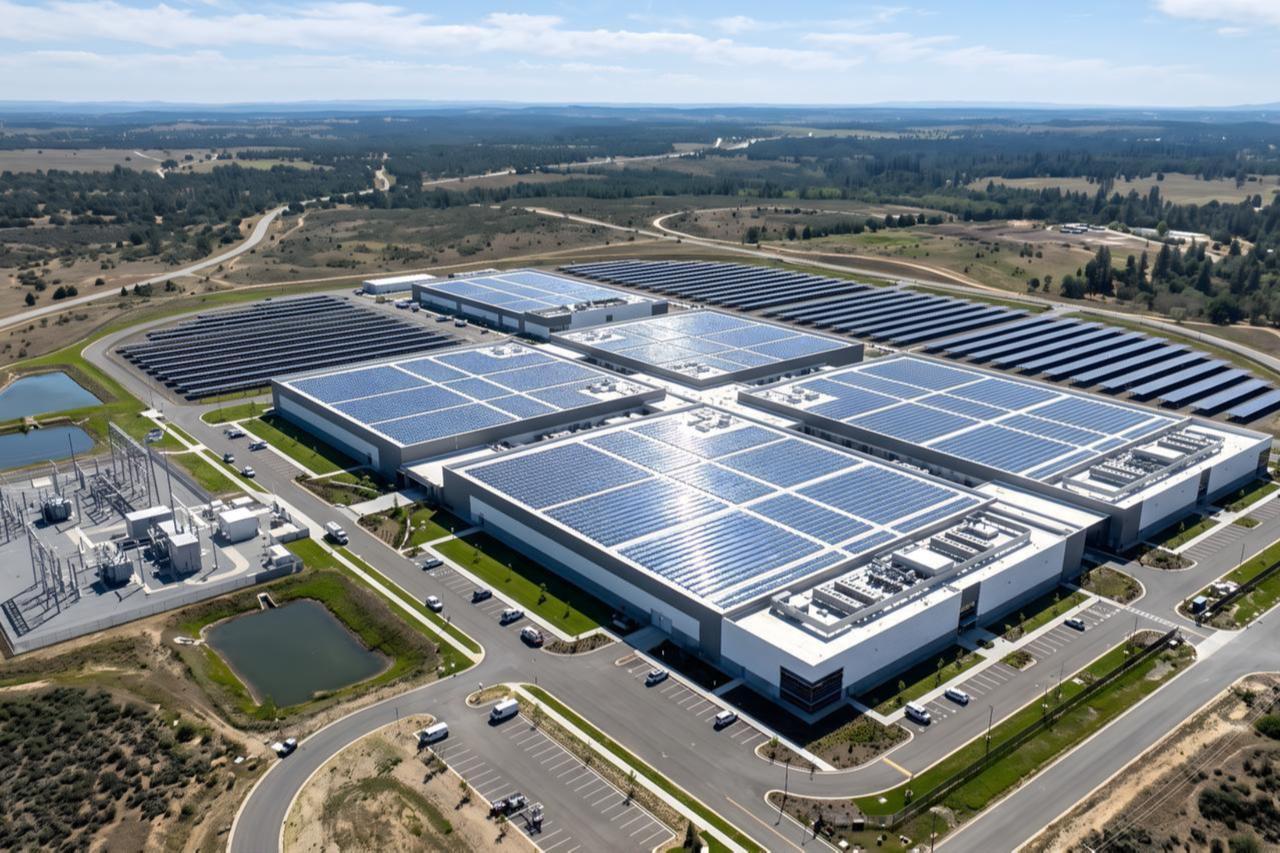
If investment dries up, the pace of new data center construction could falter. Tighter export controls might carve up access to AI computing by region. Yet fiercer competition could drive down costs and fortify the industry.
None of these futures is set in stone. What unfolds next will hinge on the decisions of Nvidia’s new CEO, rival chipmakers, AI customers, and policymakers.
Nvidia has tapped its veteran finance chief, Colette Kress, as interim CEO. Investors will scrutinize the next earnings and leadership moves, searching for signs the company can thrive without its founding visionary at the helm.
But the industry’s true test stretches far beyond Nvidia’s next quarterly report.
Huang spent three decades weaving his company’s processors into the fabric of the AI economy. His exit has not unraveled that system, but it has made its tight concentration impossible to ignore.
Now the question looms: will the industry seize this moment to build new alternatives, or continue to stake its future on a single supplier?


 Set as preferred source
 Set as preferred source





 1 min read


