Newsletters


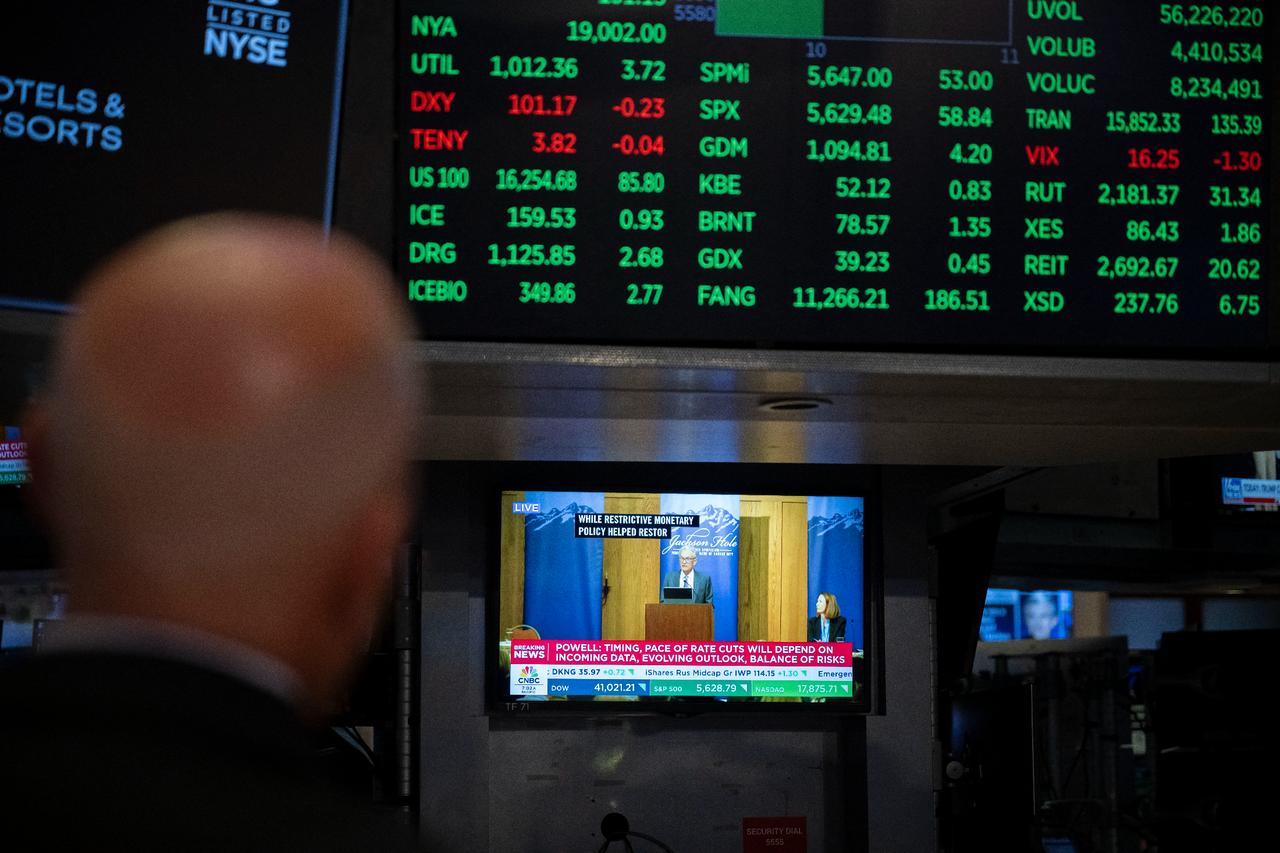


Rising expectations that the U.S. Federal Reserve could take more hawkish steps pressured precious metals last week, while hopes that the Strait of Hormuz could reopen pushed oil prices lower.
Shipment risks in the Black Sea and concerns over agricultural production supported agricultural commodities.
Developments in the Middle East continued to affect commodity prices throughout the week.
New U.S. economic sanctions against Iran, as well as reports that Washington was preparing to return diplomats evacuated from the region during the war to its embassies in the Middle East, helped geopolitical risks balance out to some extent.
Expectations that diplomatic contacts between the United States and Iran could resume also supported investor focus on positive developments.
U.S. Treasury Secretary Scott Bessent’s decision not to give a clear date for the “economic exclusion” operation he announced against Iran also contributed to that sentiment.


Macroeconomic data released in the United States and statements by Fed officials were also decisive in commodity pricing.
The personal consumption expenditures (PCE) price index, closely watched by the Fed as an inflation indicator, rose 0.2% month-on-month in July, exceeding market expectations.
The index increased 3.7% annually, while the annual rise in the core PCE price index, which excludes food and energy prices, stood at 3.3%.
Inflation remaining above the Fed’s 2% target strengthened expectations that the central bank could raise interest rates in the coming period.
Speaking for the first time as Fed chair at the Jackson Hole Economic Policy Symposium on the last trading day of the week, Kevin Warsh delivered messages prioritizing inflation and adopted a stance close to the hawkish wing of monetary policy.
Warsh said the Fed’s 2% inflation target is a fixed principle that cannot be loosened, adding that current financial conditions are not yet tight enough.
After Warsh’s remarks, money markets raised the probability of a 25-basis-point rate hike at the Fed’s September meeting from 35% to 60%.
Expectations also strengthened that an additional rate hike could come in December.
The yield on the U.S. two-year Treasury, one of the bonds most sensitive to the policy rate, rose by about 10 basis points Friday to 4.35%.
On a weekly basis, the U.S. 10-year Treasury yield remained flat at 4.72%, while the dollar index rose 0.9% to 99.7.
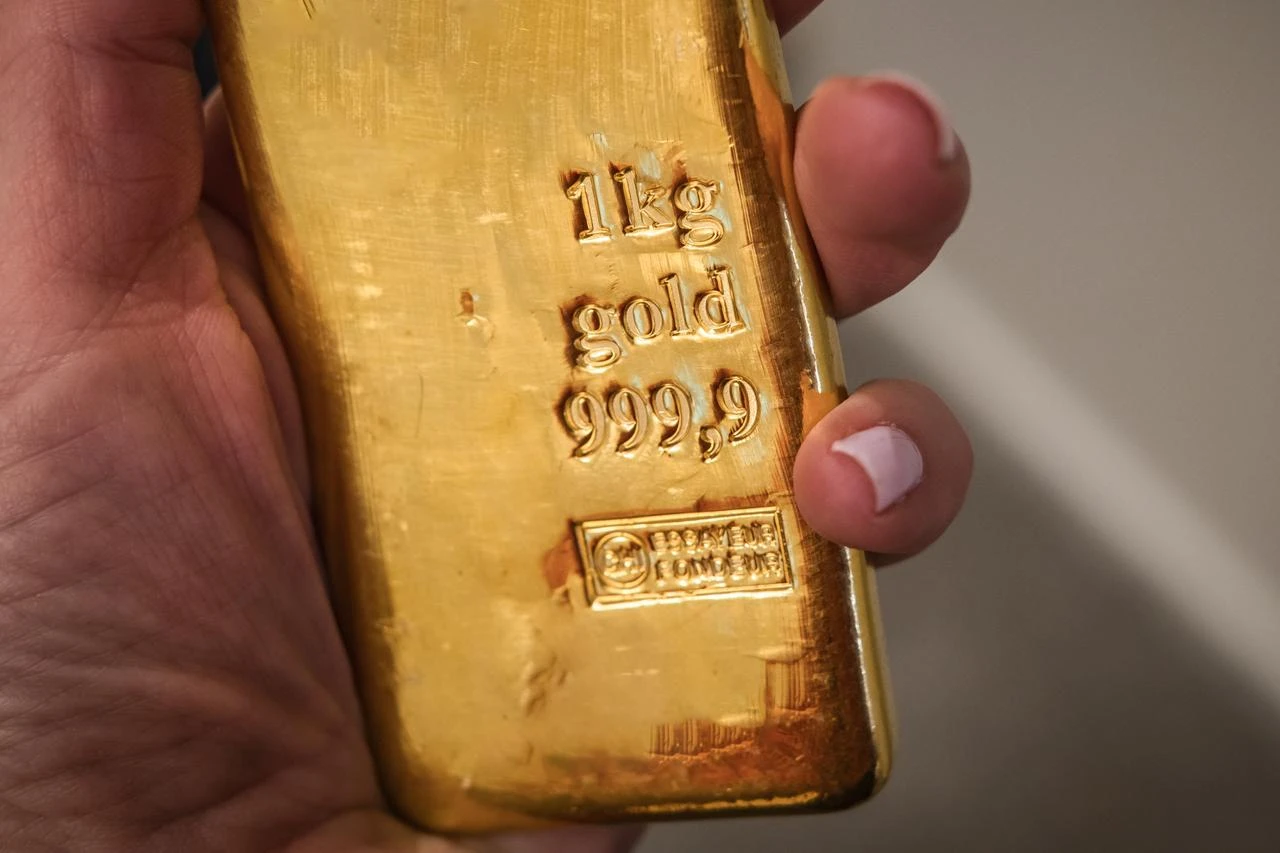
Precious metals followed a negative course last week, except for palladium, as gains in the first part of the week gave way to selling pressure after Warsh’s statements.
The ounce price of gold rose to $4,696.8 on Tuesday, its highest level since May 14.
The rise came as the impact continued from the U.S. Treasury’s decision announced the previous week to increase long-term bond buybacks, while the dollar weakened and technical purchases took place.
Continued demand for gold and other precious metal funds also supported the rise in the first part of the week.
Net inflows of $4.21 billion were recorded into these funds in the week ending Aug. 26, the highest level in about six months.
The data showed that investor demand for gold and other precious metal funds strengthened significantly during the week.
However, the U.S. PCE price index coming in above expectations limited gold’s upward momentum.
As Warsh’s message that additional steps may be needed to fight inflation strengthened rate hike expectations, short-term bond yields and the dollar index rose.
The stronger dollar and higher bond yields increased the opportunity cost of holding gold, pushing the ounce price lower after sharp selling on the final trading day of the week.
Although gold reached its highest level since May 14 early in the week, it ended the week lower and snapped a three-week rising streak.
On an ounce basis, palladium rose 5.3%, while silver fell 3.8%, gold declined 3.2%, and platinum lost 3%.
In base metals, uncertainty over possible U.S. copper tariffs, demand expectations from China and the changing supply outlook by metal led to mixed pricing.
Expectations that the United States could impose tariffs on refined copper imports starting in 2027 continue to direct the metal to U.S. warehouses and reduce available supply in other markets.
After withdrawal instructions were issued for 65,400 tons of copper in London Metal Exchange warehouses during the week, available stocks fell to about 90,000 tons.
In the over-the-counter market, prices rose on a pound basis by 1.2% in zinc, 0.3% in lead and 0.3% in aluminum.
Nickel declined 1.9%, while copper fell 0.5%.
In oil markets, ship passages through the Strait of Hormuz, diplomatic initiatives between the United States and Iran, and expectations regarding Fed monetary policy were effective in pricing.
Despite new U.S. economic sanctions against Iran, expectations that diplomatic contacts could resume reduced the geopolitical risk premium in oil prices.
Iranian Revolutionary Guard Corps spokesperson Brig. Gen. Hossein Mohibbi said talks with Oman on the Strait of Hormuz had led to agreement on some issues, including the countries’ shares of revenues to be obtained from the strait.
Mohibbi’s statement that the opening of the strait depended on the United States accepting Iran’s conditions strengthened expectations that ship passages through the Strait of Hormuz could increase.
U.S. President Donald Trump also argued that control of the Strait of Hormuz was completely in U.S. hands and said the war with Iran would end very soon.
Warsh’s remarks, leaving the door open to an interest rate hike, increased concerns over economic growth and energy demand, supporting the decline in oil prices.
In natural gas, forecasts that temperatures in the United States would remain above seasonal norms in the first part of September pushed prices higher.
Expectations that hot weather would increase the use of natural gas in electricity generation supported prices, while the amount of natural gas stored in the United States rose by 15 billion cubic feet in the week ending Aug. 21.
The increase remained below the five-year average of 33 billion cubic feet.
On a weekly basis, the price of natural gas in British thermal units rose 4.2%, while Brent crude fell 4.8%.
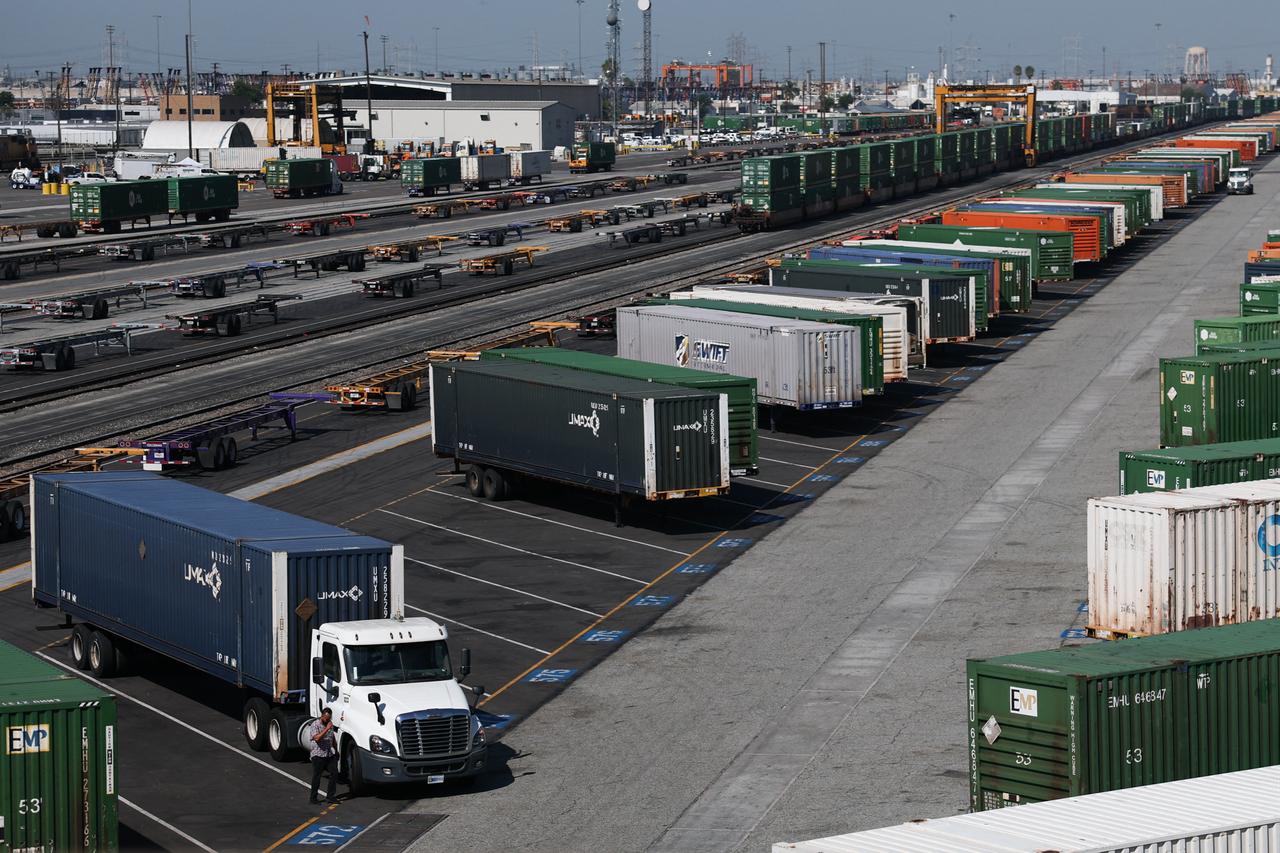
In agricultural commodities, shipment problems in the Black Sea, concerns over production and yield forecasts in the United States, and adverse weather conditions in China were effective in pricing.
Wheat prices rose as tensions between Russia and Ukraine disrupted grain shipments through the Black Sea.
The price per bushel of the December futures contract on the Chicago Mercantile Exchange reached 790.3 cents, its highest level since July 2023.
Attacks on grain-loaded ships, ports and logistics infrastructure increased concerns that exports from the region could be disrupted.
In corn and soybeans, concerns over the impact of hot weather and excessive rainfall in the United States on yields, along with strong export demand, supported prices.
Extreme heat and floods affecting China’s key corn and soybean-producing regions since mid-July increased concerns over crop quality and yields.
On the Chicago Mercantile Exchange, prices per bushel rose 12.1% in wheat, 5.5% in corn, 3.9% in soybeans and 2.5% in rice.
In cotton markets, concerns that hot and dry weather in the Xinjiang Uyghur Autonomous Region, which accounts for more than 90% of China’s production, could reduce yields were effective.
In coffee, expectations that supply reaching the market would increase as the harvest in Brazil progressed pressured prices.
However, the decline in Intercontinental Exchange-certified arabica stocks to their lowest levels since 1999 limited losses.
Sugar prices declined as the depreciation of the Brazilian real against the dollar strengthened expectations that producers in the country could increase exports.
Forecasts that European Union sugar production in the 2026-27 season could decline 19% annually limited the fall.
In cocoa, reports that difficult weather and insufficient field maintenance in Ivory Coast, the world’s largest producer, could delay the start of the 2026-27 main crop season by eight to 10 weeks supported prices.
Insufficient sunlight in Ivory Coast and Ghana, lowering crop quality and increasing disease risk, also strengthened supply concerns.
On the Intercontinental Exchange in the United States, cotton rose 3.5% on a pound basis, while coffee declined 3.1% and sugar fell 0.3%.
The price of cocoa per ton ended the week with a 10% increase.


 Set as preferred source
 Set as preferred source


 2 min read

 1 min read