Newsletters


The Iran conflict spreading across the Gulf is exposing weaknesses in the global semiconductor supply chain, leaving major chip hubs such as Taiwan and South Korea particularly vulnerable to disruptions in energy transport and critical industrial gases, according to the analyses.
Advanced technologies such as artificial intelligence chips ultimately depend on stable energy supplies, much of which moves through the Strait of Hormuz, a narrow shipping corridor that carries a large share of the world’s oil and liquefied natural gas (LNG) shipments.
Beyond energy risks, key chemical inputs used in semiconductor manufacturing are also under strain after Qatar, a major supplier, halted production of downstream gases at its facilities following an Iranian drone attack last week.
Disruptions along this route could affect the electricity generation systems that support semiconductor manufacturing, one of the most energy-intensive industrial activities, the U.S. investment bank Morgan Stanley assessed.
In Taiwan, which hosts a large share of the world’s leading-edge semiconductor production, Taiwan Semiconductor Manufacturing Company, a leading supplier of advanced chips for artificial intelligence and high-performance computing, accounts for roughly 9%–10% of the country’s total electricity consumption, the bank highlighted.
As Taiwan generates a significant portion of its electricity from imported LNG and holds reserves covering roughly one and a half weeks of consumption, disruptions to energy shipping lanes could raise electricity costs and affect the economics of semiconductor production even if immediate shortages are avoided, it cautioned.
The company’s shares on the Taipei Stock Exchange lost over 5%, while the broader TAIEX index also fell by about the same amount compared with levels before the conflict began.
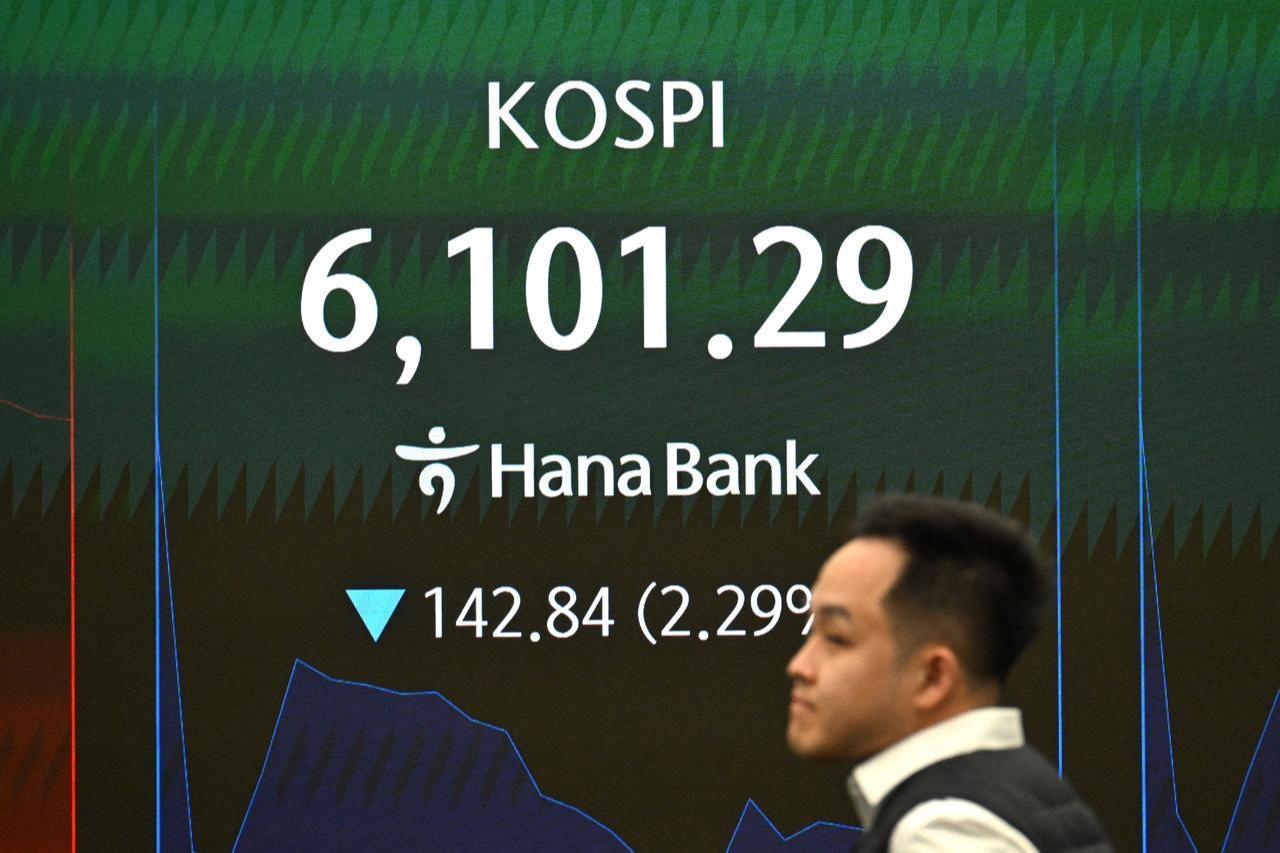
Other major Asian chipmaking hubs, South Korea and Japan, are also under pressure as they rely heavily on oil and gas supply from the region, with their tech-heavy benchmark indexes, Kospi and Nikkei 225, falling about 12% and 8.6%, respectively.

Critical chemical downstream goods are also emerging as potential pressure points for the semiconductor industry, the bank noted. More than 90% of global sulfur supply is produced as a byproduct of oil refining. The material is used to produce sulfuric acid, a key chemical widely used in semiconductor manufacturing for cleaning and etching processes across multiple stages of chip fabrication.
Any disruption to refining activity tied to shipping constraints or energy market shocks could therefore affect sulfur availability and the production of sulfuric acid used throughout the semiconductor industry.
The bank recalled that during previous periods of sharp oil price increases, semiconductor stocks declined by roughly 30% before reaching a turning point, stressing that rising energy costs tend to weigh on technology markets.


 Set as preferred source
 Set as preferred source


 2 min read
 1 min read