Newsletters


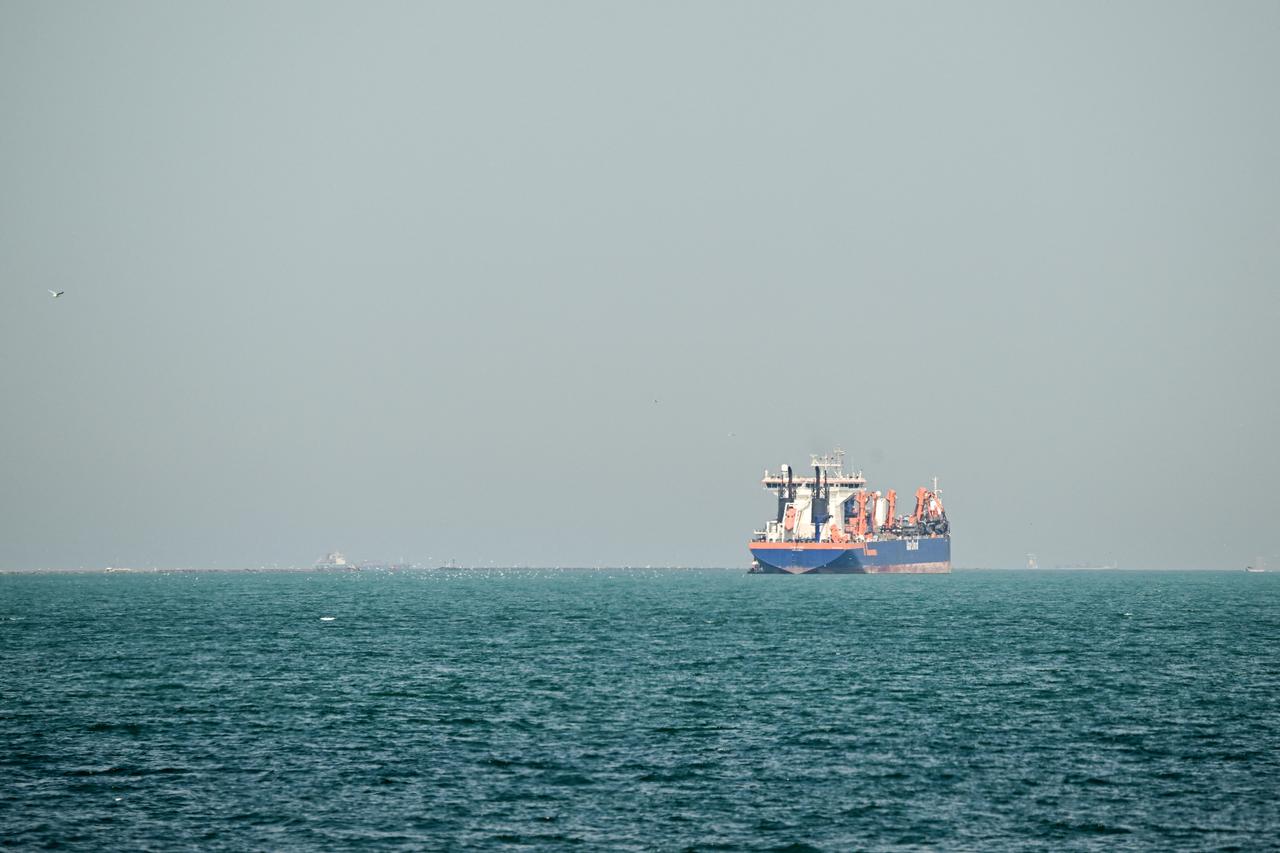


Oil markets jolted on Wednesday after an Iranian military spokesperson threatened to target tanker shipments linked to the United States and Israel and declared crude could surge to $200 per barrel, eclipsing G7 moves to release strategic reserves to steady global supply.
Ebrahim Zolfaqari, spokesperson for Tehran’s Khatam al-Anbiya military command headquarters, said Iran would move beyond limited retaliatory attacks and carry out continuous strikes against its adversaries.
"We won't allow even one litre of oil to reach the U.S., Zionists (Israel) and their partners. Any vessel or tanker bound to them will be a legitimate target," Zolfaqari said. "Get ready for the oil barrel to be at $200 because the oil price depends on the regional security which you have destabilised."
As of 1:50 p.m. GMT, Brent crude rose to $87.75 per barrel, while WTI traded at $86.8 per barrel, defying earlier optimism over the International Energy Agency’s reported plan to release strategic oil reserves in coordination with the Group of Seven.
The Iran conflict has already swung markets since it began on Feb. 28 with U.S.-Israeli joint strikes on Iran, while global energy prices surged as shipping traffic through the Strait of Hormuz— which carries about one-fifth of the world’s oil supply — neared a halt.
Testing the highest level since 2022 in the state session of the week nearing to $120 per barrel, oil prices were subdued after U.S. President Donald Trump's statements that asserted the war may end soon and the security of the strait would be ensured by the U.S. Navy.


Japan and Germany announced Wednesday that they would release oil from their strategic reserves. Berlin said the International Energy Agency (IEA) had asked member countries to free up a total of 400 million barrels to help calm markets.
Japan’s Prime Minister Sanae Takaichi said Tokyo would start releasing reserves as early as Monday. Germany’s Economy and Energy Minister Katherina Reiche confirmed that Berlin would also participate in the release, saying the country would comply with the IEA request.
French Finance Minister Roland Lescure said announcements on strategic reserve releases formed part of a coordinated strategy among energy-consuming nations.
According to officials cited by the Wall Street Journal, the IEA is considering the largest emergency stock release in its history to counter the spike in crude prices. The proposed move would exceed the 182 million barrels released by member countries in 2022 after Russia’s invasion of Ukraine.
The 32 IEA member states currently hold more than 1.2 billion barrels in government-controlled emergency reserves, with an additional 600 million barrels held by industry under national stockpiling requirements.


 Set as preferred source
 Set as preferred source


 2 min read
 1 min read