Newsletters


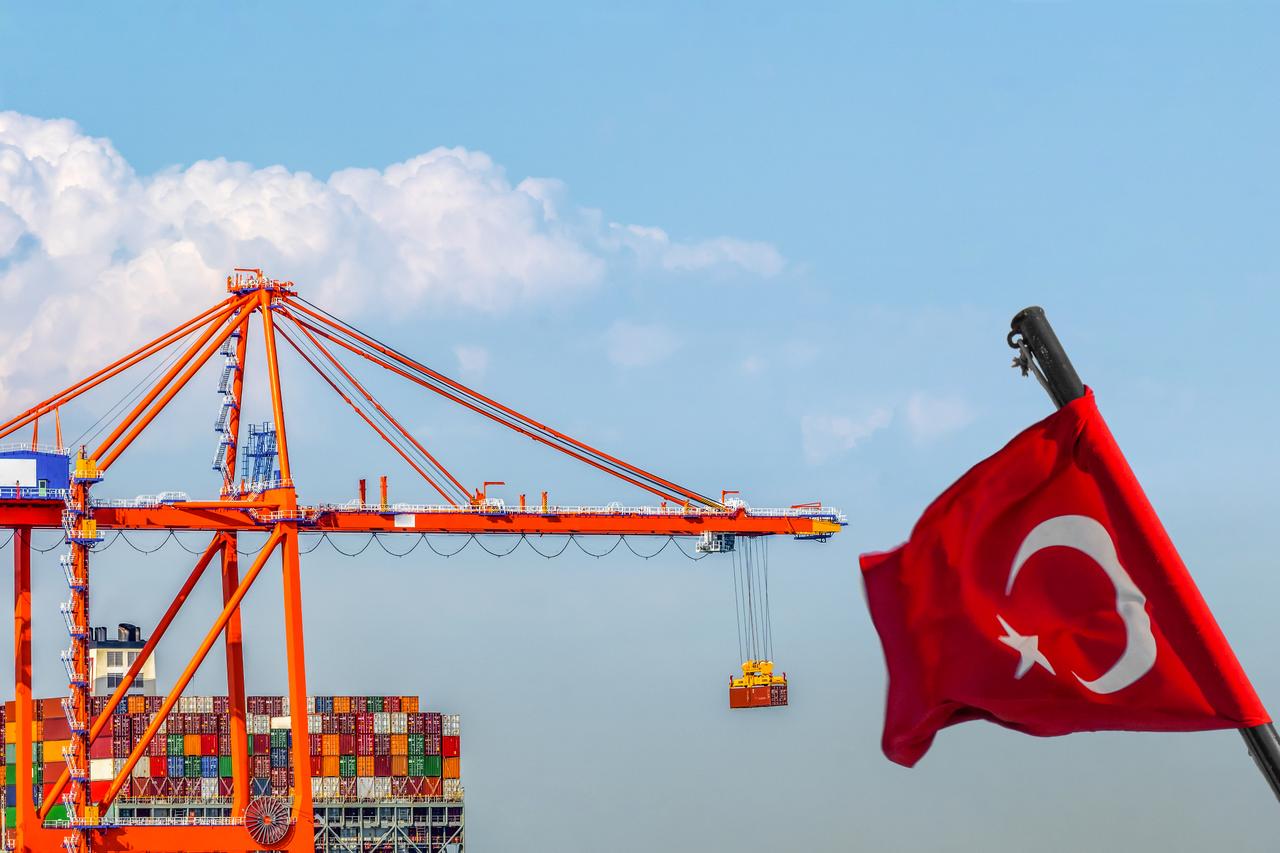


Türkiye’s exports to Gulf countries fell by an average of 40% in the first 13 days following the outbreak of the Iran conflict on Feb. 28, as disrupted transport routes and surging costs slowed trade activity, a sector head reported.
Mustafa Gultepe, chief of the Turkish Exporters Assembly (TIM), said the initial expectation of a short-lived conflict had shifted, with early indicators pointing to a longer disruption affecting both regional and global trade.
The decline has been most visible in chemicals, food, defense-related goods, and ready-to-wear clothing with retail networks in the region. These sectors rely heavily on stable supply chains and regular distribution routes, which have been disrupted since the escalation began, Gultepe highlighted.
Gultepe said Türkiye’s export structure provides some short-term resilience, as 45% to 50% of shipments are directed to European markets, where economic activity continues without major disruption. He noted that the United States remains operational despite involvement in the conflict, and that Türkiye has been working to expand trade ties with African markets to offset losses in the Gulf.
However, he warned that prolonged instability could begin to affect Europe as well. "If the conflict lasts another one and a half to two months, it will start to impact the European market too," he said.
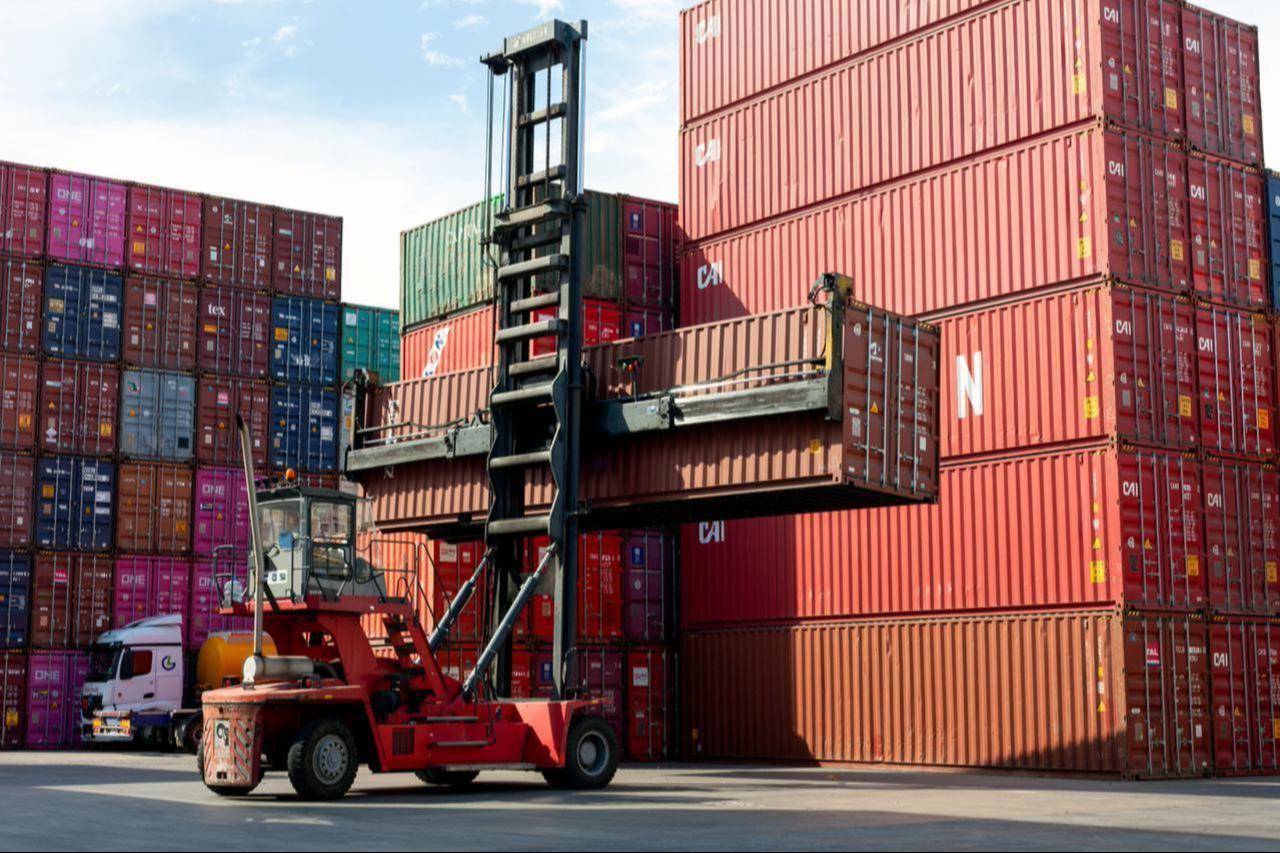

Official data shows Türkiye exported $30.1 billion worth of goods in 2025 to eight countries affected by the conflict: the United Arab Emirates, Iran, Bahrain, Saudi Arabia, Iraq, Oman, Qatar, and Kuwait. Iraq ranked as the largest market with $12.3 billion in shipments, followed by the UAE at $9.2 billion and Saudi Arabia at $3.8 billion.
Exports to Iran, which came under thousands of U.S. and Israeli airstrikes, stood at $3 billion.
According to Gultepe, a longer conflict could weaken global production and consumption patterns, with demand shifting toward essential goods. Such a shift would likely weigh on sectors such as tourism and services, alongside trade.
He also pointed to continued upward pressure on logistics and energy costs as a key risk factor if the situation persists, adding that economic indicators would need improvement.


 Set as preferred source
 Set as preferred source


 1 min read
 1 min read