Newsletters


As artificial intelligence and robotics technology advance rapidly, numerous robot manufacturers are shifting this year from prototypes to mass production and commercial deployment.
2026 has become the year in which humanoid robots began moving out of laboratories and into real work environments, marking a shift from demonstrating what robots can do to proving what they can actually accomplish, according to industry data.
Around 13,000 humanoid robots were shipped to companies worldwide last year. Goldman Sachs data projects that figure to reach between 50,000 and 100,000 in 2026.
Humanoid robots are being deployed across a wide range of settings, including airports, automotive factories and logistics warehouses.
The period between 2028 and 2030 is expected to see humanoid robots become part of daily life, according to industry assessments.
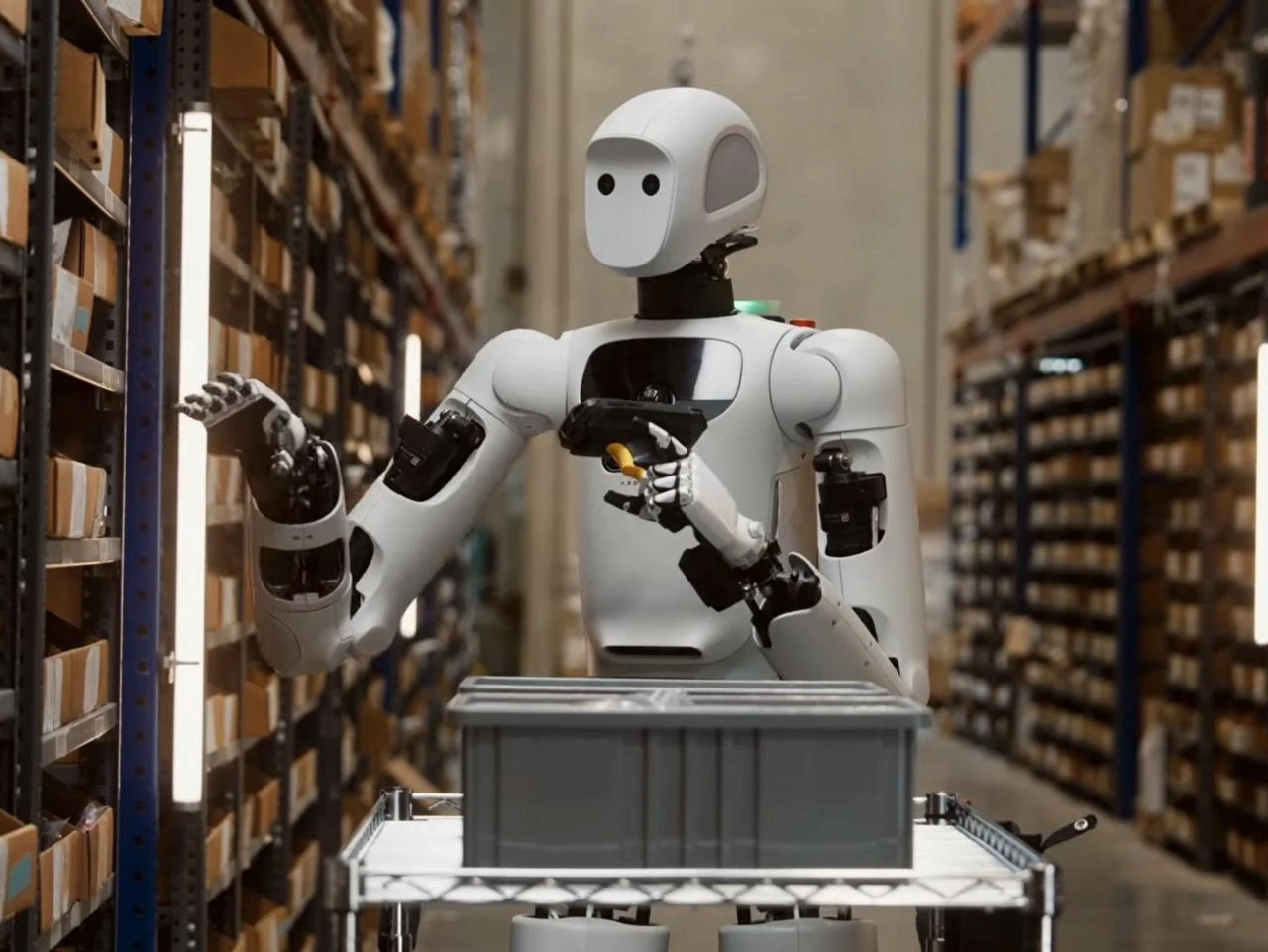

Among the companies working in humanoid robot technology, Texas-based Apptronik opened Robot Park in late June, a facility spanning more than 8,000 square meters described as a 'robot school,' where hundreds of humanoid robots are trained.
The company was founded by two academics from the University of Texas, who have advised NASA on humanoid robot projects, along with an entrepreneur.
Apptronik introduced Apollo 1 in 2023 and unveiled Apollo 2 in June, after training the model since February 2025. At Robot Park, hundreds of robots undergo development around the clock, learning skills they will use in real-world settings.
Hundreds of Apollo 2 units repeatedly perform tasks they will encounter at customer sites. Designed for logistics, manufacturing, retail and other industrial environments, the tasks include loading boxes onto conveyor belts, sorting toys and vehicles into bins, stocking shelves, packaging goods, moving pallets, scanning inventory and opening doors.
The robots also practice walking on uneven surfaces, grasping and releasing objects, and moving through spaces designed for humans.
The facility operates Apollo 2 in two configurations simultaneously: a wheeled version, compliant with existing industrial mobile robot safety standards, used for high-efficiency operations, and a bipedal version used to improve walking performance and reliability in complex, human-designed spaces.
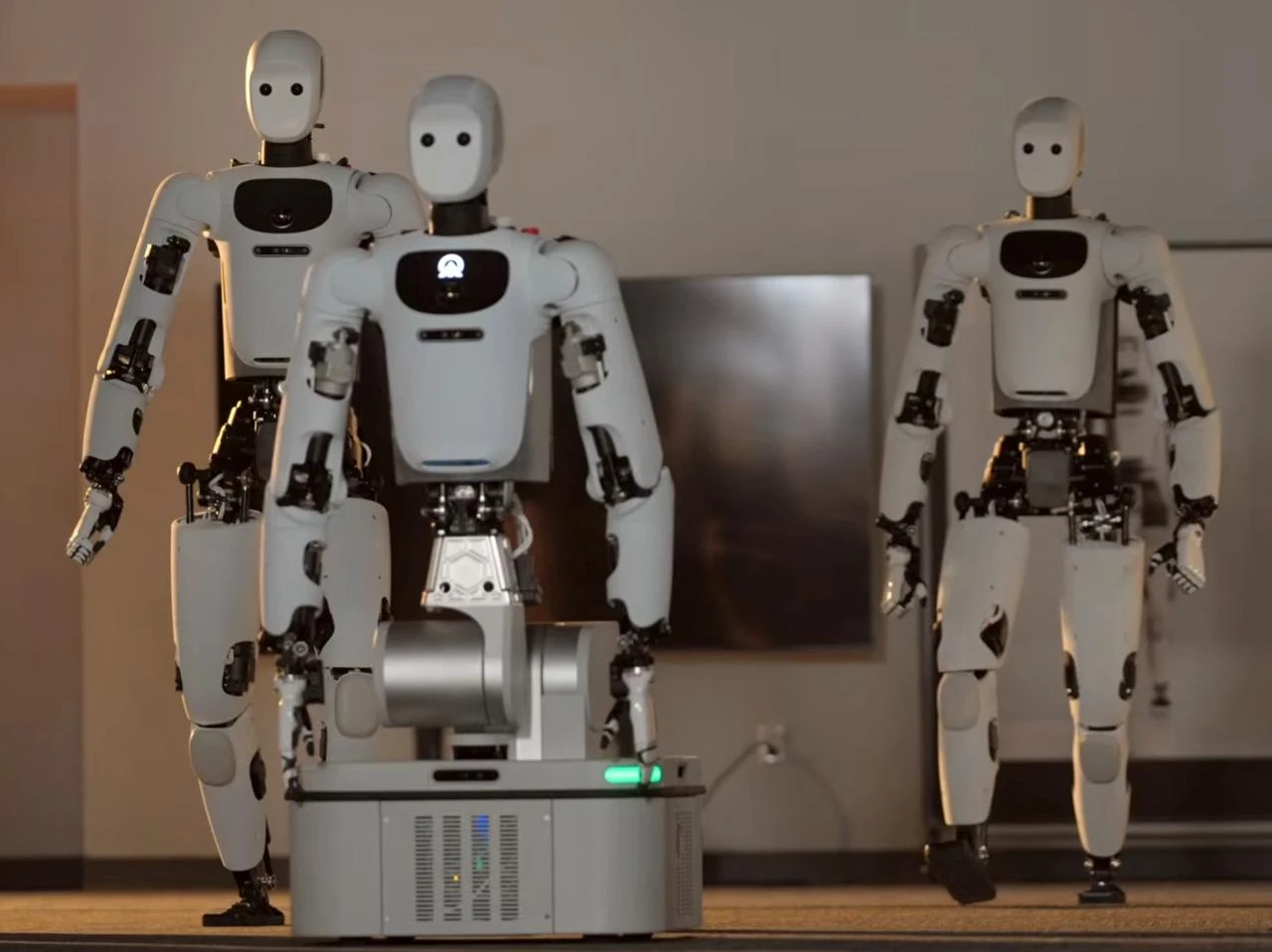
Most operations are carried out through teleoperation, with operators standing near the robots and directing their movements in real time through a control interface.
The robot mimics the operator's movements while sensor data, camera footage, joint positions, and force measurements are recorded continuously.
This data trains the artificial intelligence model that serves as the robot's 'brain,' which is integrated with Google DeepMind's Gemini Robotics models.
Each movement made by an operator becomes a training example, teaching the robot how to respond in similar situations.
As the AI model improves, the robot requires less guidance and becomes more autonomous.
Company officials describe the process as a continuous learning loop, in which robots work, collect data, and improve with each cycle in real environments performing real tasks.
The experience and technological progress gained through the process are paving the way for a new generation of humanoid robots.
Machines initially designed to work alongside humans in manufacturing and logistics are being developed for use in healthcare, home settings and other fields.


 Set as preferred source
 Set as preferred source



 1 min read