Newsletters




International Energy Agency (IEA) chief warned countries against fuel hoarding and export bans Friday, cautioning that such measures would devastate global allies as the U.S.-Israeli conflict with Iran threatens a prolonged closure of the Strait of Hormuz.
In remarks to the Financial Times, Fatih Birol said countries should avoid restrictions on exports at a time of extreme strain in global oil markets. He also said some countries are already adding to their stockpiles despite a coordinated release of emergency reserves by the IEA aimed at stabilizing the market during the conflict.
"I urge all countries not to impose bans or restrictions on exports," Birol said. "It is the worst time when you look at the global oil markets. Their trade partners, their allies and their neighbours will suffer as a result."
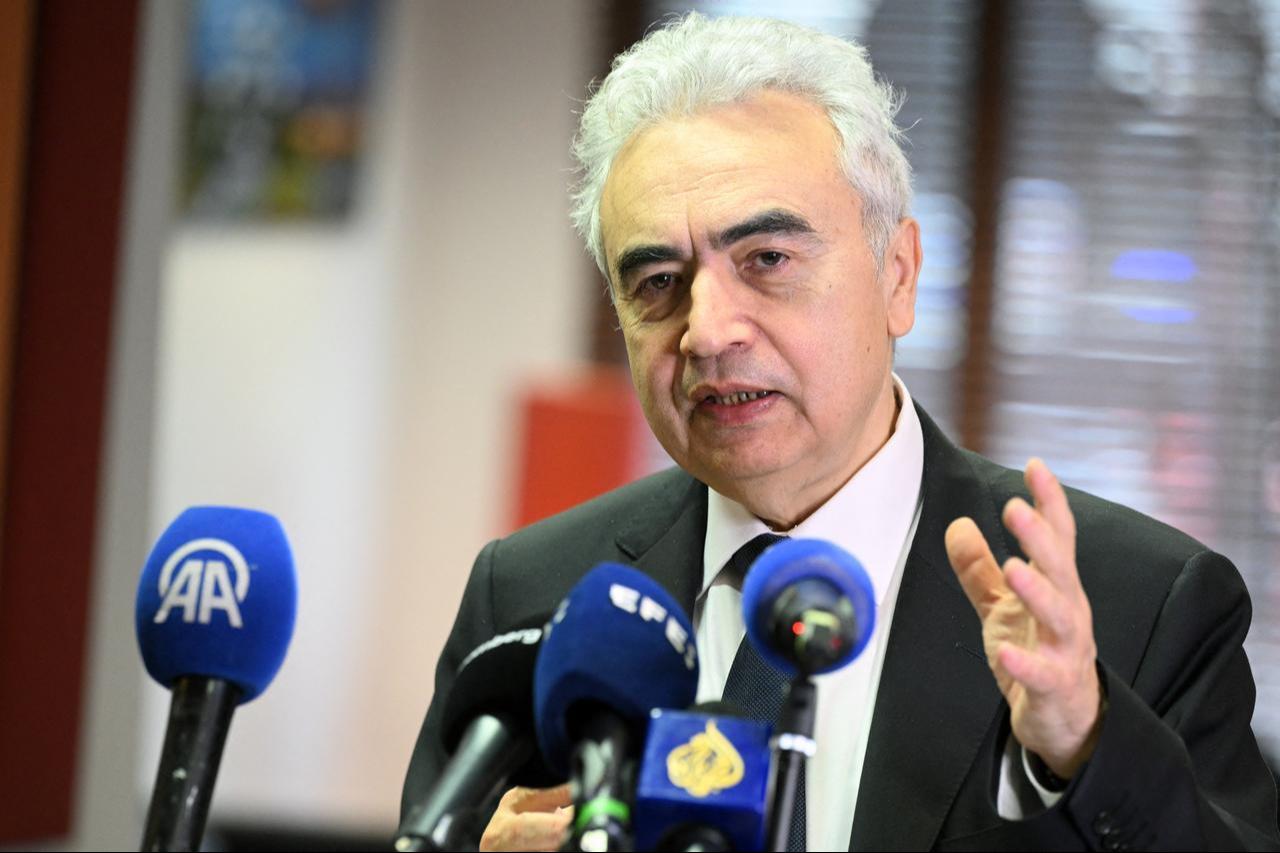

Birol said major countries in Asia with large refining capacity should reconsider any decision to restrict exports.
While he did not name any country directly, the report said his comments appeared aimed at China, described as the only major country to have banned exports of petrol, diesel and jet fuel in response to the five-week-old war. The report also said India has imposed extra duties on exports.
Birol said that if those countries continue to restrict or completely ban exports, the impact on Asian markets would be dramatic.
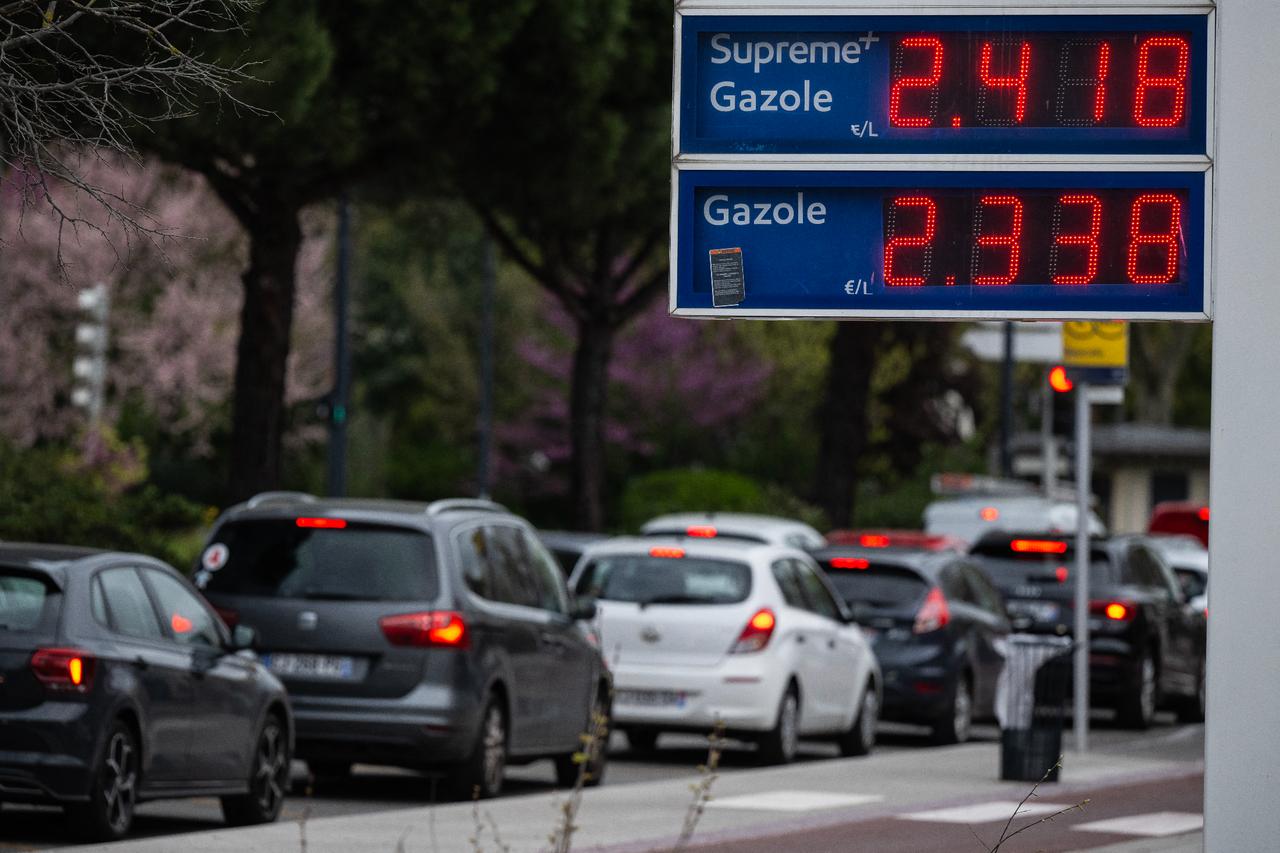
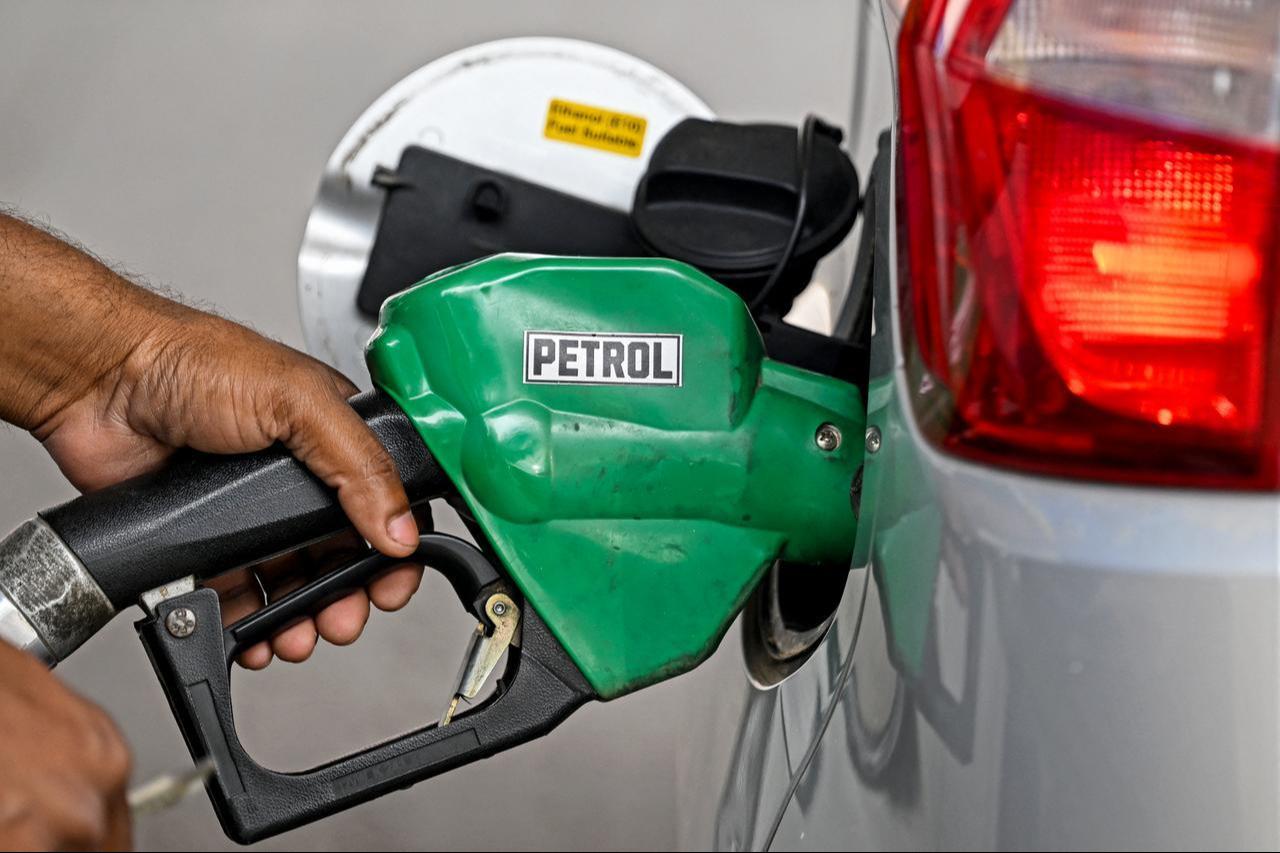
The report also said his warning may apply to the United States, where rumors of a possible ban on refined fuel exports have circulated as gasoline prices moved above $4 a gallon and California faced the threat of jet fuel shortages. According to the report, U.S. Energy Secretary Chris Wright has ruled out only a ban on crude oil exports.
Birol said some countries are already hoarding energy, weakening the effect of the IEA's release of 400 million barrels of crude and fuel from emergency reserves.
"Unfortunately, we see that some countries are adding to their existing stocks during our coordinated oil stock release," he said. "They are stocking up. This is not helpful. In my view this is a time for all countries to prove they are a responsible member of the international community."
The report said two countries that have seen stock increases in recent weeks are the United States and China.
According to the latest weekly report from the U.S. Energy Information Administration cited in the text, U.S. inventories were up 5% year-on-year despite the country being the biggest contributor to the IEA plan.
The report also cited energy data company OilX as predicting that China's onshore crude stockpiles would be nearly 120 million barrels higher in April, reaching 1.3 billion barrels.
Birol said the energy crisis has so far been felt most acutely in Asia, where some countries have started rationing fuel and shortening work weeks.
He said diesel and jet fuel prices have risen sharply in the West, but added that there were no physical shortages of jet fuel or diesel in Europe at the moment.
Birol cautioned, however, that the situation could change in the coming weeks if disruption to Middle East energy flows continues.
He warned that global oil and refined product losses could double in April if the Strait of Hormuz remains closed, far outpacing the supply shocks recorded in March.
Under normal conditions, one-fifth of the world's oil and liquefied natural gas passes through the waterway, which the report said has been all but closed by Iranian threats to fire on shipping.
Birol also said that even after the conflict ends, it will take a long time for markets to return to normal.
Birol said the IEA is monitoring key energy infrastructure in the region on a daily or even hourly basis, including oil and gas fields, pipelines, refineries and LNG terminals.
He said 72 energy assets are currently damaged and that one-third are severely or very severely damaged.
Birol praised Saudi Arabia for responding quickly to the crisis by rerouting more than two-thirds of its oil exports through a pipeline to the Red Sea, bypassing the Strait of Hormuz.
He said he had been reassured by the highest authorities in Saudi Arabia that the pipeline is well protected, but warned that a successful attack on that route would have extremely severe consequences for the global economy.
Birol said the current crisis would redraw the world's energy system, as earlier shocks did in the 1970s and after Russia's full-scale invasion of Ukraine in 2022.
He said the oil shocks of the 1970s led to a boom in nuclear power, greater efficiency in car engines and a fast-tracking of oil and gas licenses in the U.K. North Sea.
He predicted that the current crisis would lead to another revival in nuclear energy, a boom in electric vehicles and a greater push for renewables, while also prompting some countries to burn more coal.
Birol added that the gas industry, which had presented itself as a reliable supplier, would now have to work hard to regain its reputation after two energy shocks in four years.
He also said the U.K. would not be able to reproduce its earlier oil boom, saying it has already produced most of what can be extracted cost-effectively.
"It has already produced most of what can be cost-effectively extracted," he said. "Back then, the U.K. possessed 5% of global oil and gas. Today it is about 0.7%."
Birol's remarks framed the war-linked energy crisis as both an immediate supply emergency and a turning point for the global energy system.


 Set as preferred source
 Set as preferred source


 1 min read
 1 min read