Newsletters




The global diesel market is set to remain tight well into 2027 as supply disruptions in the Gulf leave inventories depleted and delay a full recovery, the International Energy Agency (IEA) warned Wednesday.
In its monthly oil market report, the Paris-based agency said the market depends on a recovery in Middle Eastern petroleum product supplies, which will take time to rebuild depleted stocks.
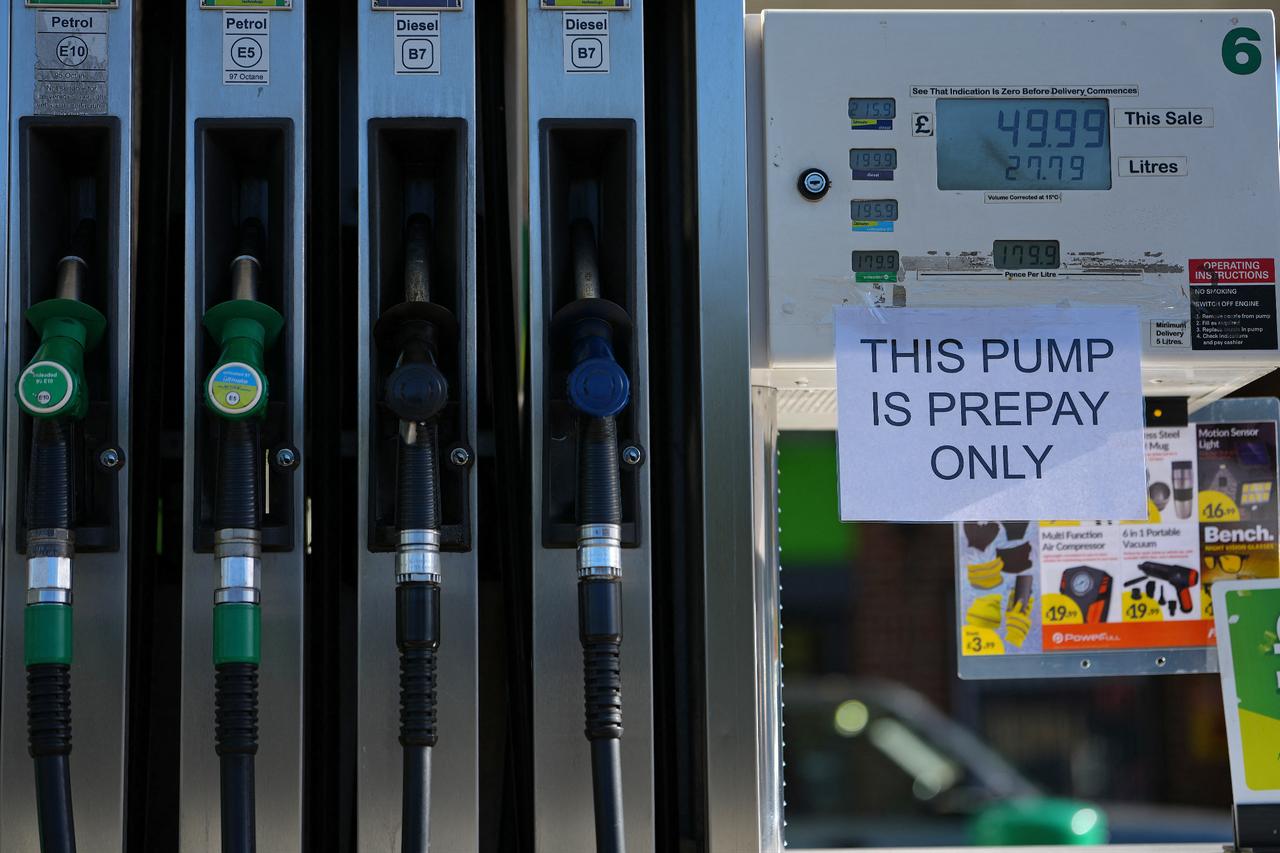
Diesel prices hit record highs across Europe and the United States in recent weeks as reduced oil exports from the Gulf and damage to regional refineries from Iranian retaliatory attacks squeezed supplies. Governments responded by cutting fuel taxes, providing subsidies and releasing strategic reserves, adding to the stockpiles that will eventually need replenishing.
The IEA expects refining capacity to recover and push the diesel market into surplus in the first quarter of next year, lifting inventories broadly in line with normal seasonal patterns. That improvement, however, will not fully offset the deficit accumulated since the United States and Israel launched strikes against Iran in late February, sending energy prices soaring worldwide.
The agency warned that if Gulf supplies fail to return to normal levels soon, further reductions in fuel demand may be needed to balance markets, potentially carrying heavy economic costs. "The gasoil market balance will remain tight well into 2027 and is dependent on a recovery of product supply from the Middle East," the IEA said.
Global oil supply rose by 2.5 million barrels per day in September from the previous month to 102.32 million barrels per day as Gulf producers increased output, according to the IEA.
OPEC+ production climbed by 2.1 million barrels per day to 40.6 million barrels per day, despite attacks on the East-West oil pipeline on Sept. 11. Saudi Arabia led the increase, raising output by 2.3 million barrels per day to 8.3 million barrels per day.
Supply from producers outside OPEC+ also increased by 480,000 barrels per day to 77.1 million barrels per day, supported by higher output in the United Arab Emirates and the resumption of British offshore production following seasonal maintenance.
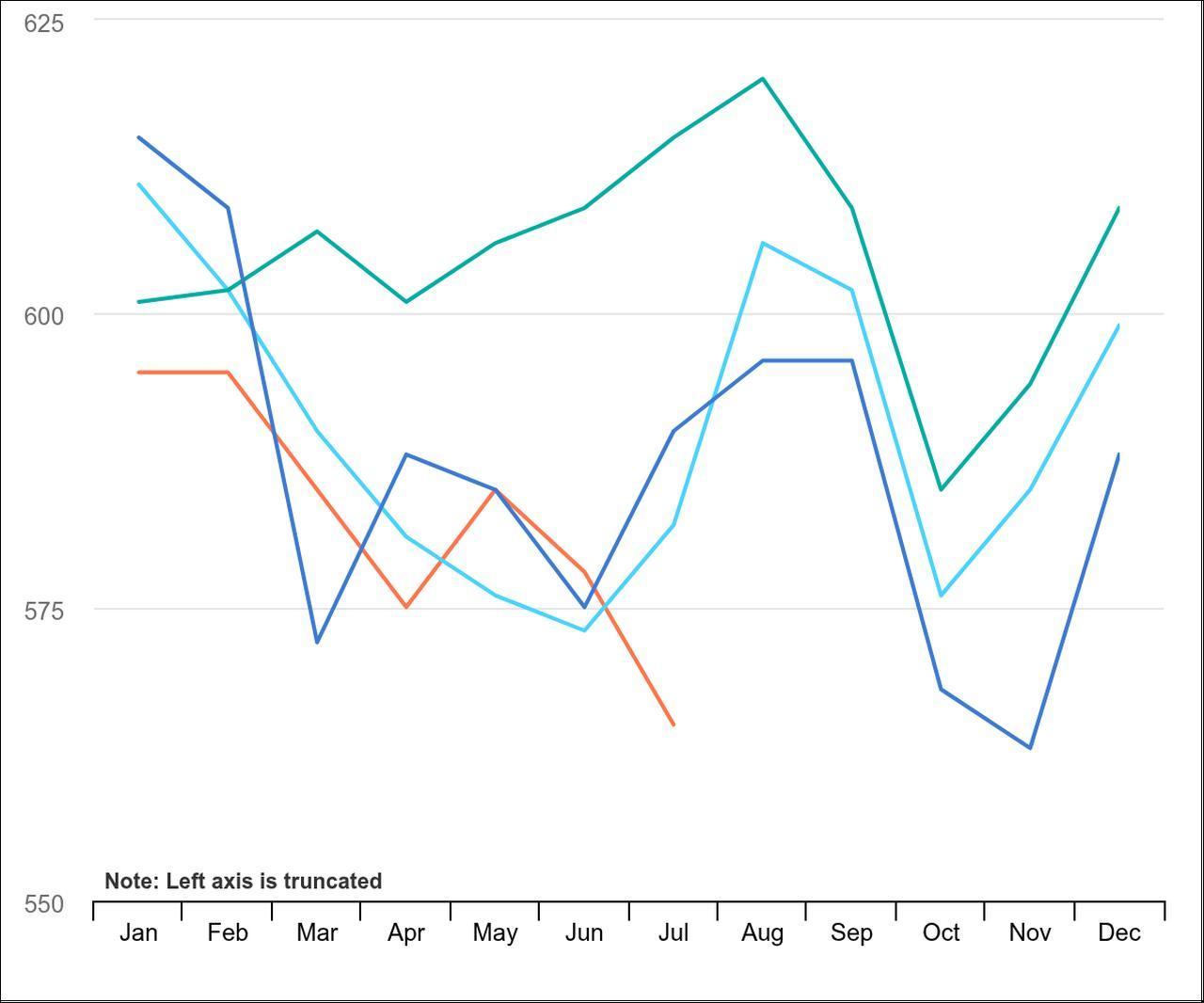

Oil supply from Gulf producers rose by 2.6 million barrels per day in September to 24.3 million barrels per day. Exports from regional countries, excluding Oman, increased by 4.7 million barrels per day to 16.5 million barrels per day but remained 33% below prewar levels.
Shipments through the Strait of Hormuz climbed by 3.7 million barrels per day to 10.9 million barrels per day, while exports through alternative routes rose by 970,000 barrels per day as flows through the East-West pipeline recovered. Regional crude exports increased by 4.4 million barrels per day to 13.9 million barrels per day.
Despite the rebound, continued attacks on oil infrastructure and tankers threaten to disrupt the recovery in regional production and exports, the agency said.
The IEA forecasts that global oil demand will decline by an average of 2.6 million barrels per day in 2026 to 102.4 million barrels per day. Demand is expected to drop by 2.5 million barrels per day year over year in the fourth quarter alone.
Restricted access to petroleum products, rapidly rising fuel prices and a deteriorating economic outlook are among the main factors driving the decline. The agency estimates that falling diesel consumption will account for about 25% of the overall drop in demand.
Global oil demand is projected to recover by 2 million barrels per day in 2027 to 104.4 million barrels per day. Even so, consumption is expected to remain 620,000 barrels per day below its 2025 level, with demand forecast to reach approximately 104.4 million barrels per day next year.


 Set as preferred source
 Set as preferred source


 1 min read
 1 min read