Newsletters


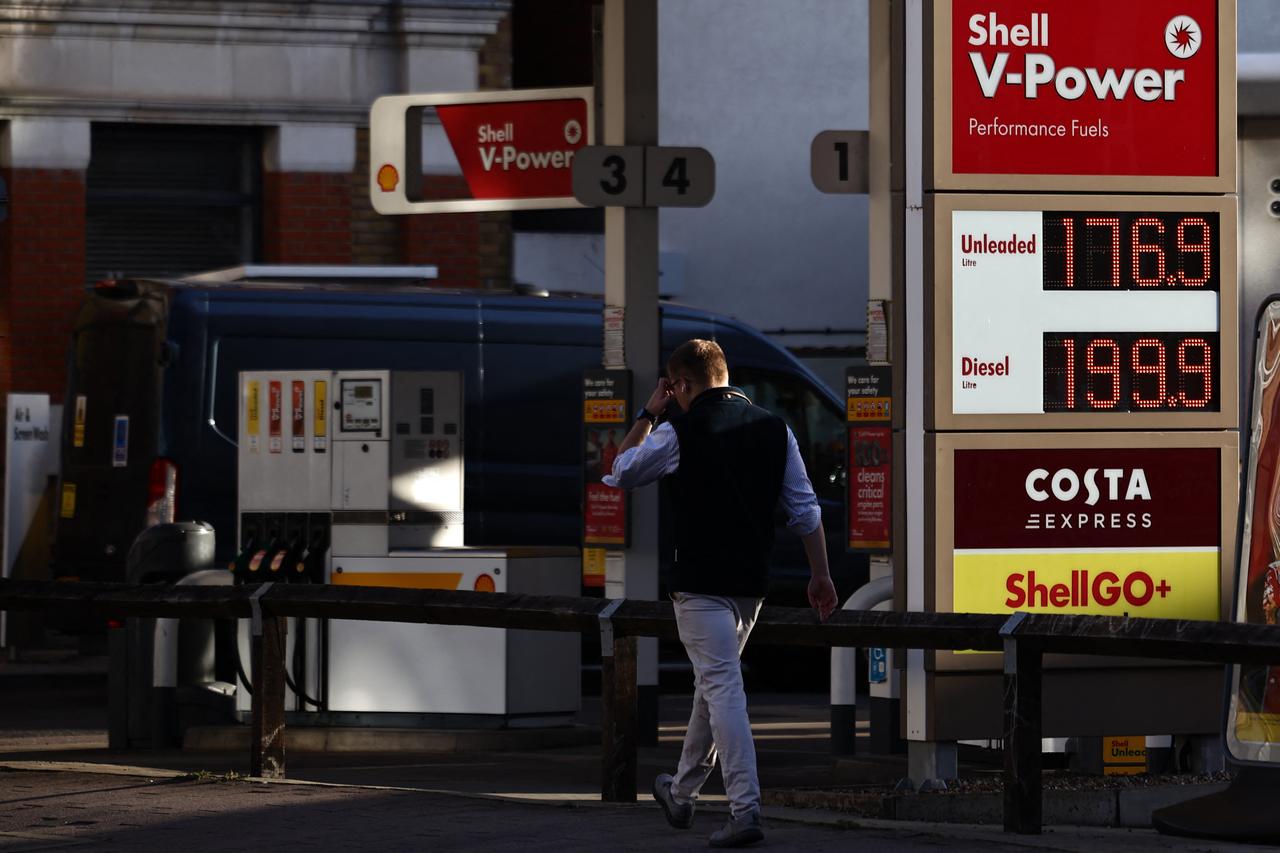


Every time the pump clicks off, the number on the display feels a little more painful. Faced with record prices, governments are reaching for the oldest lever in the book: cutting fuel taxes. It feels like relief, but the bill doesn’t disappear. It just changes hands, and sooner or later, everyone pays it.
As oil and diesel prices have reached record highs, drivers are growing increasingly anxious about the cost of filling their tanks. The military and political developments that followed the U.S. attacks on Iran, together with the subsequent closure of the Strait of Hormuz to oil tankers, have plunged global energy markets into crisis, while Houthi activity in the Arabian Sea has only intensified the situation.
In response, governments in countries such as Türkiye and Germany have resorted to cutting fuel taxes. While this policy may initially appear reasonable and politically appealing, from an economic perspective, such interventions have numerous adverse consequences. Crucially, alternative policy instruments can address these energy shocks much more efficiently, while delivering better outcomes for social welfare and distributive justice.
Intervening in the price system of a market economy distorts the very signals that guide producers and consumers.
Prices are fundamental indicators of scarcity and abundance; interfering with this mechanism undermines the information markets convey. When fuel prices rise, consumers should be encouraged to reduce consumption and seek alternatives. Government interventions that artificially limit price increases weaken these incentives, with consequences ranging from larger current account deficits to reduced household savings.
Fuel tax reductions generate both income and substitution effects by lowering the marginal price consumers pay. The income effect increases purchasing power, while the substitution effect makes fuel relatively cheaper compared with other goods and services. Together, these effects encourage higher fuel consumption and weaken the market’s ability to adjust demand in response to supply constraints.
The distributional impact of these policies presents another major concern. Because reductions are generally applied per liter, governments forgo substantial tax revenue for every liter of fuel purchased, revenue that serves as a key instrument for financing public services and redistributing income. In effect, these tax cuts subsidize fuel consumption for vehicle owners regardless of their income or need.
These policies also fail to distinguish between different categories of consumers. The owner of a large SUV benefits considerably more from a per-liter tax reduction than someone who rides a motorcycle. Meanwhile, households that do not own a car or consume fuel directly receive no benefit at all. Consequently, public resources are distributed according to fuel consumption rather than actual social need.


 1 min read
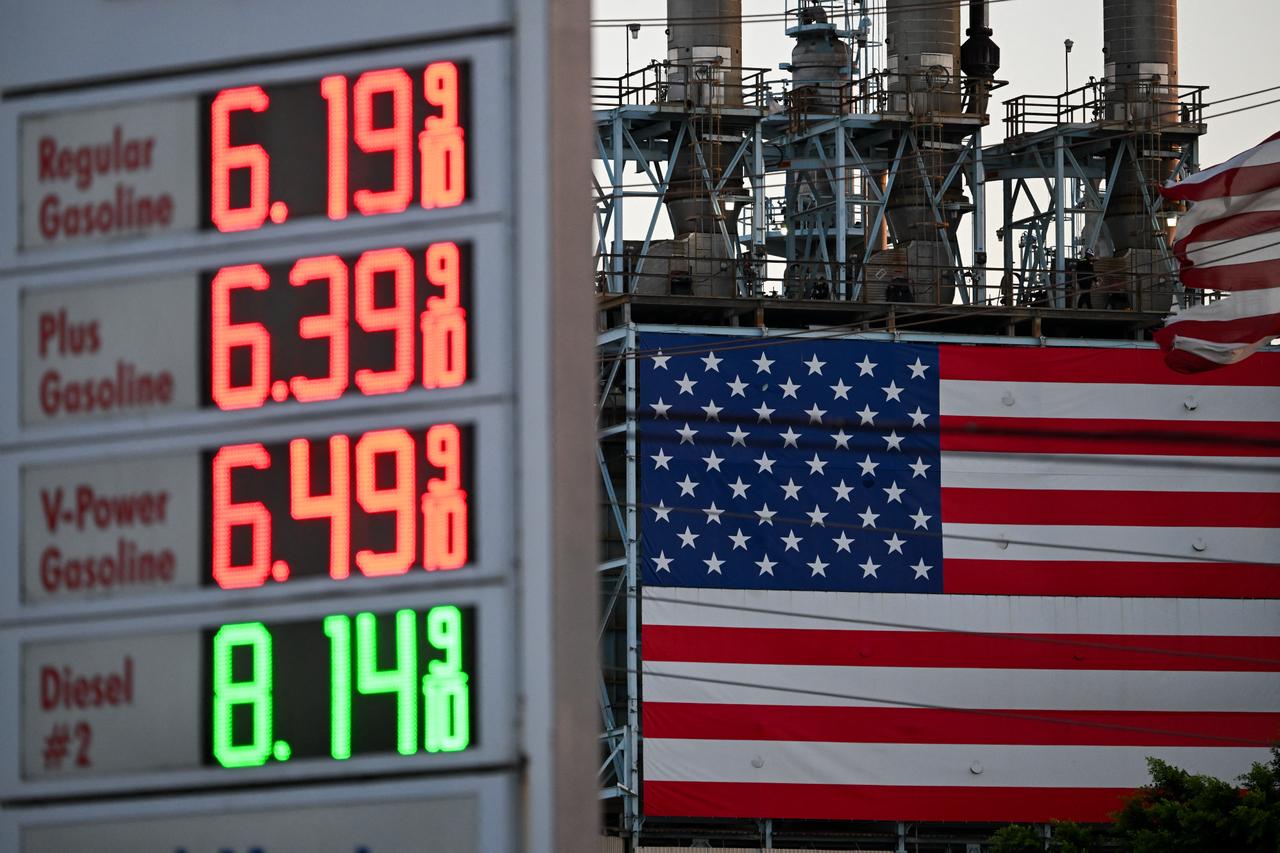
It is true that fuel is a fundamental input in production and transportation, so rising prices raise costs throughout the economy and contribute to inflationary pressures. However, fuel tax reductions provide only temporary relief. Once taxes return to their previous levels, the disinflationary effect is immediately reversed. Such measures tend to postpone rather than eliminate the inflationary consequences of an energy shock.
Rather than intervening directly in fuel prices, governments should consider targeted economic support for the farmers and industrial producers who rely heavily on fuel. Carefully designed assistance could mitigate rising production costs without broadly distorting market prices. For consumers and households, direct income transfers offer a far more effective alternative, serving both fiscal discipline and social welfare.
Under a system of direct income support, low- and middle-income households that are disproportionately affected by higher fuel prices could receive fixed monthly or quarterly payments. These transfers would be determined by the estimated impact of energy price increases on household budgets. Importantly, these payments should not be linked to the actual quantity of fuel purchased, ensuring that assistance is based on socioeconomic criteria rather than consumption levels.
Economic theory suggests that broad fuel tax reductions are costly, inequitable, inconsistent with environmental objectives, and disruptive to the price mechanism. Targeted direct transfers, by contrast, provide stronger protection for vulnerable households using the same public resources.
Empirical studies find that fuel tax reductions are rarely passed on to consumers in full. Only about 80% of such reductions are reflected in retail fuel prices, with the remainder captured by firms along the supply chain.
If the objective is to achieve meaningful and lasting reductions in fuel prices, policies aimed at strengthening competition at the refining and wholesale distribution stages are essential. Rather than relying on temporary tax cuts that distort price signals and disproportionately benefit those who consume the most fuel, governments should focus on protecting vulnerable households while addressing the underlying structural weaknesses in fuel markets.


 Set as preferred source
 Set as preferred source



 1 min read