

 Newsletters


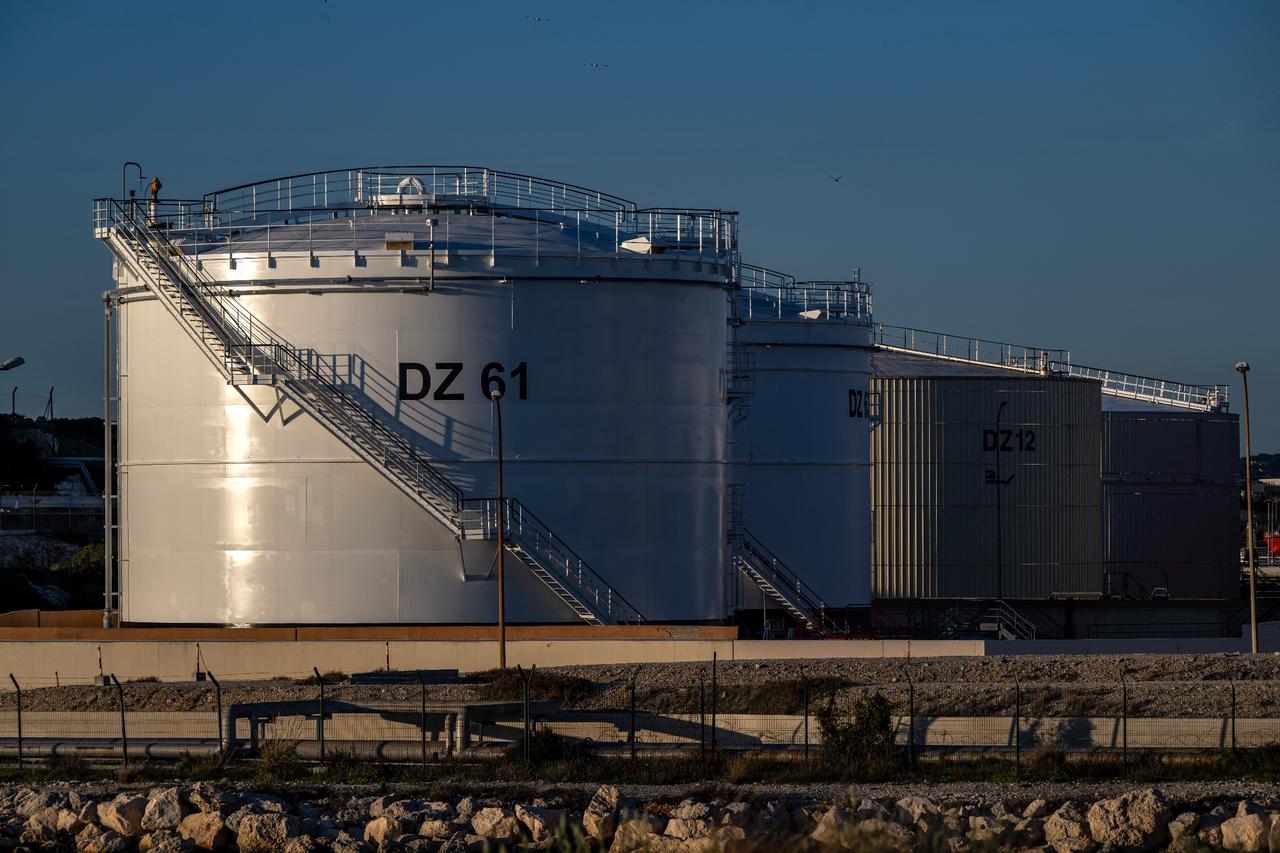


International Energy Agency (IEA) chief Fatih Birol stated that the agency still has ample emergency reserves if the G7's coordinated release of 100 million barrels of oil and diesel fails to calm markets, but stressed that the real solution is reopening the Strait of Hormuz.
"Allah willing, it will be enough, and I hope Hormuz opens to traffic as soon as possible and peace is established there, but if this does not happen, we still have a lot of stocks," Birol told reporters in Istanbul.
"We can do this immediately when necessary. We have stocks," he added.
G7 leaders agreed Friday to release the reserves through the IEA over four months, front-loading diesel, as U.S. President Donald Trump dropped his threatened diesel export ban.
Birol has described the energy crisis triggered by the Iran war as the biggest the world has seen.
Birol said the IEA had been entrusted with coordinating the release and ensuring its security, and that oil prices fell after the decision was announced.
He described the stock release as an emergency measure, saying the lasting solution is reopening and ensuring the smooth operation of the Strait of Hormuz.
Earlier this week, Birol said about a third of the 400 million barrels IEA members agreed to release in March had yet to reach the market, and that 80% of the agency's overall stocks were "still in our pocket."
After the G7 meeting, Birol thanked the leaders on social media. "I met with G7 leaders to discuss the serious pressures on the global energy market and diesel supply. In this challenging context, I emphasized the available options and the agency's readiness to provide support," he said.
"I thank all G7 leaders for their trust," Birol added.
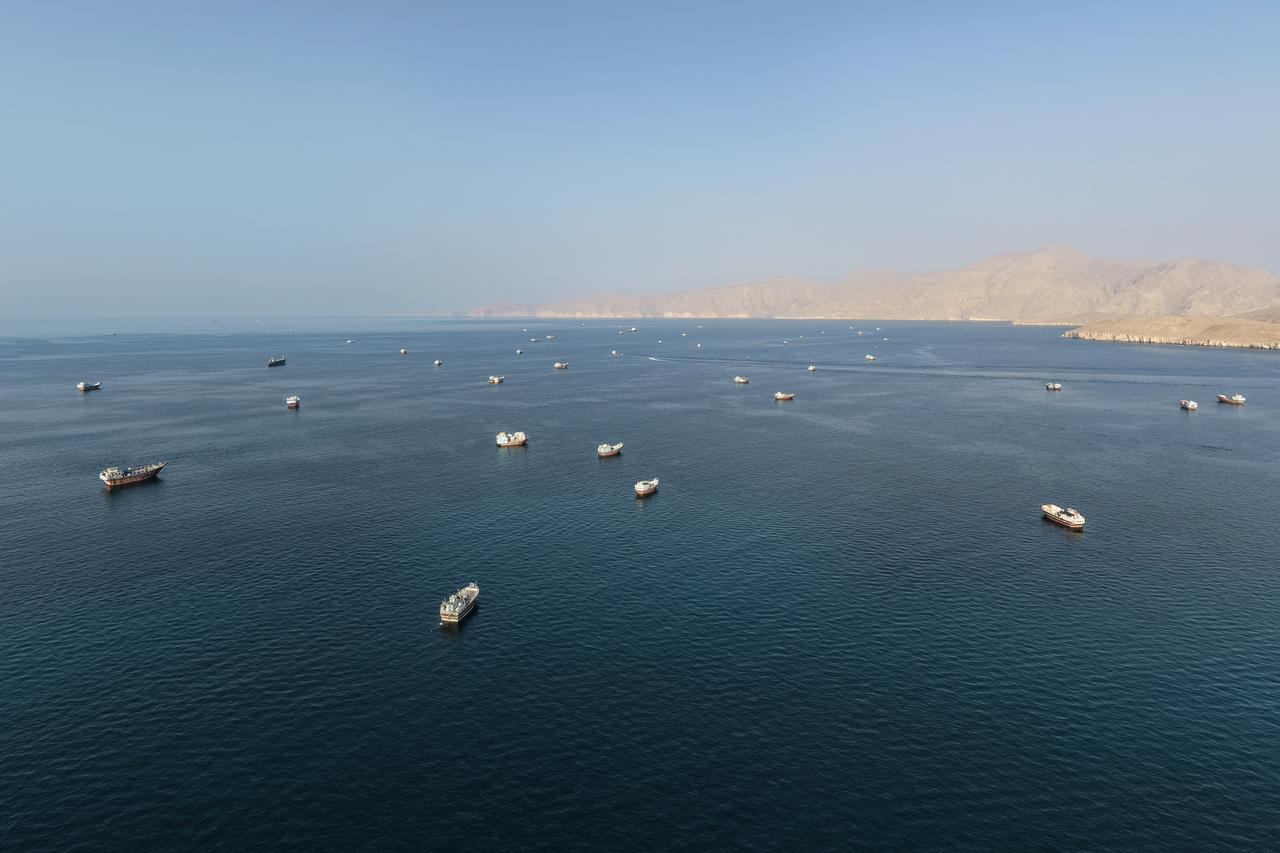

G7 leaders agreed to a release of 100 million barrels "to begin immediately over four months, including a frontloaded substantial diesel release within the first 20 days," according to a statement issued by the office of French President Emmanuel Macron, who chaired the video conference.
Turkish newspaper Oksijen reported that the decision was taken under Birol's coordination.
"We reaffirm our commitment to refrain from export restrictions on energy and energy products between G7 countries and call on all producers to refrain from imposing bans that could exacerbate market tensions," the leaders said.
The G7 also agreed to coordinate refinery maintenance schedules, called for the "immediate and full restoration" of navigational rights in the Strait of Hormuz, and said it would maintain sanctions against Russia.
The IEA is to deliver a follow-up report within 20 days.
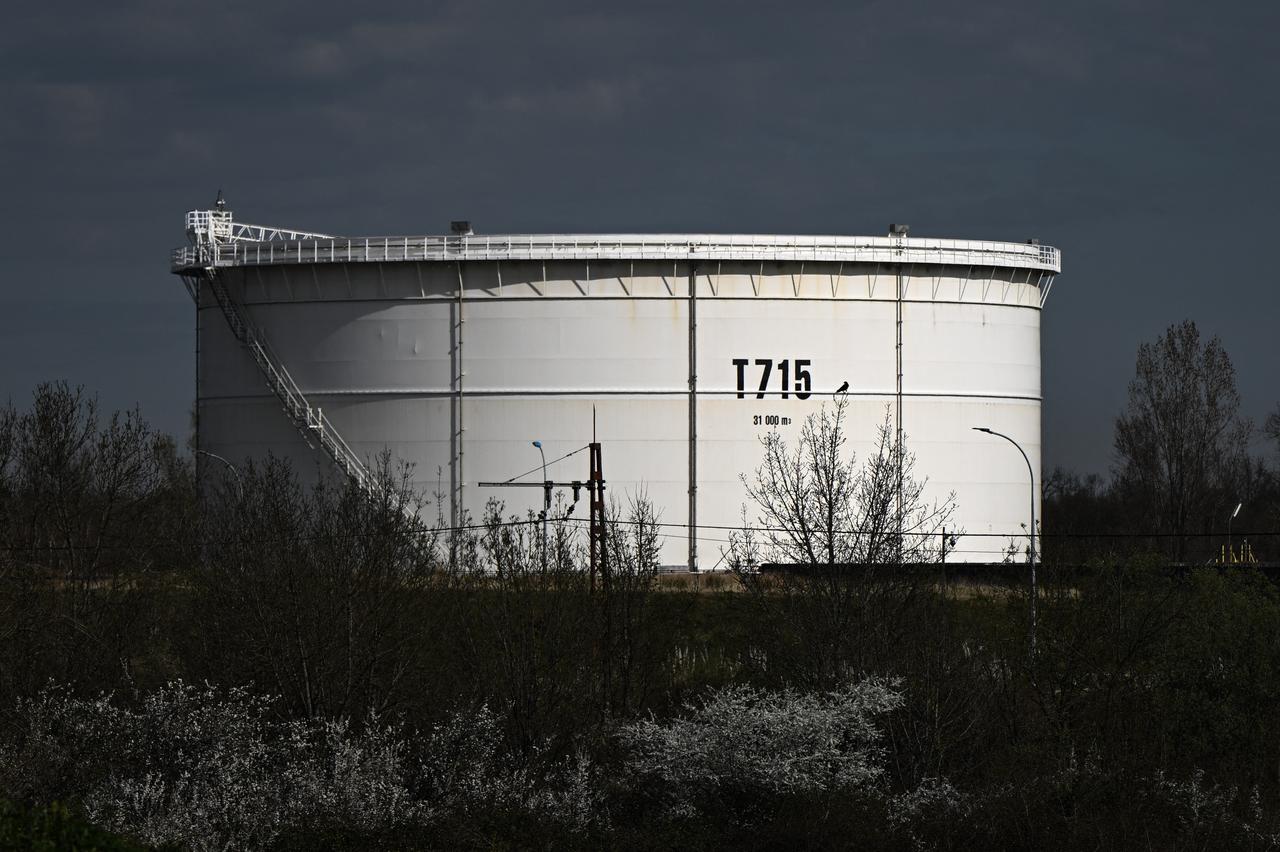
"Europe has just agreed to release a massive amount of their heavily stocked Diesel Oil. The process will begin immediately," Trump wrote on Truth Social.
Asked whether a diesel export ban was off the table, Trump said: "It was never really ever on the table. What Europe did was a great thing."
"We also have a joint commitment that none of us will impose an export ban. President Trump was extremely clear on this point," Macron said.
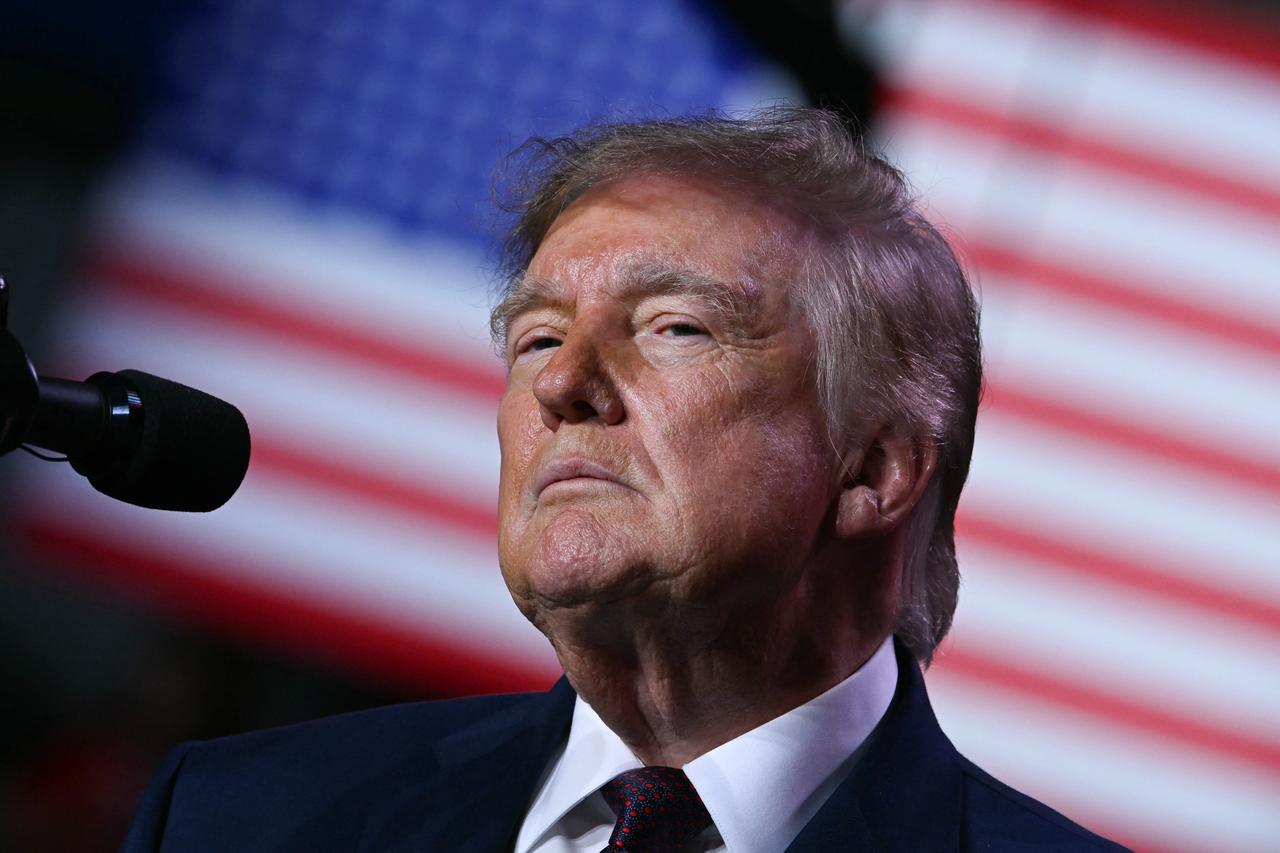
Speaking earlier Friday at Oksijen's "Beyond Climate: Toward Antalya" summit, Birol said the world entered a new energy era when the war in Iran began on Feb. 28.
"Energy and climate are like twin siblings. The biggest cause of the climate problem in the world is the energy sector," he said, adding, "Leave aside the oil crisis of the '70s and the gas crisis after Russia-Ukraine; the energy crisis experienced so far is the biggest."
He said energy security, costs and climate goals must now be evaluated within the same framework.
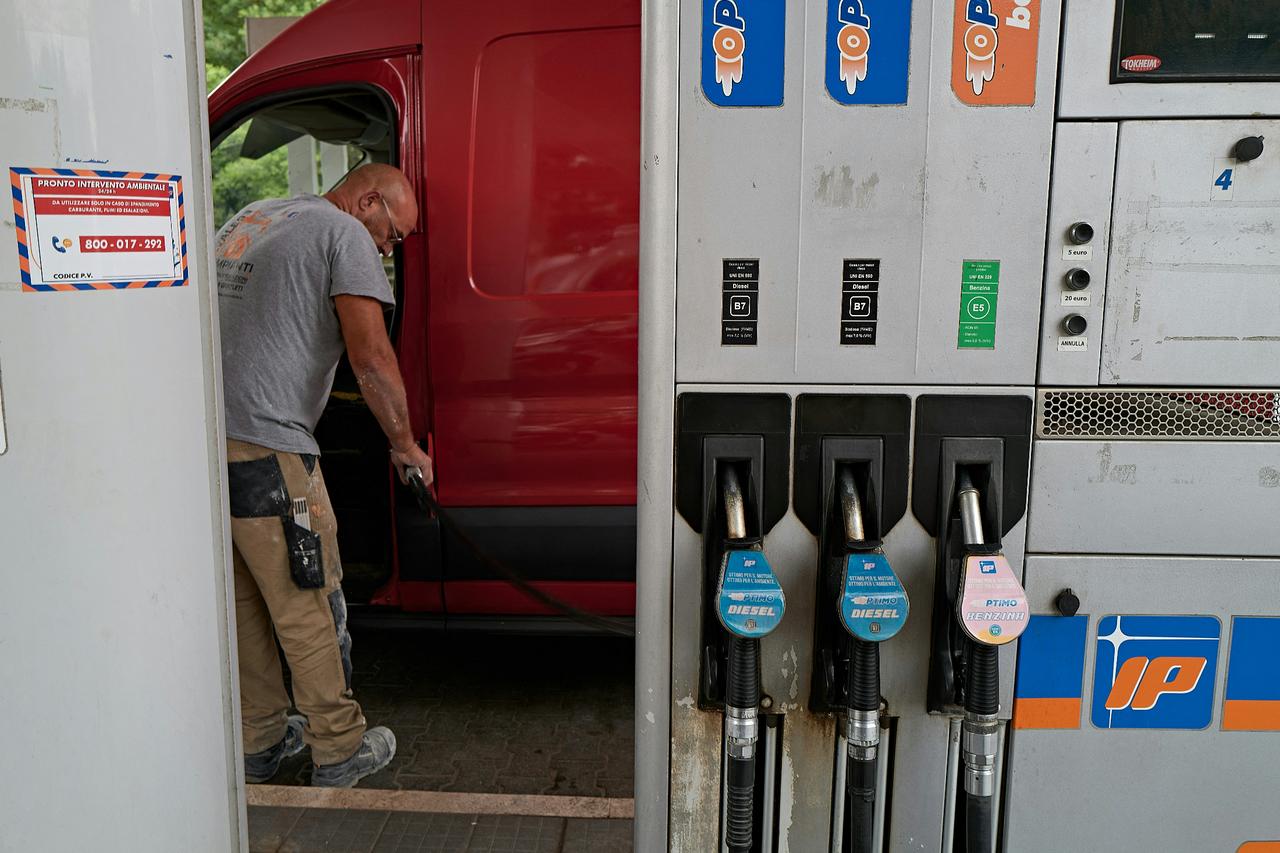
The IEA chief said prices are the first indicator of the crisis, explaining, "Oil prices are around $100, quite high, but what matters is not so much the crude oil price as the price of refined petroleum products. Diesel prices have doubled compared to before the war."
"Diesel prices will put pressure on inflation figures all over the world. The reason is the expensiveness of crude oil and the damage to many refineries in the Middle East during the war. Also during the Russia-Ukraine war, refineries there were destroyed," he said.
 1 min read
The second indicator, Birol said, is a shift in behavior.
"Countries, companies and citizens are learning lessons from this crisis and moving toward new energy policies, new partners in energy and technologies," he said, adding, "The concern of all countries now is to produce energy domestically, at home."
"Two years ago, I said we will still use oil and natural gas, but the world is entering the age of electricity. This crisis will accelerate the entry into this age," he noted.


 Set as preferred source
 Set as preferred source


 1 min read


