Newsletters


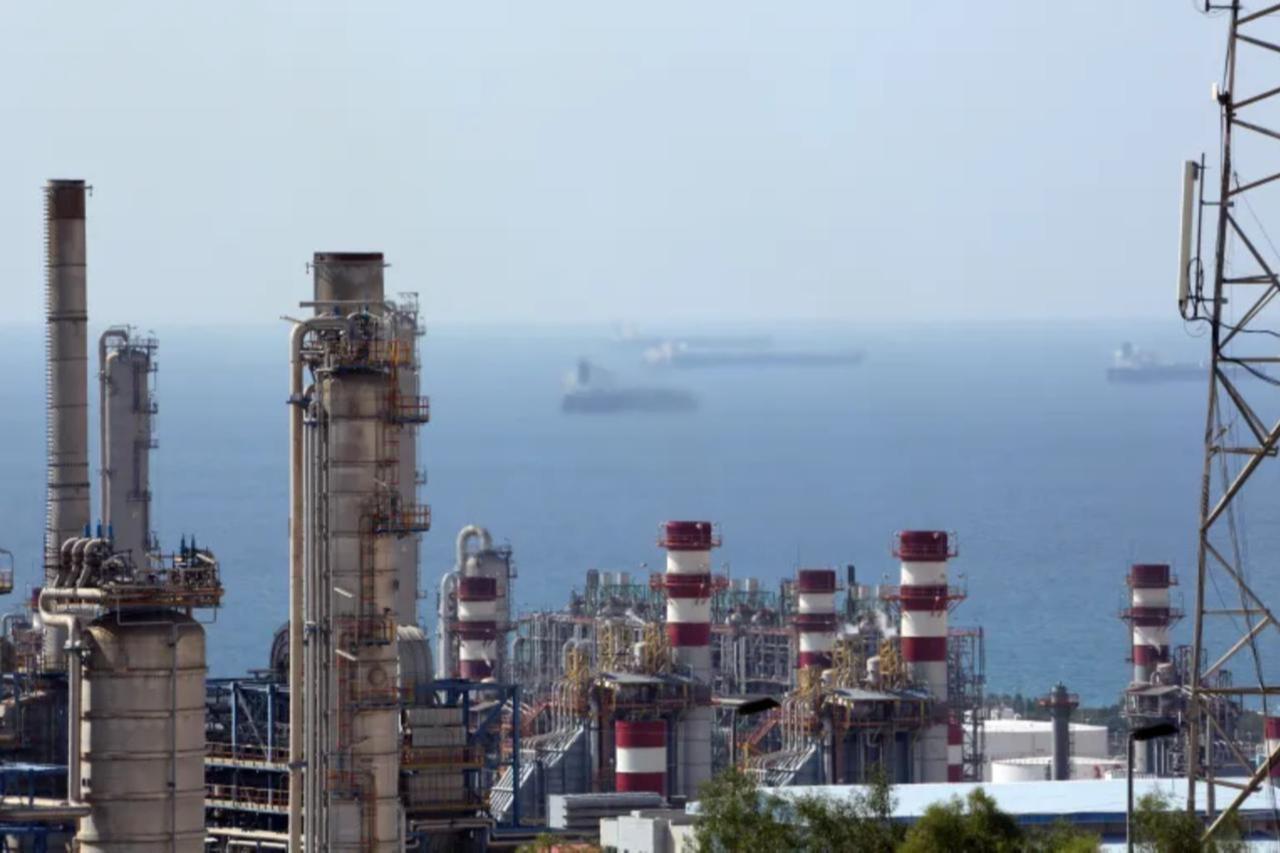


Iran's Deputy Oil Minister Ahmed Zeraatkar said Wednesday that about 50% of the production capacity damaged at the South Pars natural gas field during U.S.-Israeli attacks earlier in the conflict has been restored.
A repair program is underway to bring the damaged facilities back online as quickly as possible, with some sections restored ahead of schedule, Zeraatkar added. He also called on the public to follow energy-saving measures, saying reduced consumption can help support the restoration work.
South Pars, the Iranian section of the world's largest gas field shared with Qatar, holds an estimated 14.2 trillion cubic meters of natural gas reserves.
The Iranian South Pars field lies off the southern coast of Iran, mainly in the waters of Bushehr province, while much of the associated gas-processing infrastructure is located onshore around Asaluyeh, a major industrial and energy hub on Iran's Persian Gulf coast.
The field is central to Iran's energy system, accounting for roughly 70%-75% of the country's natural gas production, according to industry estimates. More than 90% of Iran's gas output is consumed domestically, with supplies from South Pars supporting residential heating, electricity generation, and the petrochemical industry.
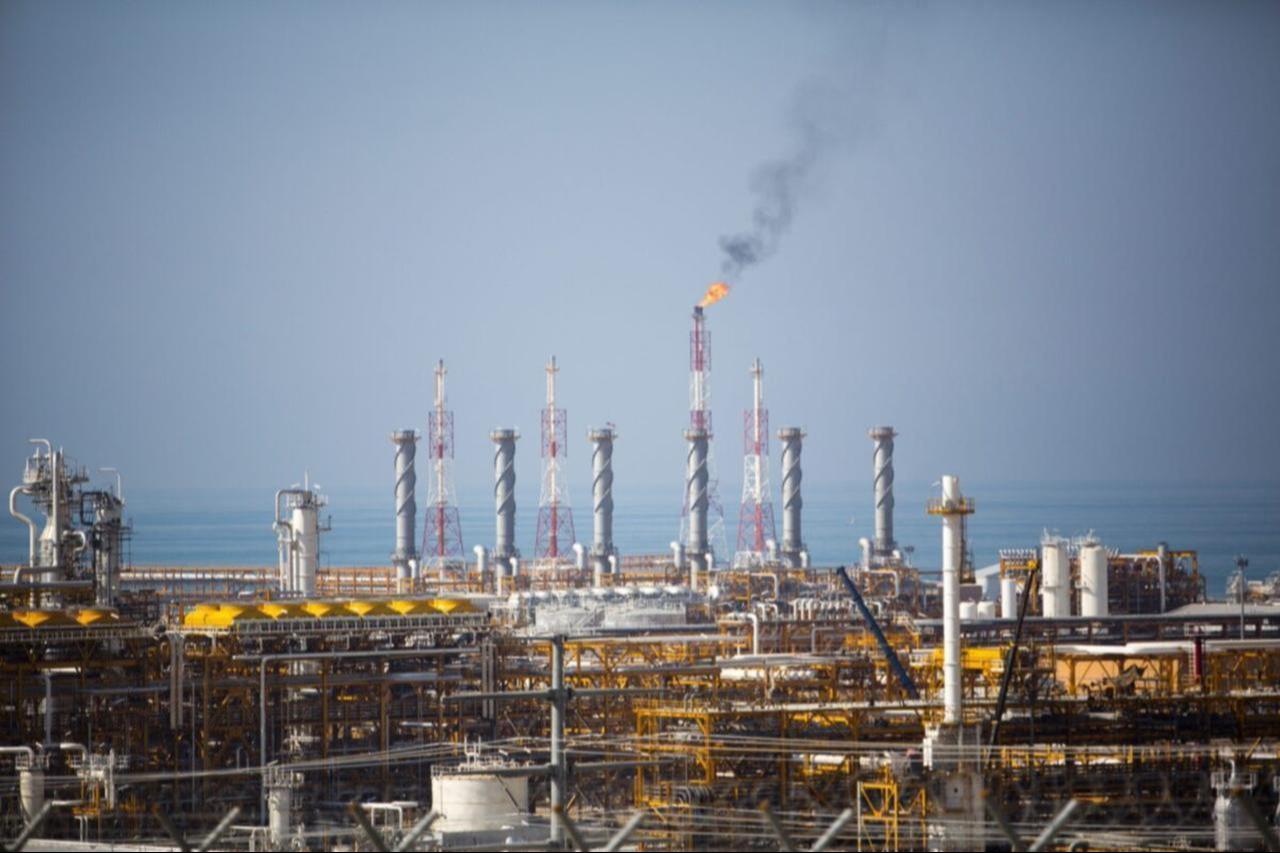

On March 18, Israeli forces struck gas facilities linked to the offshore South Pars field in southern Iran, with Iranian authorities reporting damage and a fire at the site. The damaged facilities included infrastructure in and around Asaluyeh, where much of the field's gas-processing capacity was located.
Iranian officials later reported that some offshore platforms remained undamaged but had to halt production because damage to the processing facilities limited their ability to handle the gas.
The attacks also triggered a wider escalation around regional energy infrastructure, with Iran launching retaliatory strikes against energy facilities in Gulf countries, most particularly Qatar's Ras Laffan LNG site.


 Set as preferred source
 Set as preferred source


 1 min read

 1 min read