Newsletters


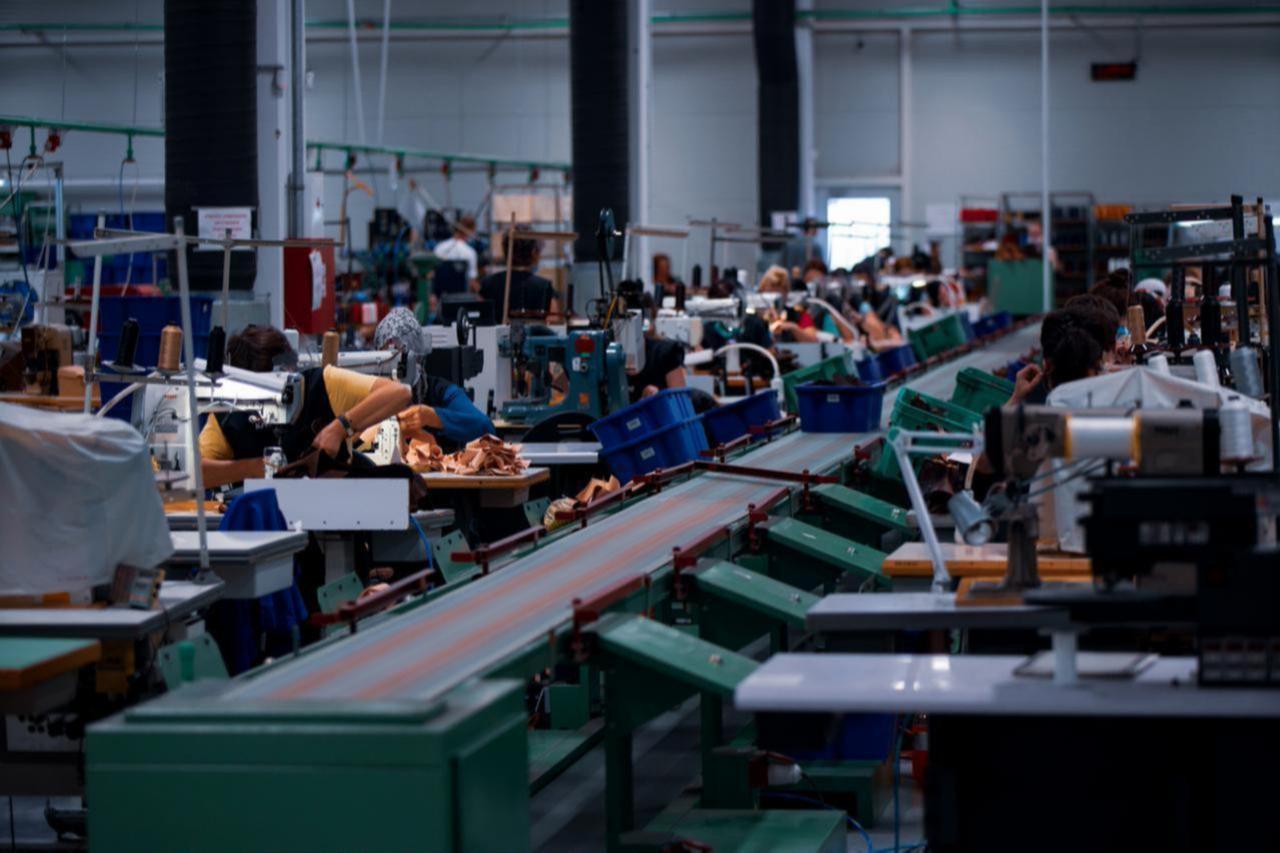


Türkiye’s manufacturing sector slowed further in March, with the Purchasing Managers’ Index falling to 47.9, the lowest in five months, signaling continued deterioration in business conditions at the end of the first quarter as the Iran war weighed on demand and costs.
According to the Istanbul Chamber of Industry's press release issued on Wednesday, both total new orders and new export orders declined more sharply, extending a slowdown trend that has now lasted two years. All 10 sectors monitored in the survey recorded a drop in new orders for the first time since July last year.
The sharpest drop showed up in the land and sea vehicles segment, where new orders fell at their fastest pace since April 2020. However, chemicals, plastics and rubber saw only a limited slowdown and stood out as the only area where production still grew during the month.
Companies pointed to uncertainty linked to the Middle East war as a key reason behind lower demand, with rising prices adding further pressure on orders. Weaker demand and higher costs translated into a more pronounced decline in output, marking the steepest contraction since November 2025.
Firms said increases in freight, fuel and oil prices—largely tied to the conflict—continued to drive input costs higher. Raw material costs also moved up, leading to the strongest rise in input prices in 23 months and the fastest increase in output prices in 25 months.
At the same time, supply chains remained under strain. Material shortages and transport disruptions extended supplier delivery times, with delays worsening to their highest level since August 2024. With orders easing and production needs cooling, manufacturers cut jobs at the fastest rate in six months, while both purchasing activity and inventories declined through March.
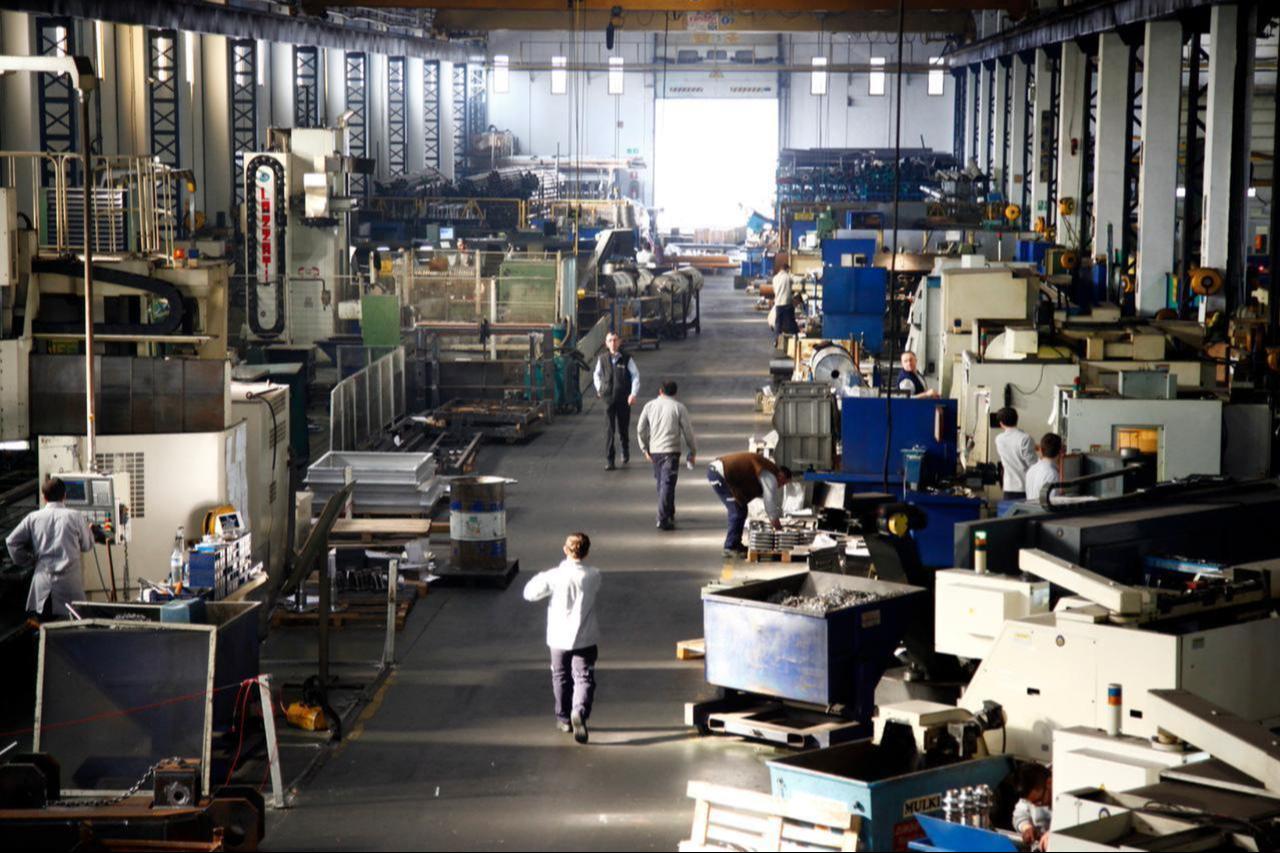

In February, Türkiye’s manufacturing PMI rose to 49.3, its highest level in 22 months, as the sector moved closer to stabilization by the mid-first quarter of 2026, with the decline in new orders easing to its mildest pace in nearly two years on improving demand signals.
Andrew Harker, economics director at S&P Global Market Intelligence, said the sector’s brief improvement in February did not carry into March. "Following signals in February that conditions were moving onto a recovery path, the Turkish manufacturing sector lost some momentum in March,” Harker said.
He added that the slowdown became clearer toward the end of the first quarter, largely reflecting the impact of the Middle East war. "The conflict increased input costs, especially fuel and oil, while also causing supply chain disruptions," he said. "The near-term outlook appears to depend on how long the conflict lasts and its impact on global prices and supply conditions."


 Set as preferred source
 Set as preferred source


 1 min read
 1 min read