Newsletters


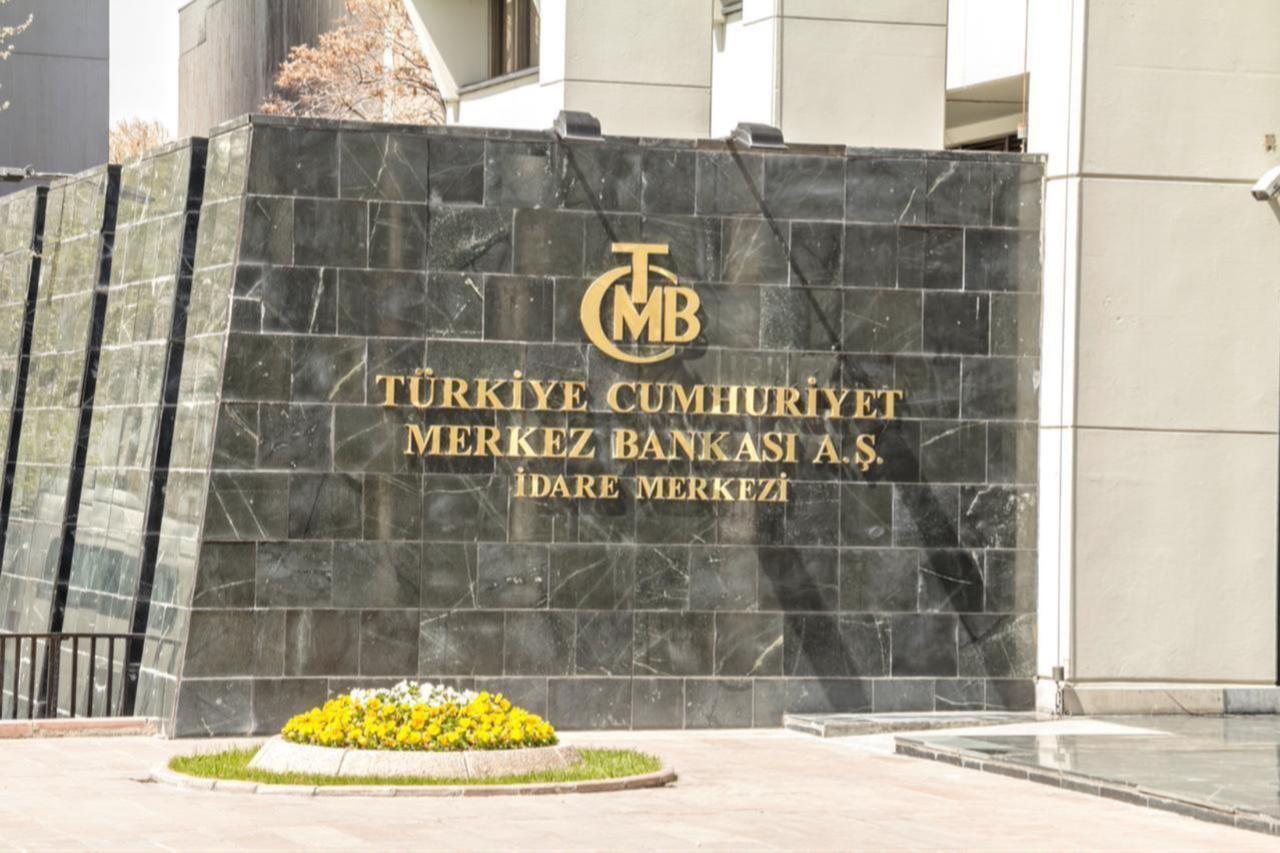


Türkiye’s central bank has sold a total of $44.3 billion from its reserves since the start of the Iran war as of March 30, as authorities stepped up interventions to stabilize the lira amid market volatility.
According to calculations based on the bank’s analytical balance sheet, the figure reached $21.5 billion in the previous week, marking a record weekly level, said former chief economist Hakan Kara..
Commenting on the move, Kara pointed to structural factors affecting foreign exchange availability, highlighting capital outflows and the current account deficit.
"If serious measures can be taken to restrain the external deficit, the situation can be manageable," Kara said in his post on X. "For this, a clear slowdown in demand and credit should be allowed in the first stage."
The central bank’s actions led to a sharp decline in overall reserves over the period. According to the bank’s latest weekly release, gross reserves stood at $177.45 billion in the week ending March 20, while swap-adjusted net reserves fell to $43 billion, reflecting continued intervention in currency markets.
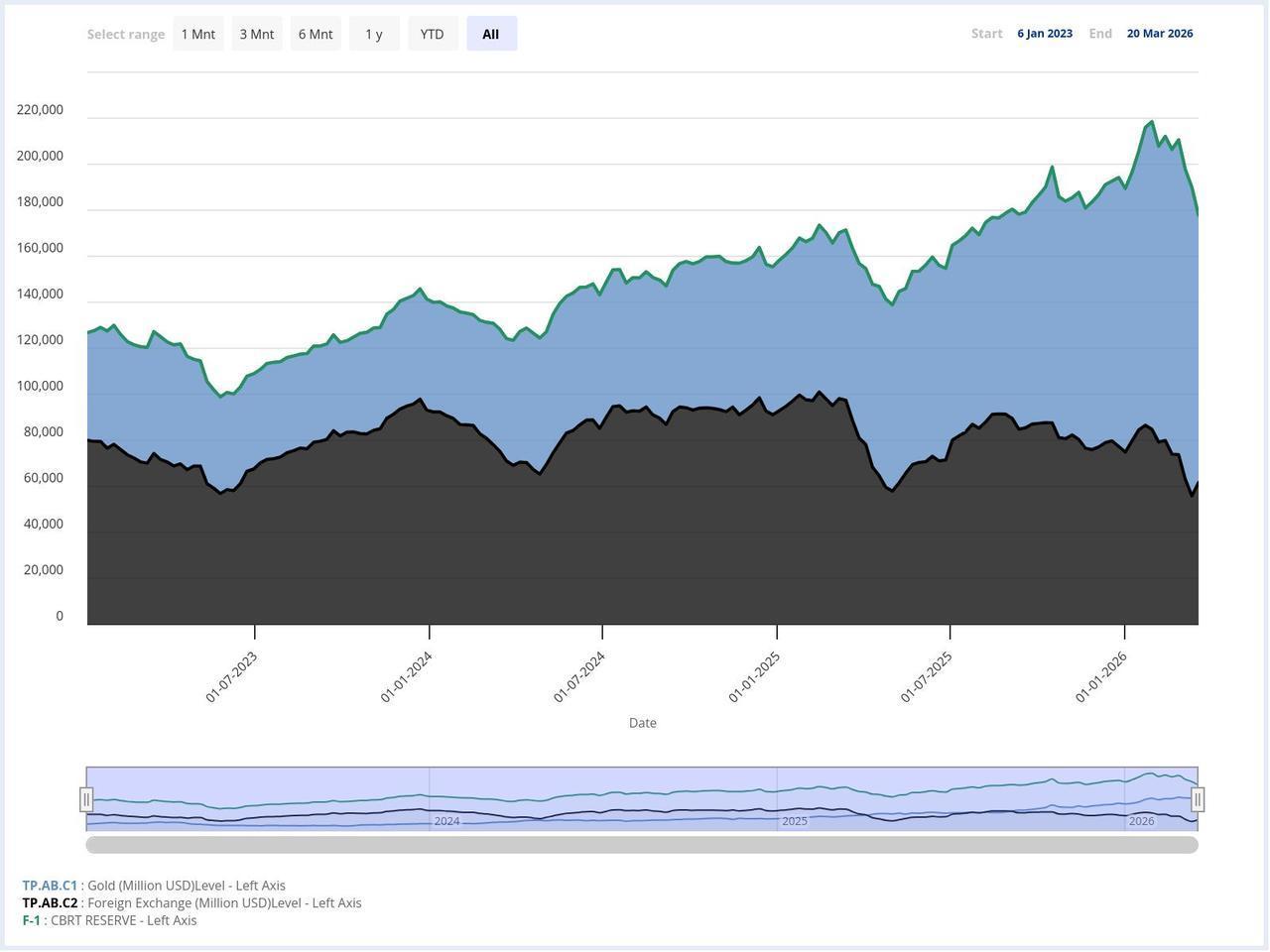

To sustain support for the domestic market, the policymakers used multiple instruments, including foreign exchange swaps and gold-based transactions. The bank's traders conducted dollar-for-gold swap operations in the London market and sold part of their gold holdings to provide liquidity.
On Tuesday, the central bank relaunched dollar-for-Turkish lira swap transactions for the first time since July 2024, opening three separate one-week auctions totaling $10 billion.
Central Bank Governor Fatih Karahan said the bank is using foreign exchange swaps and gold-based tools to limit the economic impact of the conflict, adding that demand for swaps indicates no shortage of foreign exchange liquidity.


 Set as preferred source
 Set as preferred source


 1 min read

 1 min read