Newsletters


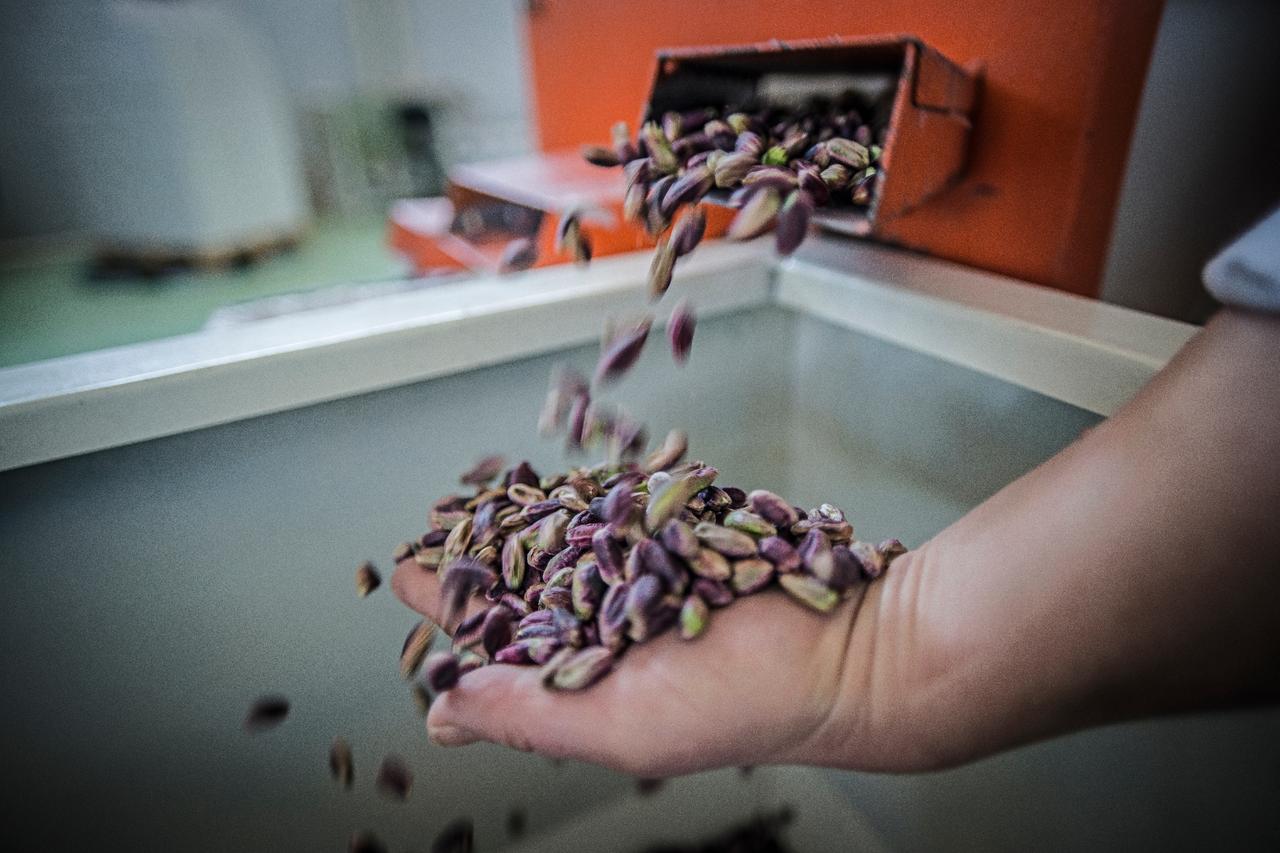


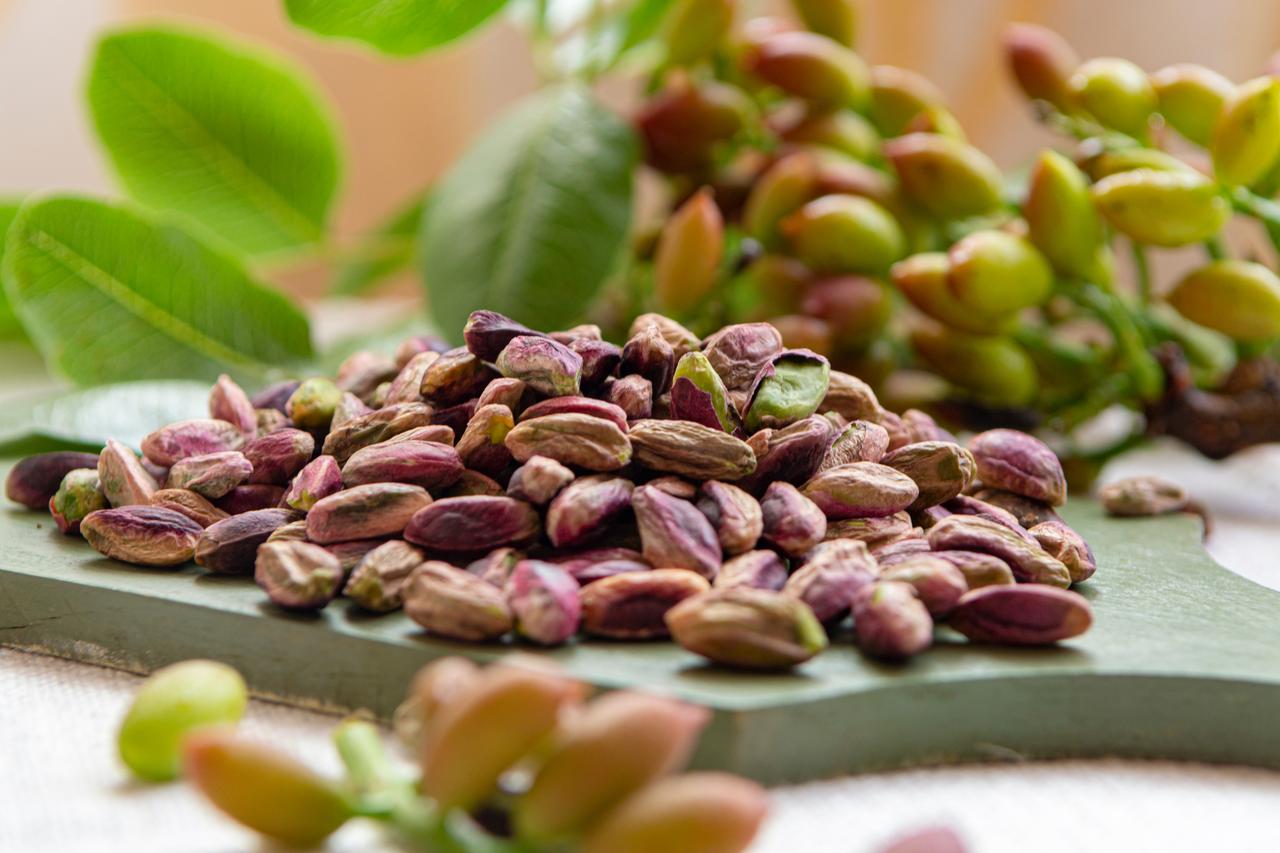
The war in Iran has tightened an already strained global pistachio market, pushing prices to their highest level since May 2018 as supply disruptions collide with strong international demand.
After shaking up fuel and fertilizer supply chains, the war in Iran is now hitting the pistachio trade as well. According to Bloomberg, the conflict has added fresh pressure to a market that was already under strain, lifting prices to an eight-year high.
According to Bloomberg HT, Iran, described as the world's second-largest pistachio producer, has seen its supply capacity come under greater pressure as the war disrupted logistics and trade flows. Pistachios, widely consumed on their own and also used in products such as ice cream, chocolate and drinks, have become harder to source at a time when demand is rising across several regions.
Nick Moss, a hazelnut and nut market analyst at Expana Markets, said Iran's pistachio trade had already been facing difficulties before the war because of sanctions and geopolitical tensions. He also pointed to a smaller-than-expected 2025 crop and communication outages during the government's response to civil unrest in January, which further threw off export coordination and tightened supply.
When the war broke out at the end of February, those existing pressures deepened. Moss said this created a smaller pool of pistachios that was becoming increasingly difficult to move into global markets. He added that pistachios are especially vulnerable to disruption because the Middle East serves not only as a major production center but also as a key transit and consumption region.
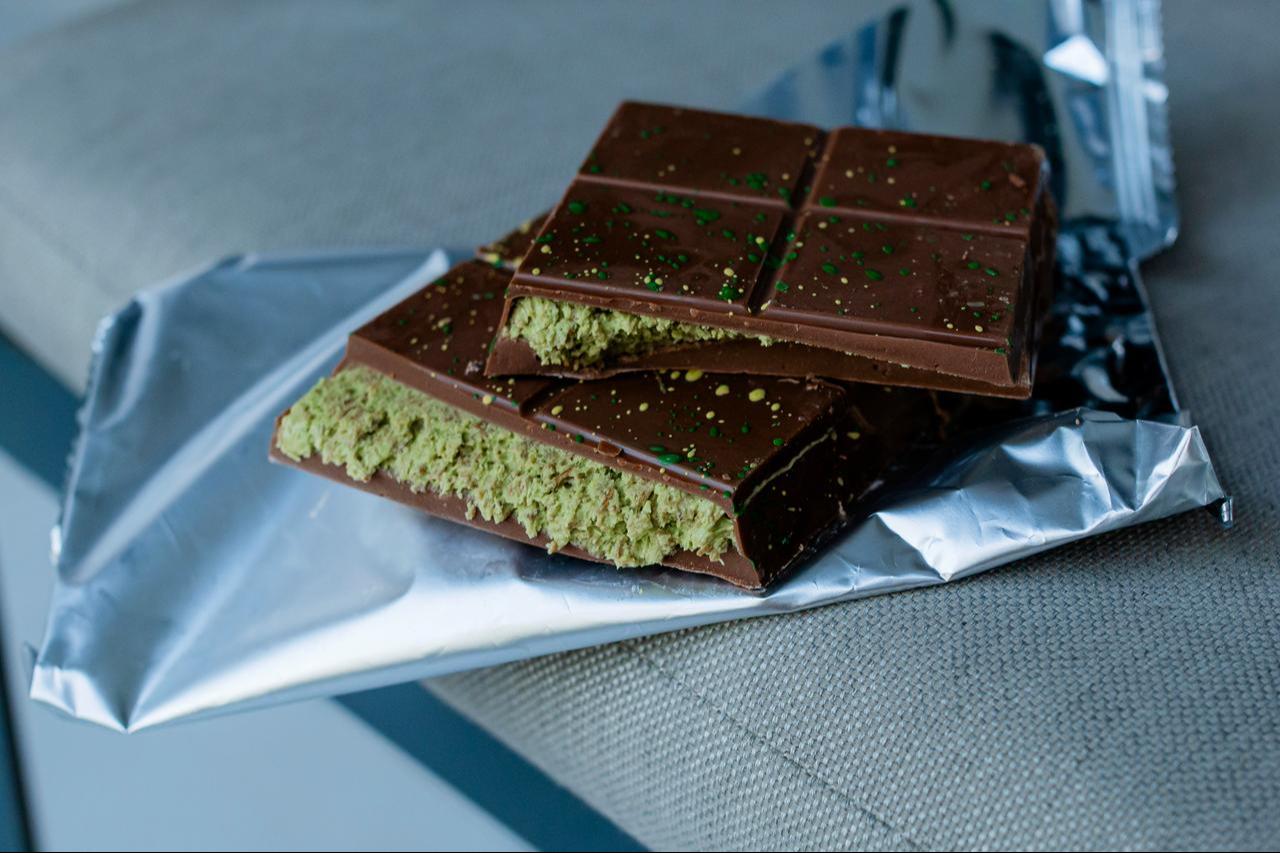

At the same time, global demand has continued to pick up. The pistachio-filled "Dubai chocolate," which went viral on social media in late 2023, helped drive stronger demand across Europe, the Middle East and Asia. Brands such as Haagen-Daz and Tache expanded pistachio into ice cream and plant-based milk lines, while Starbucks broadened the reach of pistachio-flavored coffee.
Expana's U.S. pistachio benchmark shows prices rose by around 30% over the past two years from late 2023. In March, pistachio prices climbed to $4.57 per pound, the highest level recorded since May 2018.
According to U.S. Department of Agriculture data cited in the report, Iran accounts for roughly one-fifth of global pistachio production and about one-third of exports. The United States supplies about 40% of production and around half of global shipments.
Gyana Ranjan Das, head of the edible nuts and pulses division at U.S.-based Crown Point Ltd., said shipping lines canceled new freight bookings to the Middle East from March 2 after the war began. He said the conflict disrupted supply chains, including pistachio shipments bound for India, a country that imports about $9 billion in edible nuts each year.
For now, it is still too early to assess whether military strikes have damaged pistachio orchards, most of which are located in northeastern Iran. Still, disruptions have already been reported along logistics and shipping routes running through key trade gateways such as the United Arab Emirates and Türkiye.
Analysts say that if the conflict drags on, the volume of pistachios reaching global markets could fall even further. That would increase competition for existing supplies in other markets, even among buyers that do not purchase directly from Iran.
If the supply squeeze continues, food manufacturers may have to raise prices, change recipes or switch to cheaper nuts. While substitution is common in the food industry when costs rise, analysts say that becomes harder in products where pistachio is the defining ingredient. For that reason, they believe pistachio flavor could become weaker in some summer products, especially ice cream, or disappear from some items altogether.


 Set as preferred source
 Set as preferred source


 2 min read