Newsletters




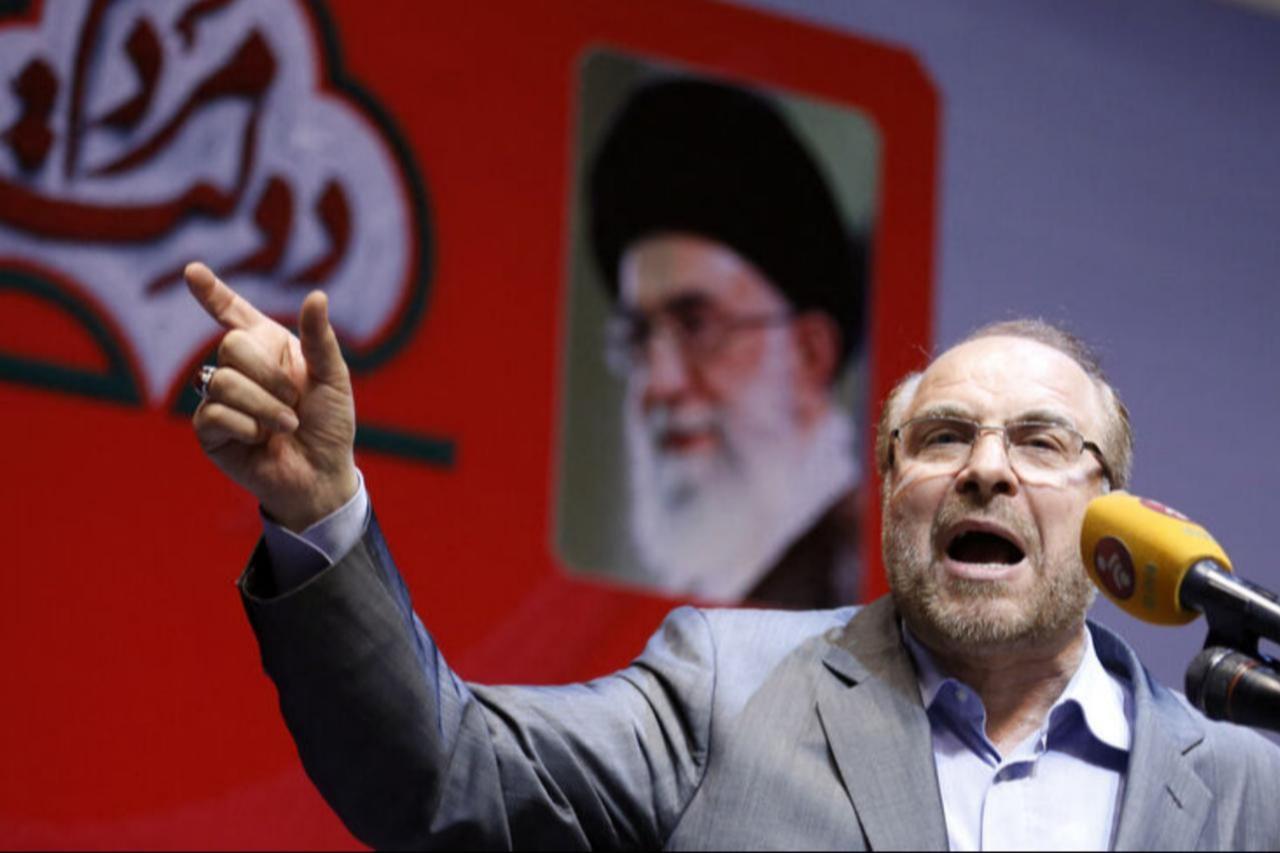
Mohammad Bagher Ghalibaf, the speaker of Iran's Islamic Republic parliament and one of the most powerful figures in Tehran's wartime leadership structure, publicly ridiculed a U.S. effort to use Iranian oil as a price-suppression tool, predicting on social media that crude will climb to $140 a barrel and framing Washington's approach as strategically incoherent.
In a post on X, Ghalibaf pointed to the first three days of U.S. military operations and noted that no oil infrastructure had been destroyed. "We could extend to 30 and livestream the well here," he wrote, mocking predictions that strikes would knock Iranian supply offline. He directed his sharpest criticism at Treasury Secretary Scott Bessent, calling him emblematic of an administration receiving poor counsel: "That was the kind of junk advice the US admin gets from people like Bessent who also push the blockade theory and cranked oil up to $120+."
His target price, stated plainly, was $140 per barrel. "Next stop: 140," he wrote.
The exchange is rooted in an unusual episode in which Washington moved to temporarily lift sanctions on an estimated 140 million barrels of Iranian crude already sitting on tankers at sea. Bessent framed the move as leverage, arguing the administration would "use the Iranian barrels against the Iranians to keep the price down" during the campaign. He specified the authorization was limited to oil already in transit and did not allow new purchases or production.
 1 min read
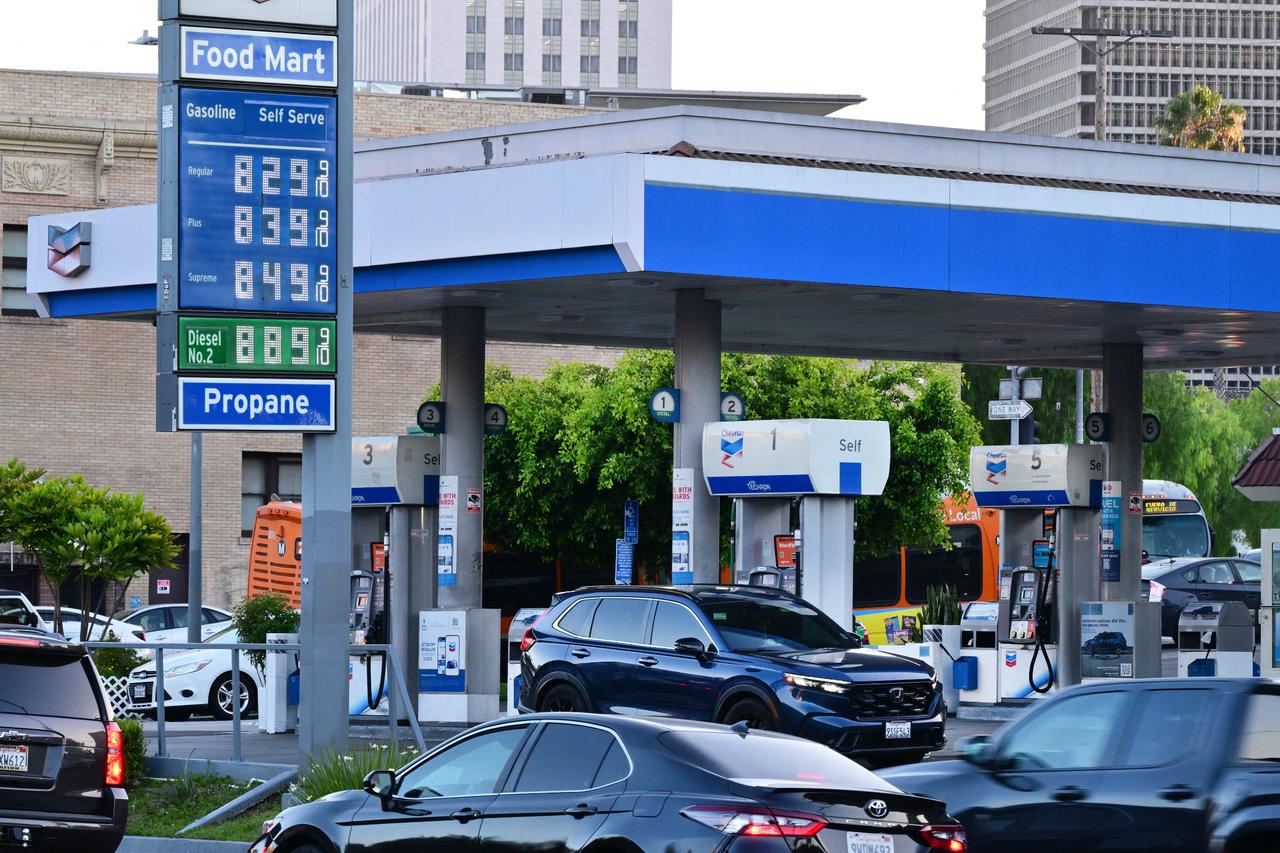
Critics immediately challenged the logic. Outside experts warned the measure pointed to an underestimation of Iran's economic resilience, and one analyst told NBC News that Washington appeared to be "funding a war against itself." Oil markets were unpersuaded by the intervention, with international Brent crude trading near $111 and up roughly 84 percent for the year by late March.
United Airlines CEO Scott Kirby wrote to employees that the company was planning around oil reaching $175 per barrel, with prices not returning below $100 until at least the end of 2027, according to reports, signaling how deeply energy markets had repriced risk.


 Set as preferred source
 Set as preferred source


 1 min read