Newsletters


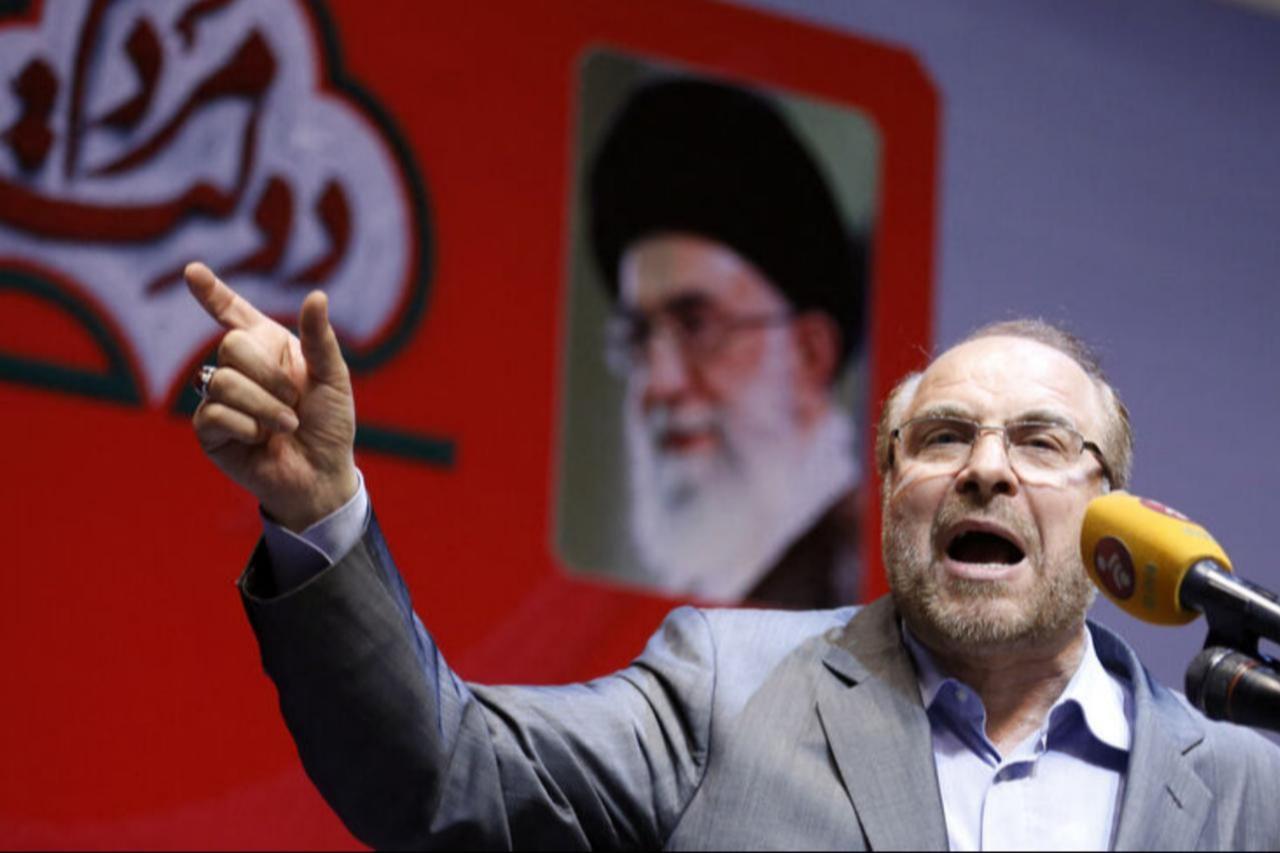


Iran's parliament speaker Mohammad Bagher Ghalibaf leveled an accusation of "Zionist warmongering" across all active fronts on Wednesday, warning that the Strait of Hormuz cannot be reopened while what he described as a maritime blockade and Israeli military aggression remain in place, in his most direct public challenge yet to the conditions surrounding the fragile ceasefire.
Writing on X, Ghalibaf said a ceasefire "only makes sense" if it is not undermined by the naval blockade, the "hostage-taking of the world's economy," and continued Israeli military activity. He declared that reopening the strategically vital waterway was impossible given what he called a flagrant breach of ceasefire terms.
The remarks come as Ghalibaf serves as the public face of Iran's wartime diplomatic effort, co-leading ceasefire negotiations with Foreign Minister Abbas Araghchi following the deaths of Supreme Leader Ali Khamenei and security chief Ali Larijani in earlier hostilities.

Ghalibaf pushed back sharply against what he framed as coercive pressure, writing that adversaries had failed through military force and would not succeed through "bullying" either. The only viable path forward, he said, was recognizing the rights of the Iranian people.
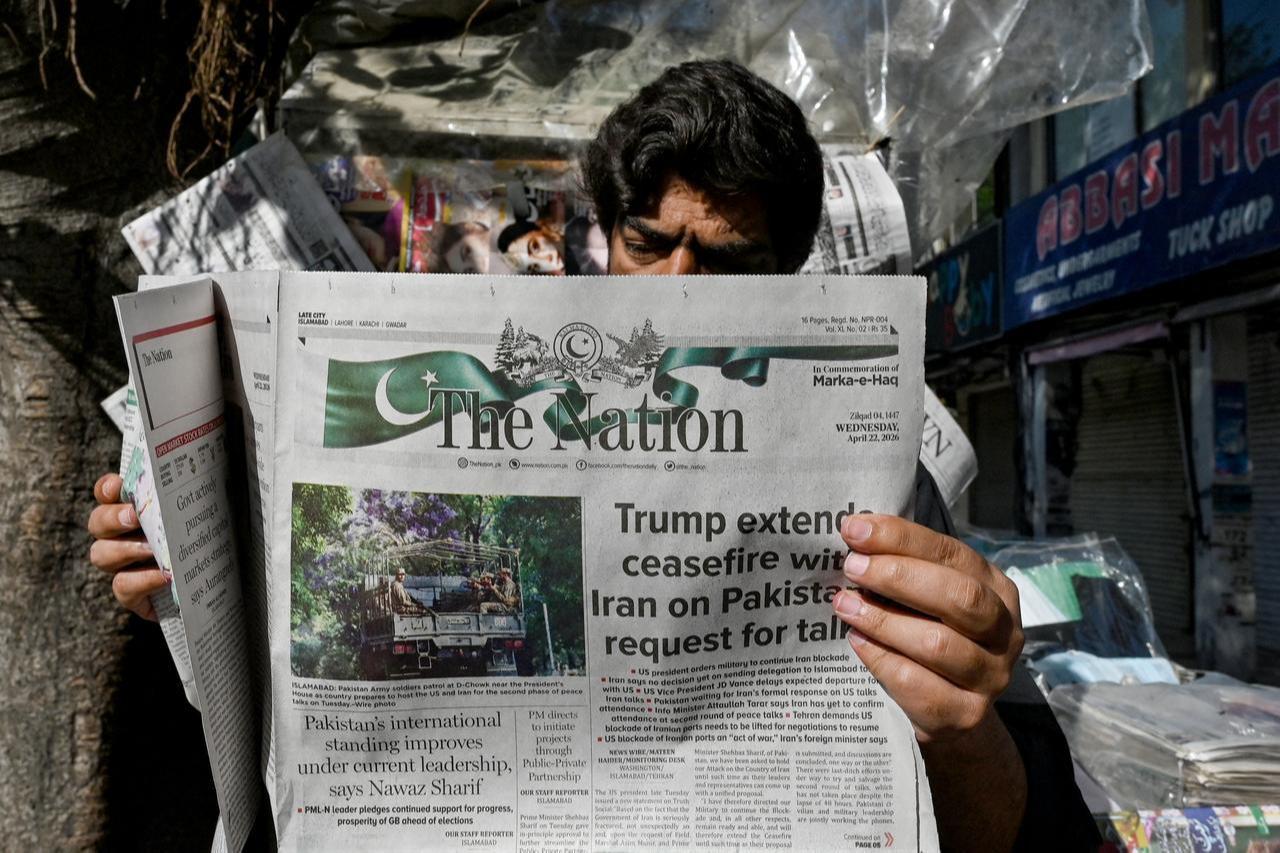
The statement reflects a posture Tehran's negotiating team has maintained throughout the diplomatic process, insisting that any framework must address what Iran regards as ongoing ceasefire violations, including the U.S. naval presence in the region. President Donald Trump has separately accused Iran of failing to reopen the strait, calling the conduct dishonorable.
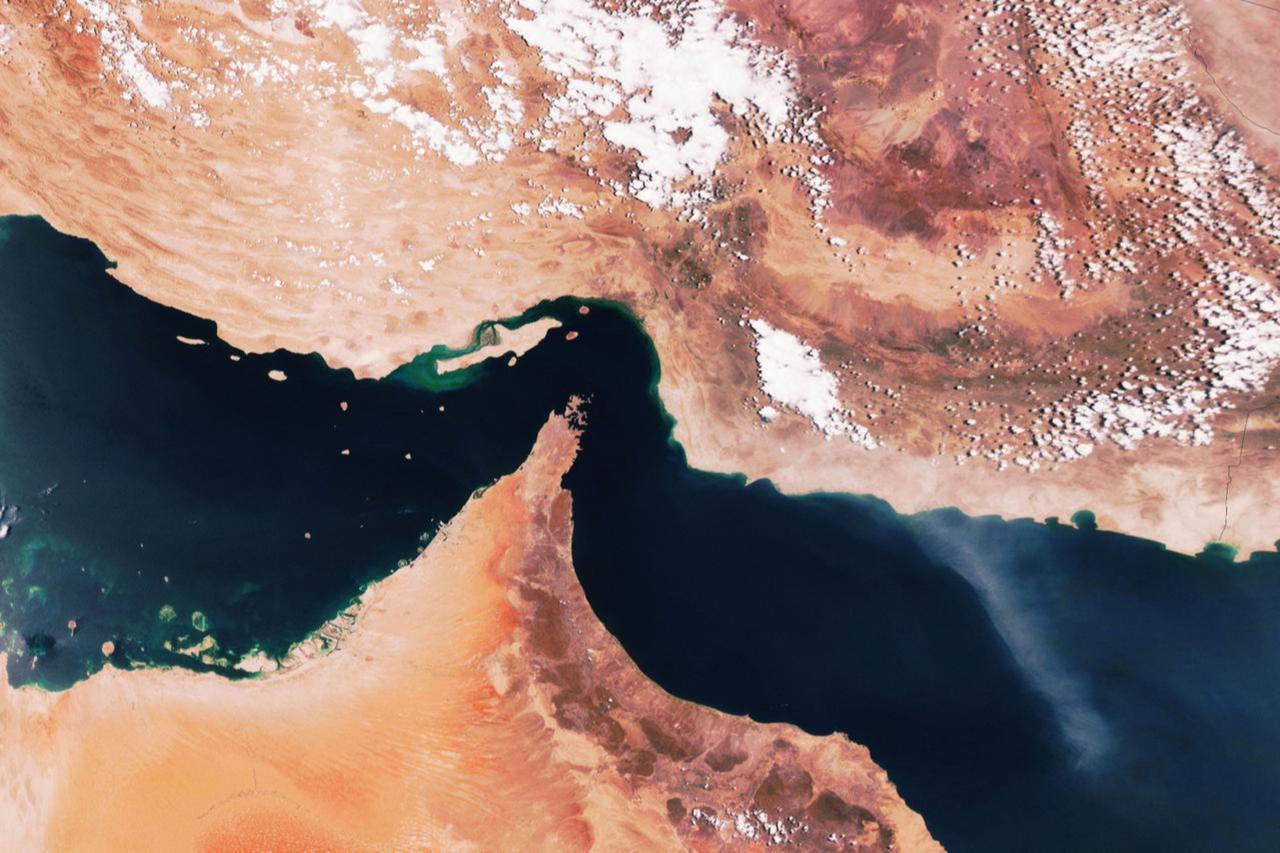
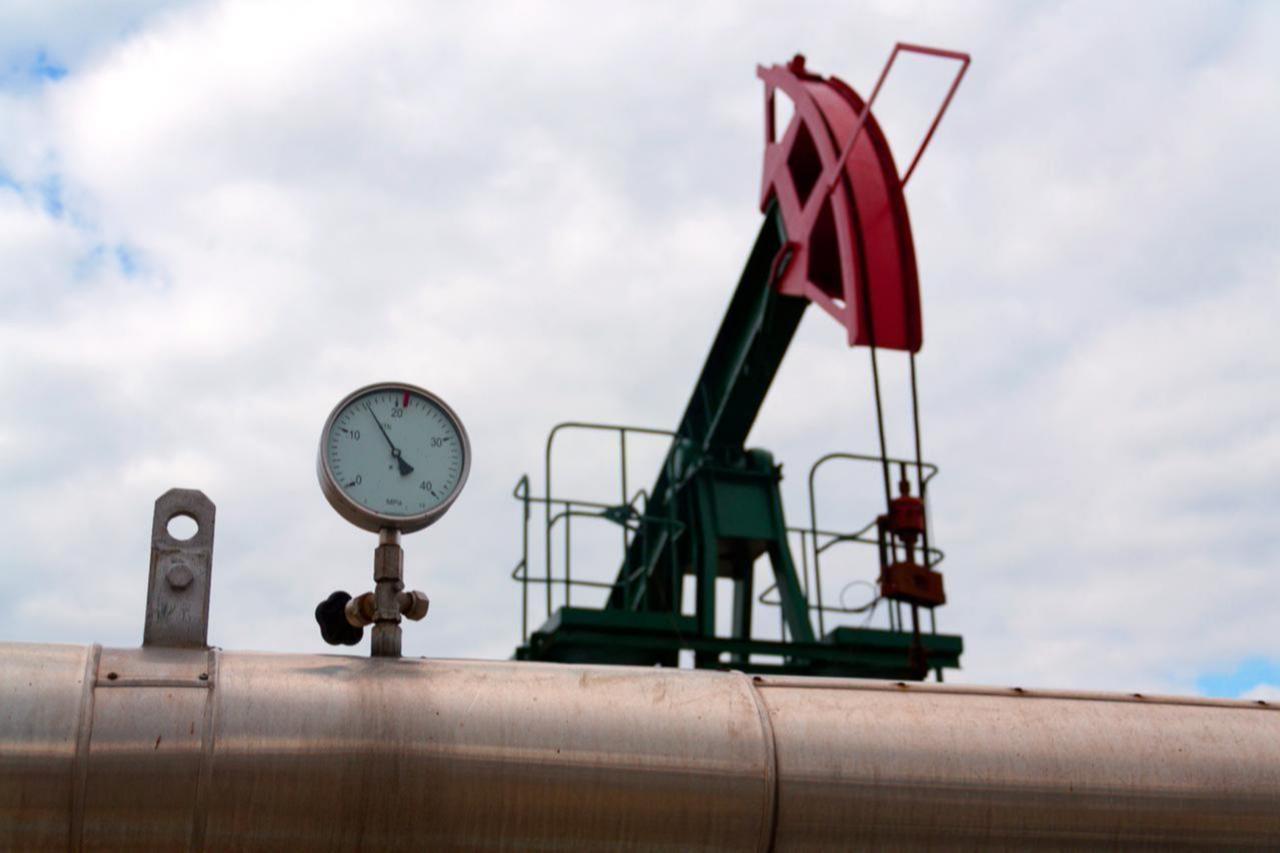
The Strait of Hormuz, a narrow chokepoint between the Gulf of Oman and the Persian Gulf, carries a significant share of the world's seaborne oil exports, making its closure one of Iran's most consequential pressure points in the current conflict.
Ghalibaf's public broadside arrives amid mounting evidence of friction within Tehran's wartime leadership. Iran International reported that he has voiced concern about both his own position and that of Araghchi, warning that hardline domestic figures, including politician Saeed Jalili, risk destroying Iran by opposing the talks, and singling out opponents of negotiations as "extremists."
Reports from multiple outlets indicate that both Ghalibaf and Araghchi face constraints from IRGC Commander Ahmad Vahidi, who has argued that under wartime conditions key decisions must remain under Revolutionary Guard control. American officials have also privately told CNN that uncertainty over who can ultimately sign off on any deal has complicated the negotiations considerably.
Unverified speculation circulating on X this week claimed that Ghalibaf, Araghchi, and President Masoud Pezeshkian had been placed under house arrest by the IRGC in what one Saudi analyst described as an internal revolutionary coup.
No credible news organization has confirmed these claims, and no official Iranian source has addressed them. The rumors appear to have spread rapidly on social media given the opacity of Iran's wartime governance and the well-documented tensions between the civilian negotiating team and the Revolutionary Guards.
Ghalibaf's post on X, published Wednesday, stands as the most recent direct public communication from him. Both he and Araghchi were reportedly removed from an Israeli targeting list last month following a Pakistani intervention with Washington, underscoring the fragility of the diplomatic track the two men represent.


 Set as preferred source
 Set as preferred source


 1 min read
 1 min read