Newsletters




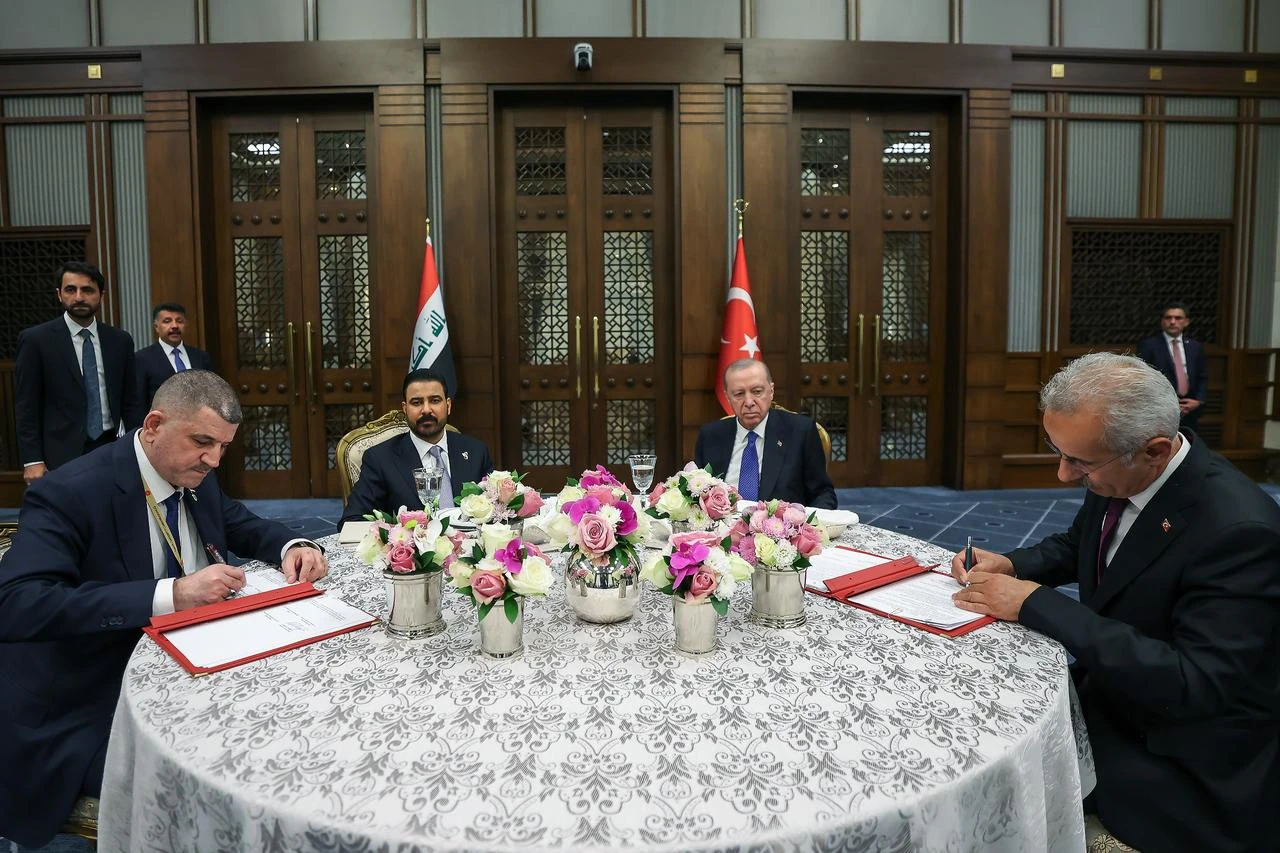
Iraq has formally requested that Türkiye extend the existing Kirkuk-Ceyhan oil pipeline agreement by at least one year, seeking additional time to negotiate a replacement framework before the current accord expires next month, according to a statement from state oil marketer SOMO.
The request comes as Ankara and Baghdad continue discussions over the future of the pipeline, one of Iraq's key export routes to global markets. The current agreement, originally signed in 1973, is set to expire on July 27 after Türkiye decided last year not to renew it under its existing terms.
SOMO chief Ali Nizar said Iraq submitted a proposal to keep the agreement in force, as the two countries have been working on a new draft to govern crude shipments through Türkiye's Mediterranean terminal at Ceyhan.
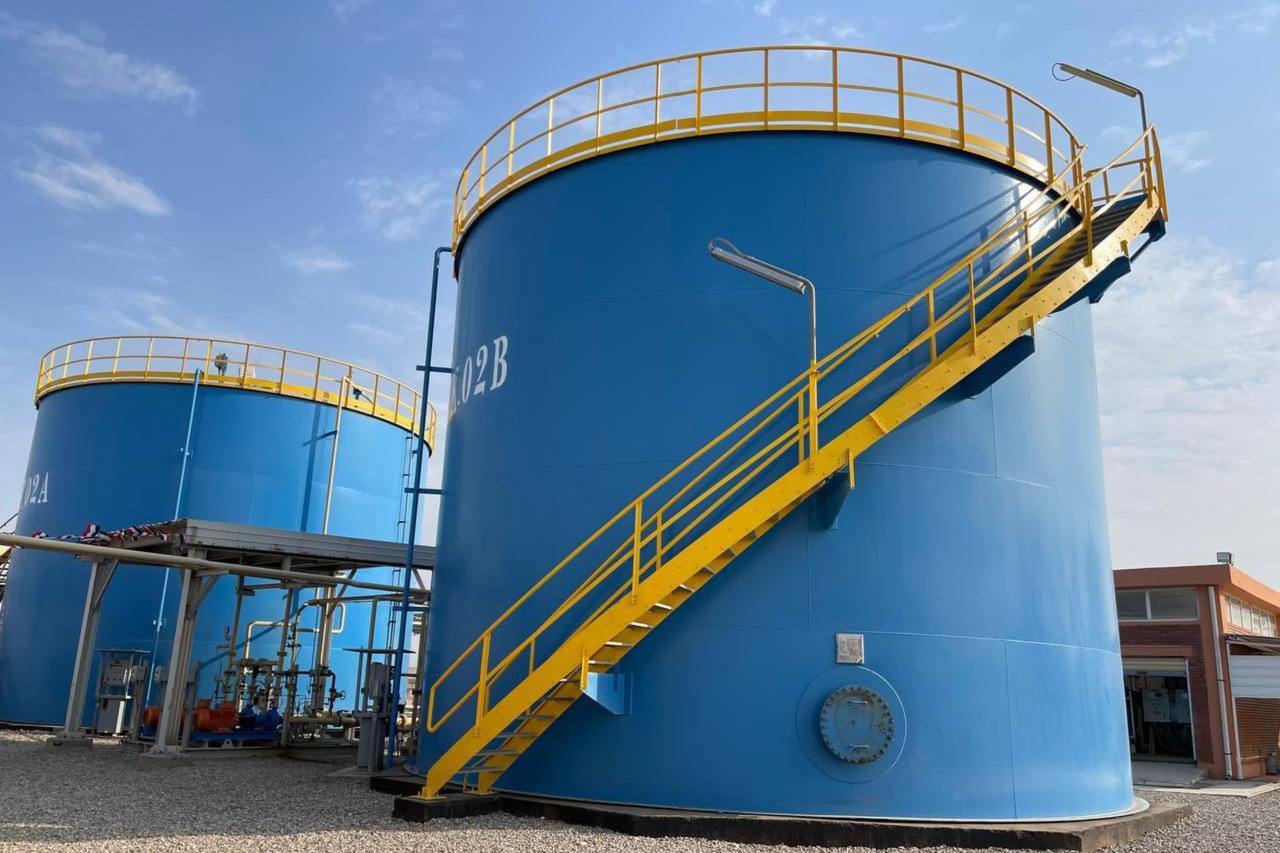
Türkiye is seeking provisions to increase the use of infrastructure that has long operated below capacity, Energy and Natural Resources Minister Alparslan Bayraktar had stated previously. Bayraktar has argued that any replacement agreement should include a mechanism ensuring fuller use of the pipeline, which can transport up to 1.5 million barrels of crude per day.
"The Türkiye-Iraq Crude Oil Pipeline has a capacity of 1.5 million barrels per day. Even when oil was flowing through the line, it never operated at full capacity," Bayraktar said last year after Türkiye told Iraq it would not keep the agreement in place beyond its expiration date.
"Türkiye has invested heavily in maintaining the route over the years," he noted, adding that Ankara expects the new framework to create conditions that allow the system to operate more efficiently.
Following disruptions around the Strait of Hormuz during the Iran war, Bayraktar backed extending the pipeline toward Basra, Iraq's largest oil-producing region, arguing that the corridor should eventually carry volumes beyond those produced in the country's northern fields.
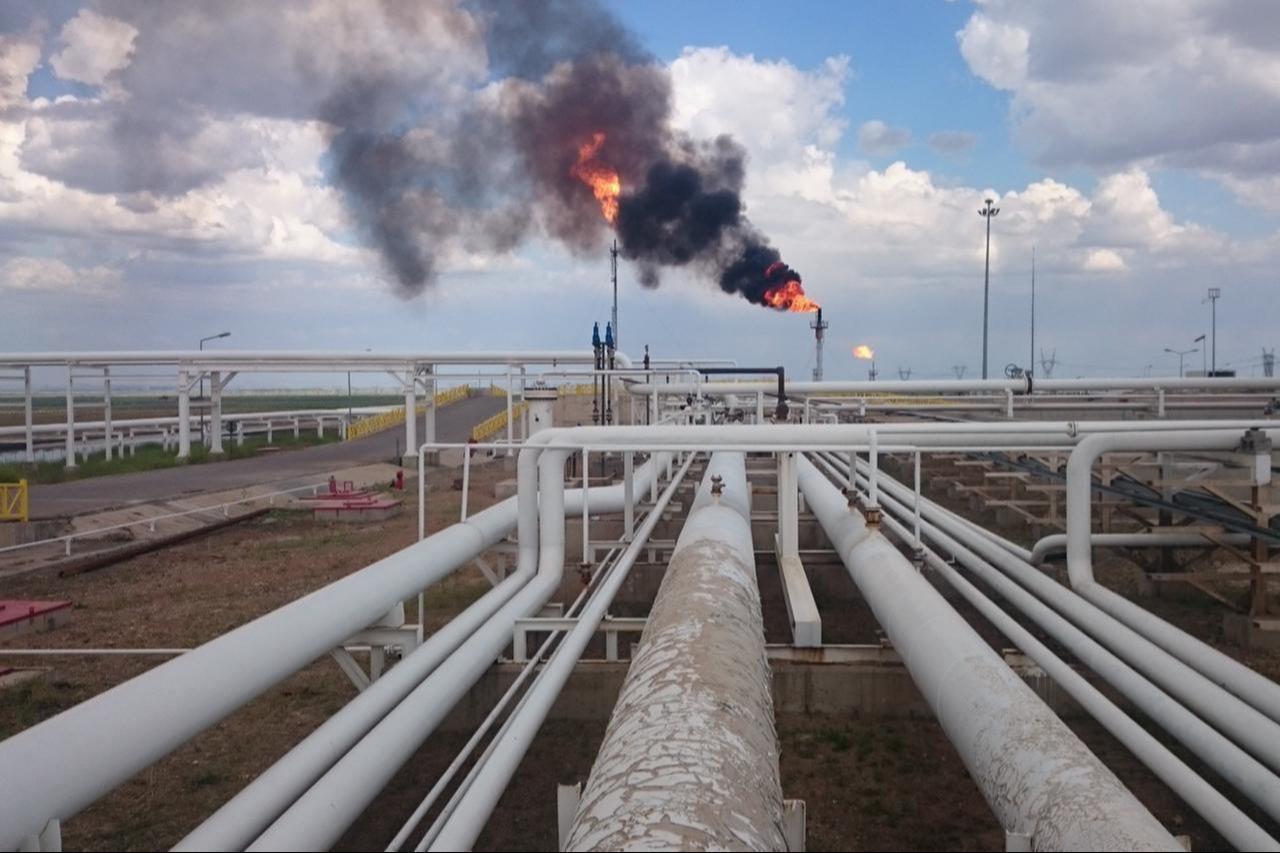

Recent tensions across the Persian Gulf have renewed attention on alternative export routes for Iraqi crude, giving fresh significance to negotiations over the Kirkuk-Ceyhan corridor.
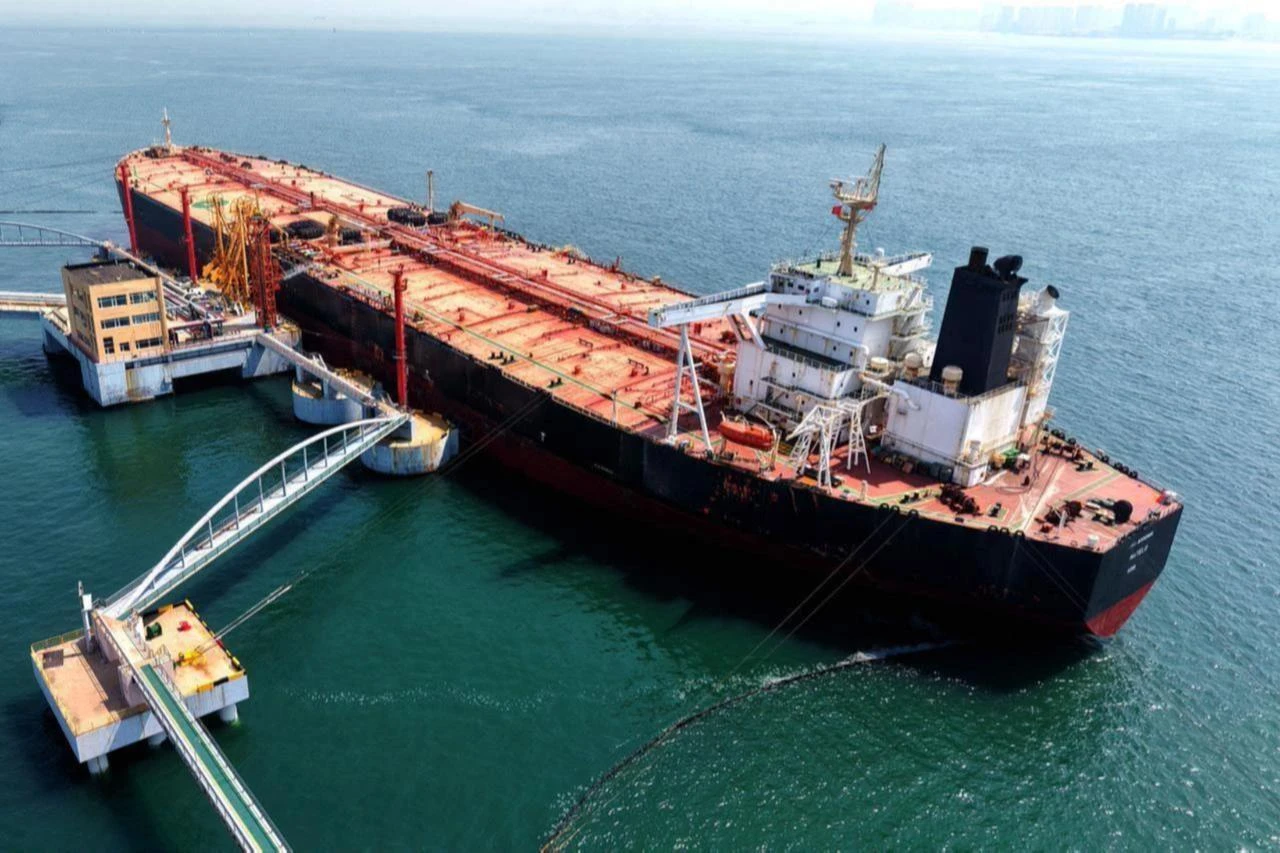
The Strait of Hormuz carries an estimated 80% to 90% of Iraq's oil exports. During the conflict, Iraq's exports through the waterway plunged to 10 million barrels in April from roughly 93 million barrels a month before the war.
In March, Baghdad and Erbil agreed to route part of Iraq's crude exports through northern infrastructure connected to Türkiye's Ceyhan terminal, beginning with 250,000 barrels per day. Iraqi authorities announced plans in early June to raise flows to 770,000 barrels per day within two and a half months.
The Iraqi government is also pursuing a broader diversification strategy through a proposed $5 billion pipeline connecting Basra and Haditha. The project would link southern oil fields to export terminals in Türkiye's Ceyhan, Syria's Baniyas and Jordan's Aqaba, eventually carrying up to 2.5 million barrels per day.
Officials are simultaneously working to restore the damaged direct Kirkuk-Ceyhan connection as part of wider efforts to strengthen the country's export network.


 Set as preferred source
 Set as preferred source


 1 min read
 1 min read