Newsletters


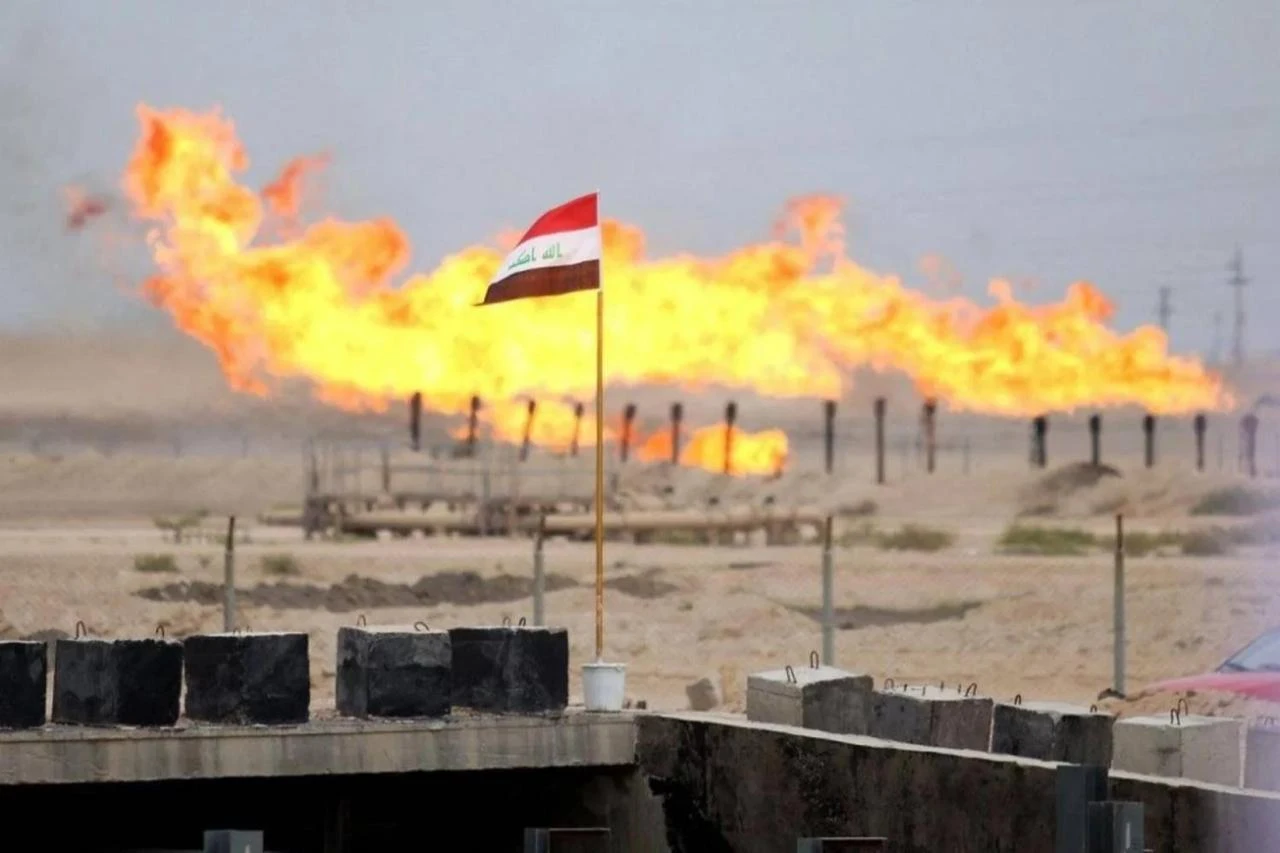


Iraq and Jordan committed to stepping up efforts to fast-track the Basra-Aqaba Strategic Oil Pipeline Project, one of the largest joint energy ventures between the neighboring countries, following high-level talks in Baghdad on Thursday.
Iraqi Prime Minister Ali Al-Zaidi met with a Jordanian ministerial delegation led by Industry, Trade and Supply Minister Yarub Al-Qudah, with discussions focused on advancing the long-delayed project and broadening cooperation across several economic sectors, according to a statement.
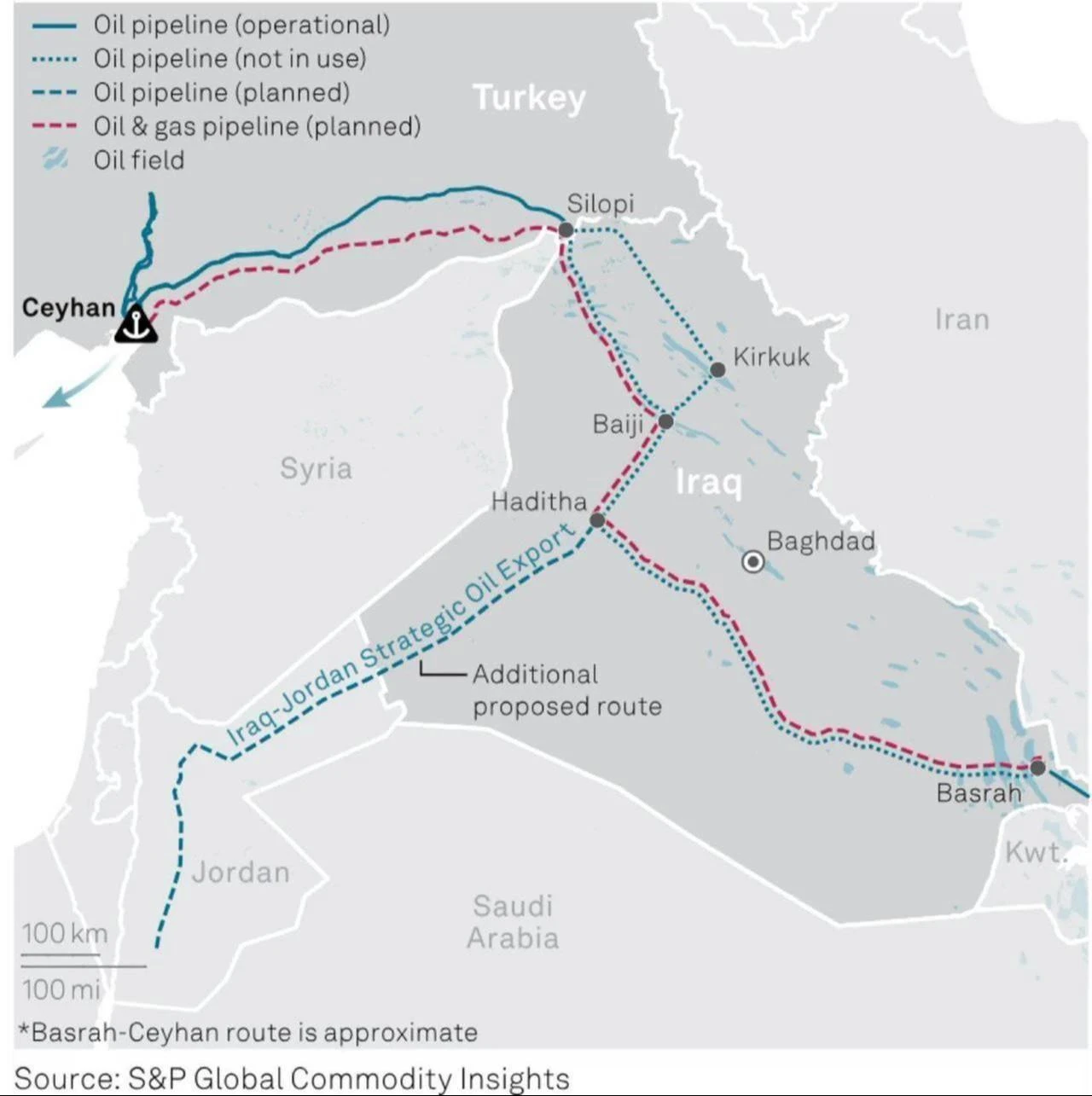
Planned to run 1,700 kilometers (1,056 miles), the pipeline is designed to carry up to 2.5 million barrels of crude oil per day from Iraq's southern city of Basra to the Jordanian Red Sea port of Aqaba. Construction on the project got underway last year.
The Basra-Aqaba pipeline is intended to diversify Iraq's crude export routes by reducing its reliance on Gulf export terminals and giving the country direct access to Jordan's Red Sea port of Aqaba.
The project is expected to strengthen Iraq's energy security by providing an alternative route that bypasses potential disruptions in the Strait of Hormuz, while supplying Jordan with discounted crude oil and generating transit revenues.
Iraq's cabinet approved the pipeline agreement on Jan. 11, 2022, and later allocated funding for the project in its 2024 budget. In late 2024, it also approved a separate IQD 5.97 trillion ($4.6 billion) contract for the Basra-Haditha section, a key component designed to replace Iraq's aging Strategic Pipeline and pave the way for future exports through Aqaba.
The Haditha section plays a central role in the project. Earlier plans envisioned a pipeline carrying up to 2.5 million barrels per day (bpd) from Basra to the K-3 pumping station near Haditha in Iraq's Anbar province, before a second line with a capacity of about 1 million bpd continues to Aqaba.

Beyond the pipeline, both sides looked at ways to deepen ties in industry, transport and investment while also discussing measures to simplify visa procedures for business travelers between the two countries, according to the Iraqi prime minister's office.
Zaidi described Jordan as a vital strategic partner for Iraq and noted that Baghdad aims to expand trade, investment and economic cooperation in the next phase. The Jordanian delegation also delivered congratulations from King Abdullah II ibn Al-Hussein and Prime Minister Jafar Hassan on the formation of Iraq's government, along with an official invitation for the Iraqi premier to visit Jordan.
Qudah reaffirmed Jordan's support for Iraq and praised the country's progress in fighting corruption, carrying out economic reforms and improving its investment climate, adding that those efforts help strengthen cooperation between the two nations.


 Set as preferred source
 Set as preferred source


 1 min read
 1 min read