Newsletters




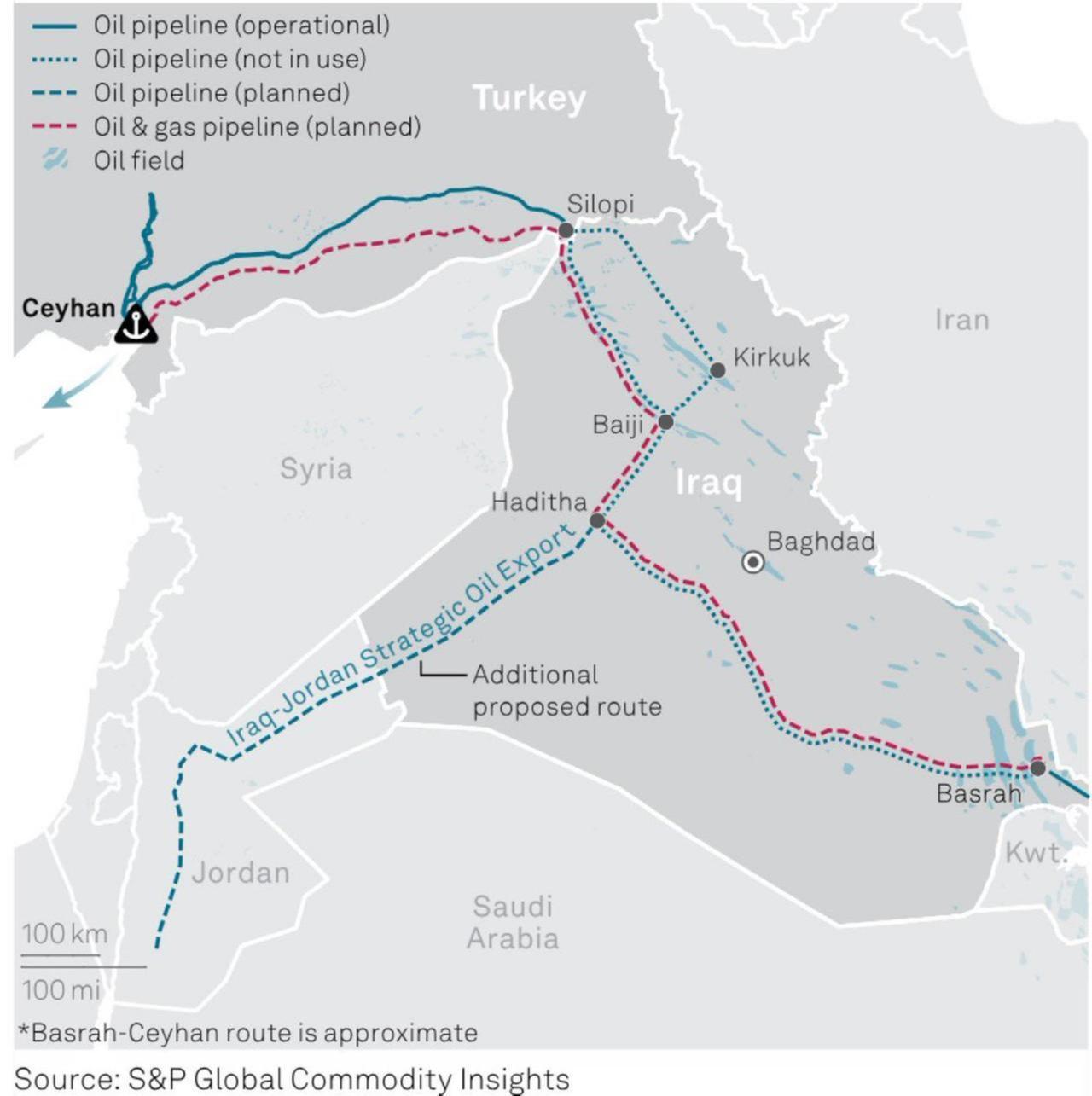
Iraq is closing in on restarting crude shipments through the Kirkuk-Ceyhan pipeline while rolling out a major new pipeline project linking Basra to Haditha, extending oil exports to Türkiye, Jordan and Syria, Iraq's oil ministry confirmed on Friday.
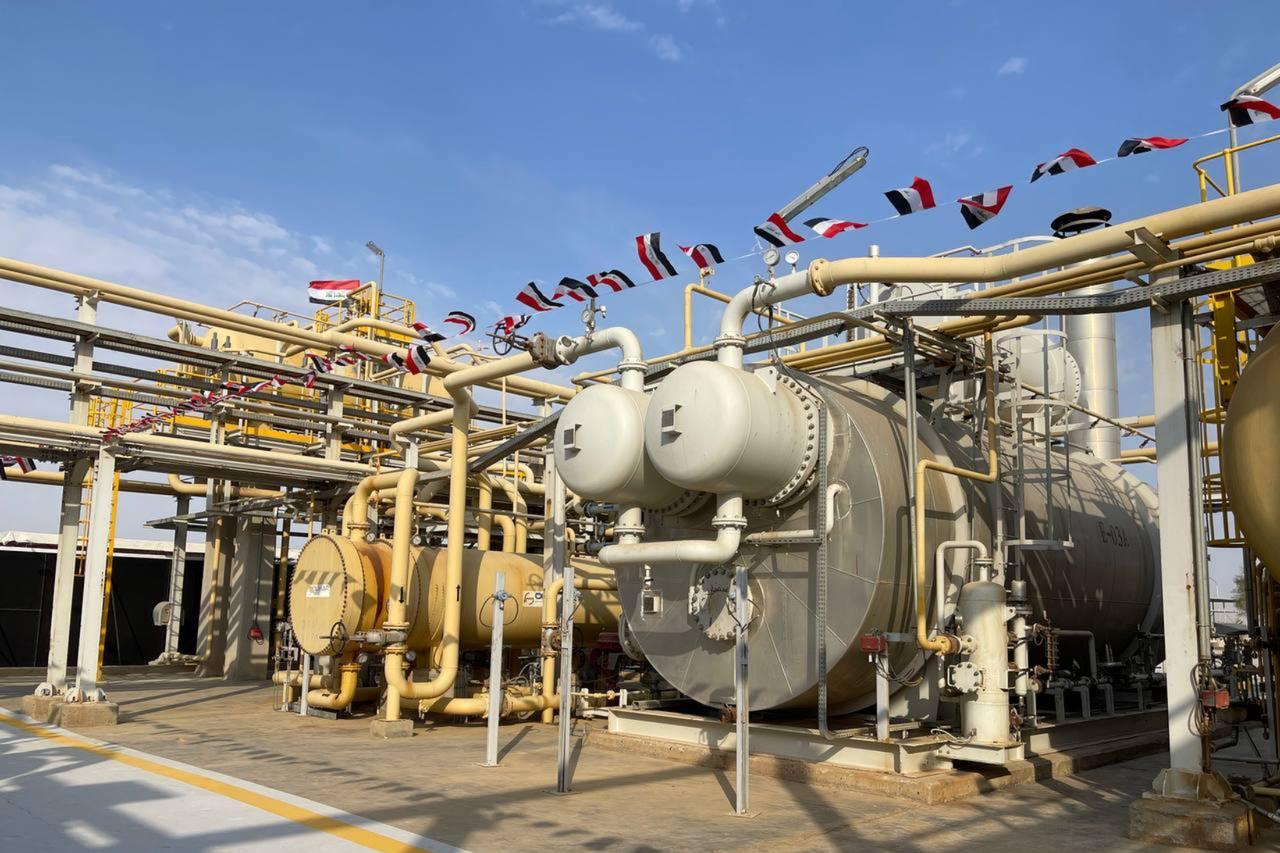
An official statement indicated that maintenance and repair work on the Kirkuk-Ceyhan line is in its final phase, setting the stage for exports to resume soon at up to 600,000 barrels per day.
The ministry highlighted that the pipeline’s return as a key step in strengthening Iraq’s export flexibility, calling it a strategic alternative route that would support the stability of national oil flows.
The line, which has a design capacity exceeding 1 million barrels per day (bpd), suffered extensive damage in 2014 following Daesh attacks, the ministry noted.
Flows through the Kurdish Regional Government’s pipeline linking to Ceyhan will also continue at around 400,000 bpd since resuming in March during the Hormuz crisis.
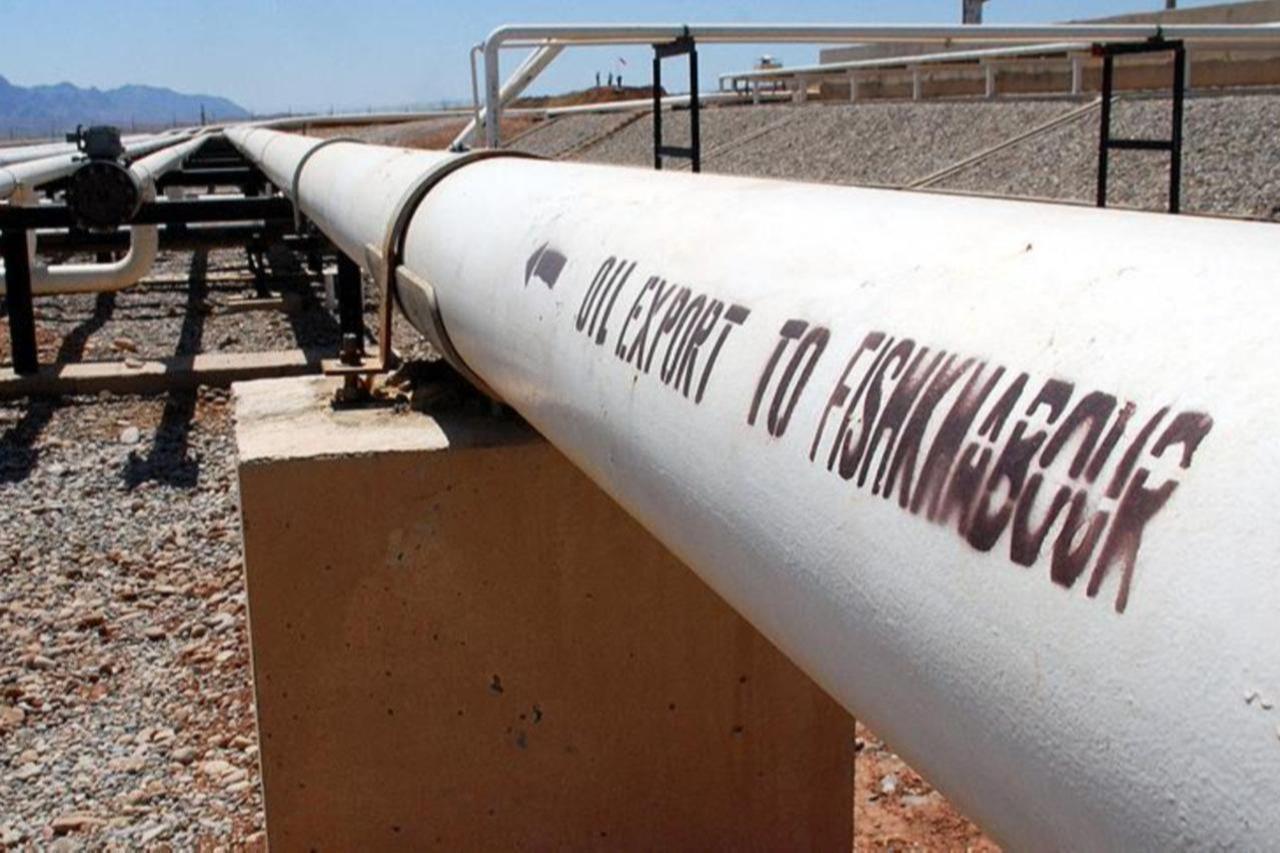

At the same time, Iraq has kicked off work on the Basra-Haditha pipeline, a large-scale infrastructure project designed to expand export capacity across multiple routes, with total costs expected to reach $5 billion once fully operational.
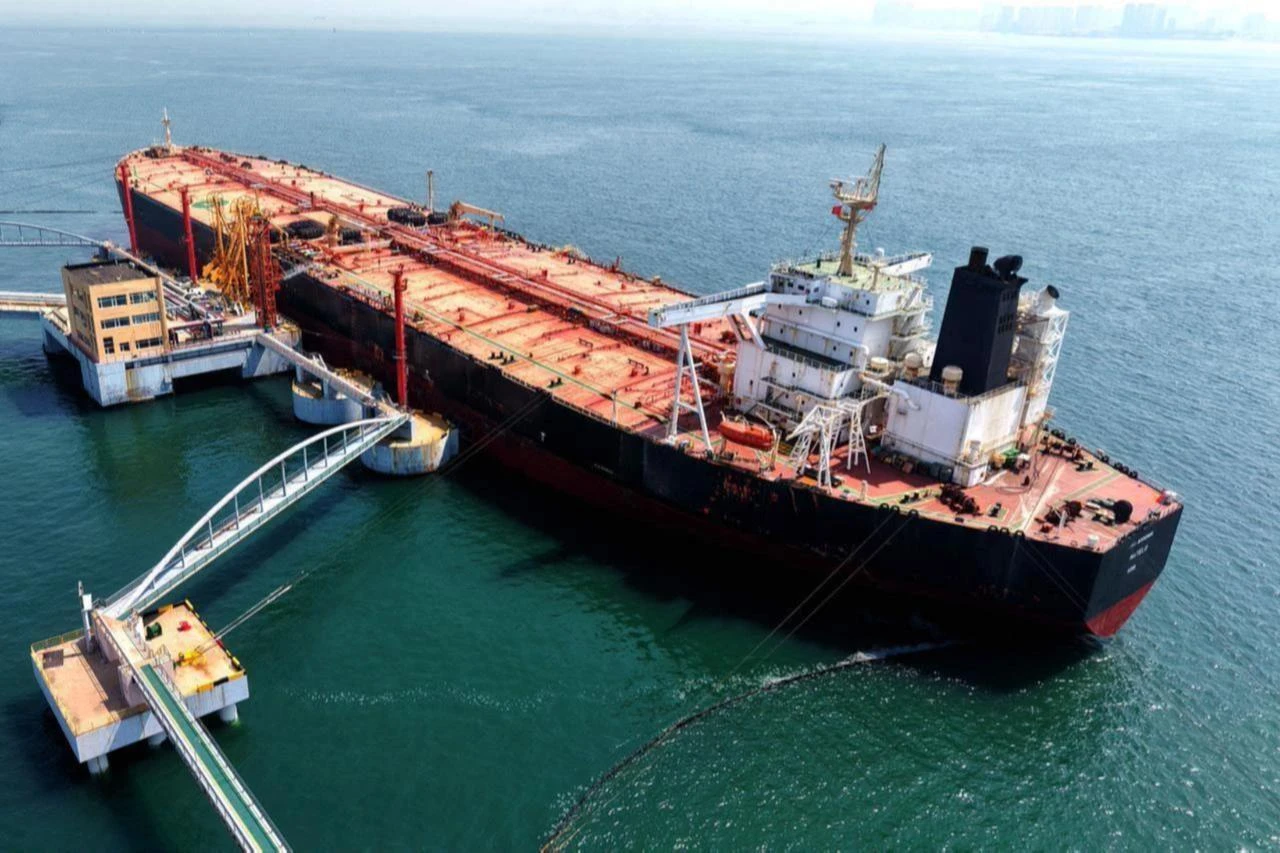
The planned 700-kilometer pipeline is expected to carry up to 2.5 million bpd once completed. It will link southern oil fields with export terminals across three directions: Türkiye’s Ceyhan port, Syria’s Baniyas, and Jordan’s Aqaba.
The first phase of the project carries a $1.5 billion price tag, with work already underway. However, ministry spokesperson Sahib Al-Bazoun made it clear that progress will hinge on securing sufficient financial allocations.
Completion timelines depend on budget approvals expected to be handled by the next Iraqi government, which is set to finalize procedures aimed at speeding up implementation.
As shipping through the Strait of Hormuz has nearly come to a halt since the U.S.-Israeli attacks on Iran began on Feb. 28, most of Iraq’s oil exports have been cut off.
Before the war, the country exported around 3.4 million bpd, but that volume has dropped by about 80% to roughly 800,000 bpd, despite Baghdad receiving an exemption from Iran to transit the strait.
Once finished, the Basra-Haditha pipeline is expected to significantly diversify Iraq’s export network, allowing crude to move through multiple regional routes and reducing reliance on any single corridor, Bazoun added.


 Set as preferred source
 Set as preferred source


 1 min read
 1 min read