Newsletters


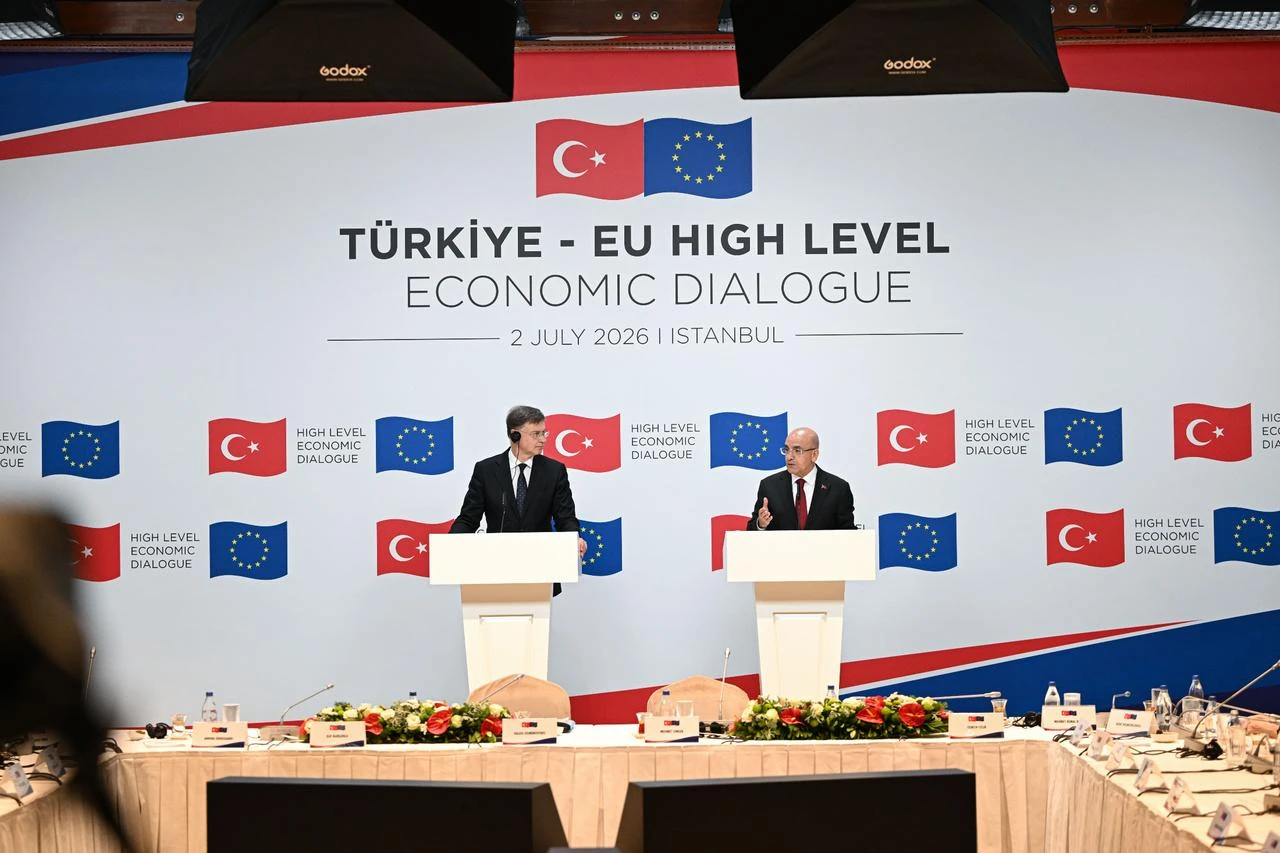


Türkiye has formally notified European authorities of its intent to join the Single Euro Payments Area, known as SEPA, Treasury and Finance Minister Mehmet Simsek announced Wednesday, a move that would integrate the country into the EU's standardized cross-border payments framework and mark one of the most tangible steps in Ankara's push to deepen economic ties with the bloc.
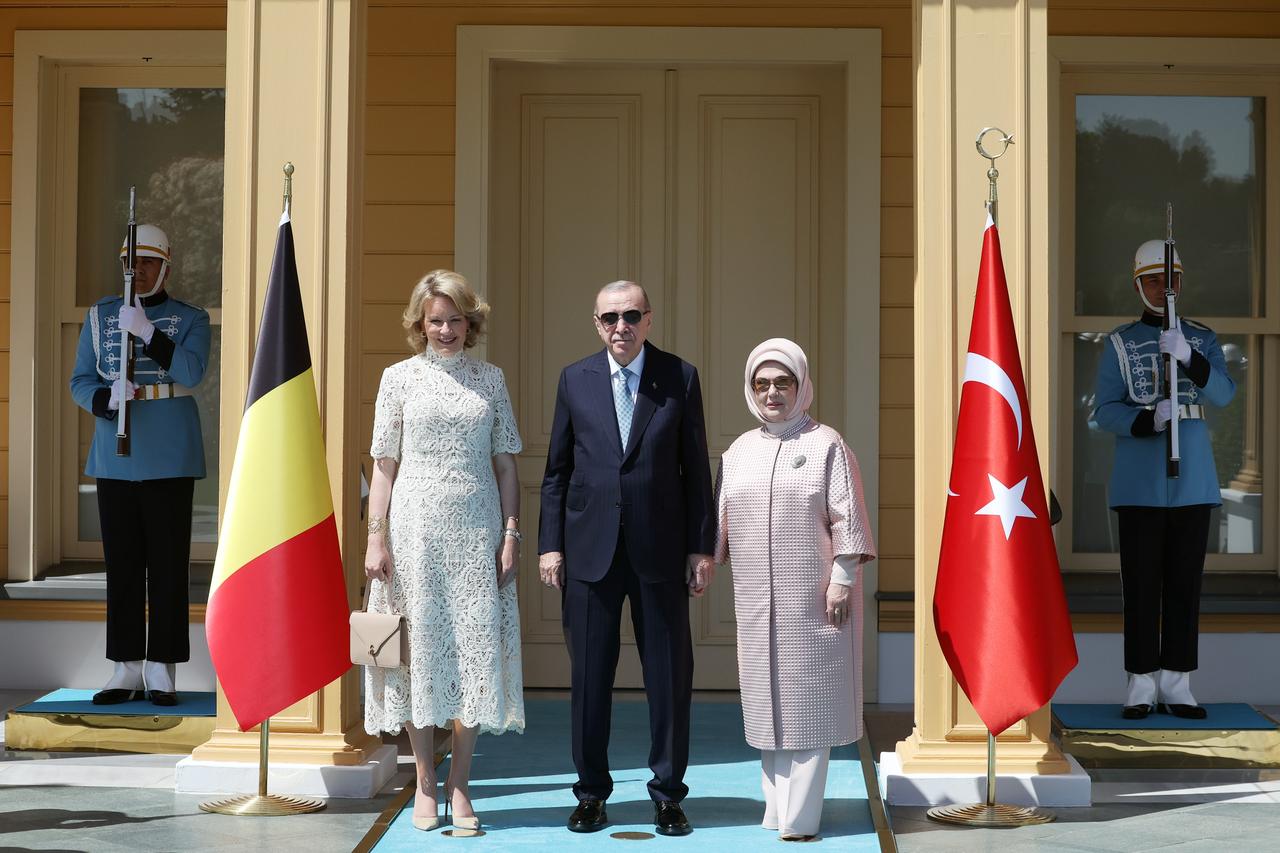
Simsek made the announcement at a joint press conference with European Commission Executive Vice President for the Economy Valdis Dombrovskis at the Dolmabahce Presidential Working Office in Istanbul, at the close of the Türkiye-EU High-Level Economic Dialogue, a forum revived last year in Brussels after a six-year pause.

SEPA is an EU-led integration project that standardizes euro-denominated bank transfers, direct debits and card transactions across its 41 member countries, making cross-border payments as straightforward and low-cost as domestic ones, using the IBAN format.
Membership is not limited to EU states; several non-EU countries, including Switzerland, Norway and the United Kingdom, participate in the system.
Simsek said SEPA membership would make cross-border transactions faster, more secure and less expensive, and would directly strengthen the competitiveness of Turkish companies. "I hope this process is completed as soon as possible," he said.
Dombrovskis welcomed the announcement, describing Türkiye's formal declaration of intent as a positive development and saying it illustrated the broader role that financial integration could play in converting shared political goals into concrete outcomes.
Alongside the SEPA announcement, the modernization of the Türkiye-EU customs union dominated the agenda. The customs union, which has underpinned the bulk of bilateral trade since 1996, covers industrial goods but excludes services, digital trade, public procurement and agriculture, sectors that have grown substantially in economic weight since the agreement was drafted.
Simsek described this as an increasingly visible asymmetry: as the EU has expanded its network of trade agreements with third countries, Türkiye remains bound by the same framework without equivalent access to those deals.
"We see the modernization of the customs union not as a technical update but as a strategic necessity," he said. Dombrovskis noted that bilateral trade between Türkiye and the EU exceeded 217 billion euros in 2025, a record, with Türkiye holding its position as the bloc's fifth-largest trading partner, a figure both sides said underscored the urgency of updating the legal framework governing that relationship.
Simsek also flagged the EU's proposed Industrial Acceleration Act, which he said included a welcome provision recognizing goods made in Türkiye as equivalent to EU-origin products, but said certain ambiguities in the automotive sector still needed to be addressed. Türkiye's automotive industry is deeply embedded in European supply chains.
He added that Ankara intends to amend its Public Procurement Law to grant EU companies equal access on a reciprocity basis, strengthening the economic partnership on a firmer legal footing.
On visa liberalization, Simsek noted that progress in the long-stalled process would give new momentum to economic ties and thanked the Commission for movement on the issue.
A third major theme of the day's sessions was physical and digital connectivity.
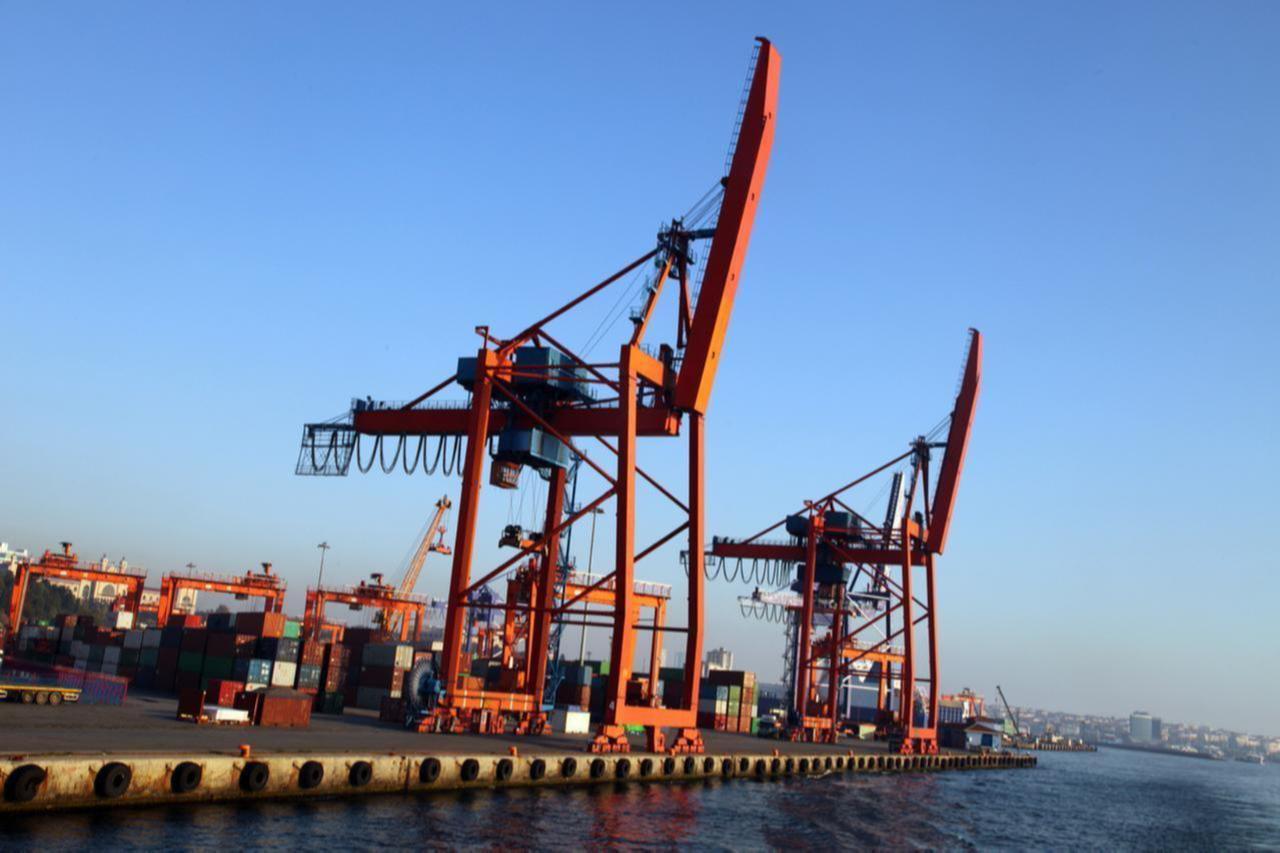
Simsek argued that new trade, energy and transport corridors had become strategic instruments, not merely logistical ones, and pointed to Türkiye's position at the crossroads of Europe, Asia and the Middle East as placing it naturally at the center of emerging routes, including the Middle Corridor overland trade route linking China to Europe through Central Asia and the Caucasus.
Dombrovskis cited the Istanbul Northern Railway Transit Project as an example of the infrastructure cooperation both sides should pursue, describing it as a major initiative that would strengthen logistics hubs across the Black Sea region and the South Caucasus and calling it a model of complementary financing by development banks.
He noted that Türkiye remains one of the largest countries of operation for the European Bank for Reconstruction and Development, with a portfolio exceeding 2.7 billion euros, and that the European Investment Bank has resumed an active presence in the country, focusing on clean energy and energy efficiency.
The sessions also brought together representatives of international financial institutions, business confederations, chambers of commerce and civil society. S
imsek said the government would take the private sector's input seriously and would continue working to improve the investment environment.
Dombrovskis framed the partnership in terms reaching beyond trade. "Türkiye is an EU candidate country, an important NATO ally and a key regional partner for security and stability," he said, adding that in a world facing growing fragmentation, building and sustaining strong, trust-based partnerships had become more important than ever.
Simsek closed by reaffirming that EU membership remains Türkiye's strategic goal and expressed hope that next year's session, to be held in Brussels, would bring new agenda items and measurable progress.


 Set as preferred source
 Set as preferred source


 1 min read
 1 min read