Newsletters




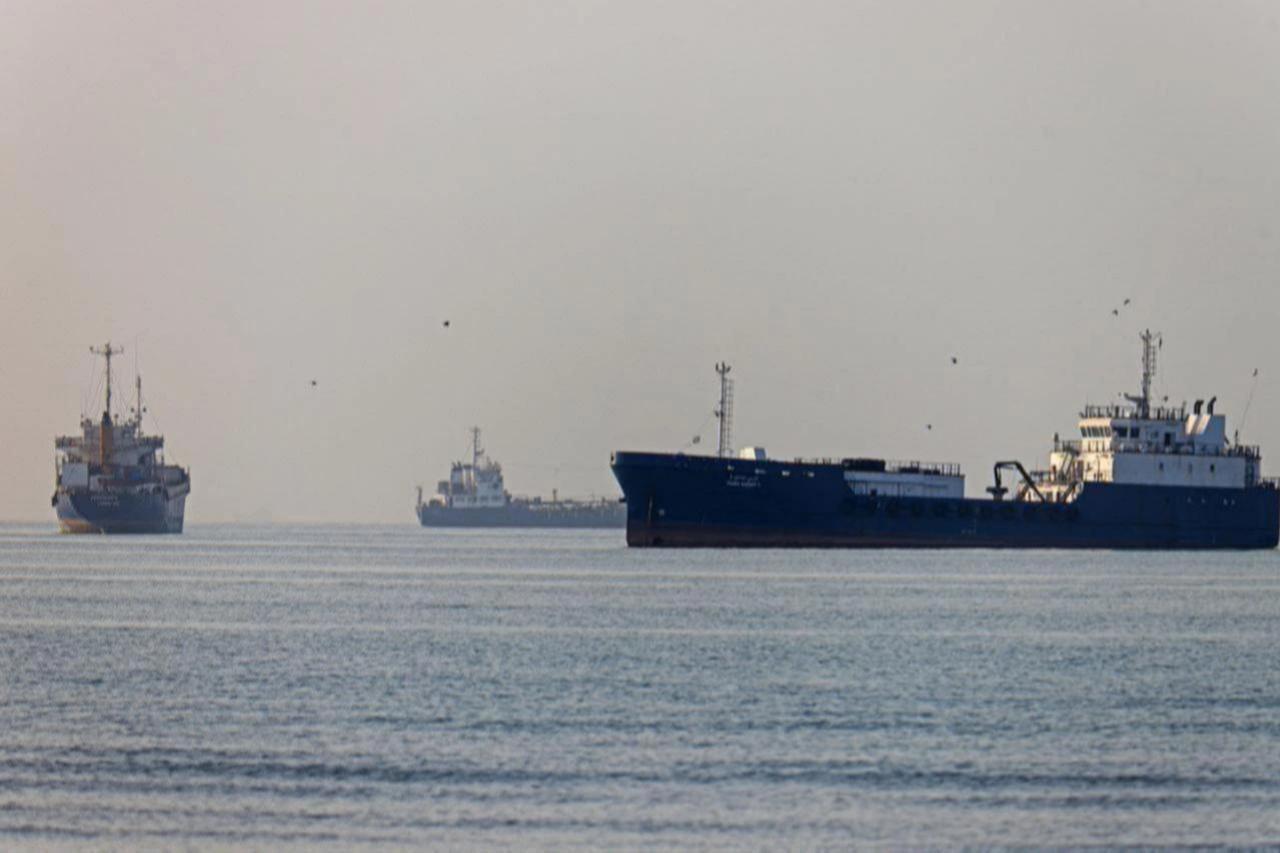
Iraq has suffered an estimated $60 billion in losses during the U.S.-Iran war as Tehran's restrictions on the Strait of Hormuz disrupt oil shipments and deepen the country's economic crisis.
Foreign Minister Fuad Hussein disclosed the losses during a meeting with his Italian counterpart in Rome on Thursday, according to a statement from Iraq's Foreign Ministry.
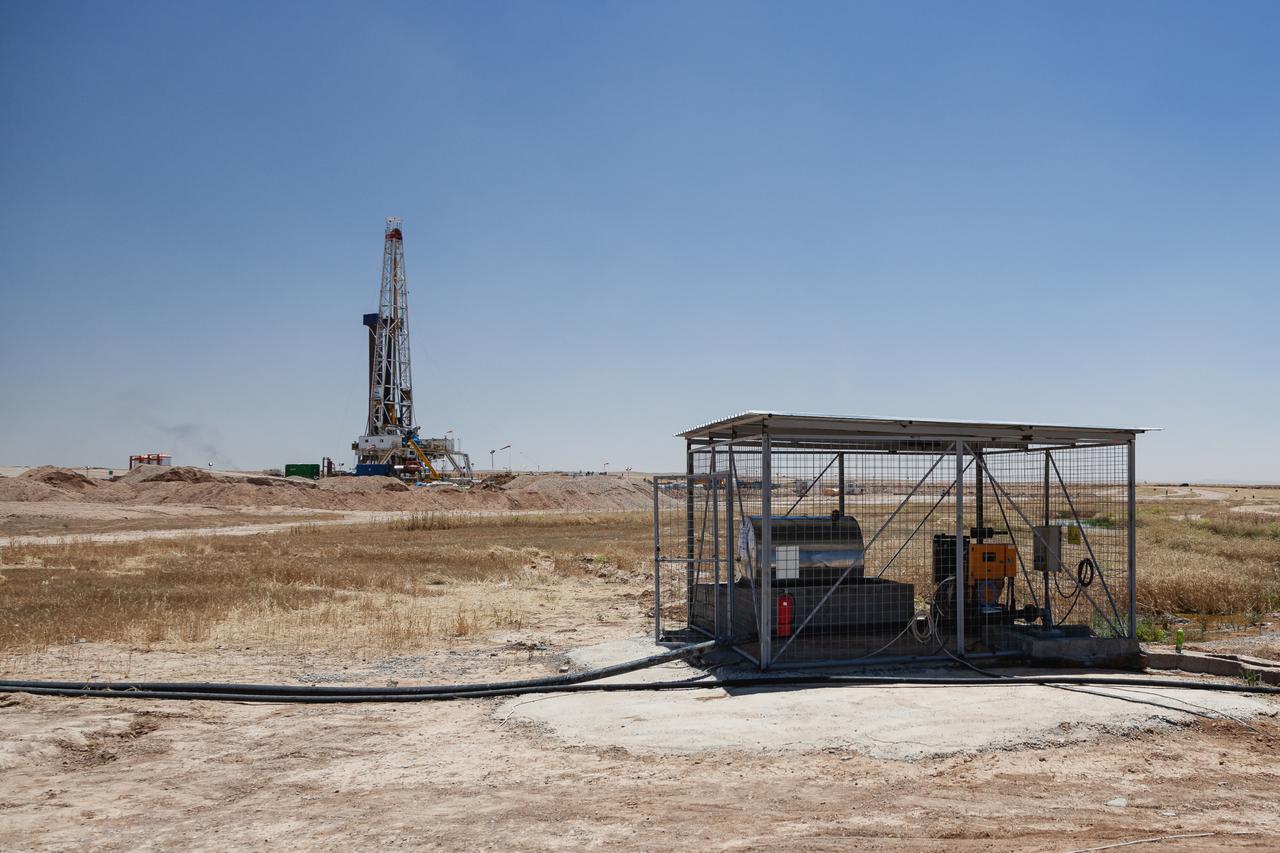
Before the conflict, Iraq, an OPEC member, produced about 4 million barrels of oil per day and exported roughly 3.5 million barrels, most of it shipped from southern Iraq through the Strait of Hormuz.
Iran's restrictions on the strategic waterway forced Iraq to cut most of its oil production because the country lacked sufficient storage capacity. Baghdad has since relied on limited exports through alternative routes, including trucks crossing Syria and pipeline running through Türkiye.
Oil exports, which generate about 90% of Iraq's government revenue, have rebounded modestly following a steep production decline. The country's oil ministry reported exports of 2.6 million barrels per day between Sept. 1 and 21, marking a partial recovery from the disruption.

The Central Bank of Iraq devalued the dinar against the US dollar last week, raising the official rate for public dollar sales to 1,520 dinars from 1,320, marking the first such move since 2023. The adjustment comes as disrupted oil exports squeeze government revenues and push up import costs.
Iraq's foreign currency reserves fell by $20.1 billion from the start of the year to Sept. 24, reaching $66.7 billion when calculated at the new exchange rate, according to Central Bank of Iraq data reported by Rudaw.
The country relies heavily on oil-generated foreign currency to finance imports, support the dinar and pay public sector employees and retirees. To reduce that dependence, Iraqi authorities aim to raise non-oil revenues from 10% to 45% by 2037, as they seek to diversify the economy beyond crude exports.
Baghdad is also working to diversify its oil export routes. Iraq and Türkiye signed a one-year agreement in August to transport at least 750,000 barrels of crude per day through the Kirkuk-Ceyhan pipeline, which connects northern Iraq to Türkiye's Mediterranean coast.
The two countries are now negotiating a broader, longer-term energy agreement, including plans to expand pipeline capacity and potentially extend the route to Basra in southern Iraq.
Iraq is also exploring a new pipeline linking Basra to Haditha and onward to Türkiye's Ceyhan port and Syria's Baniyas port, creating additional outlets for crude that would otherwise depend on Gulf shipping routes.


 Set as preferred source
 Set as preferred source


 1 min read
 1 min read