Newsletters


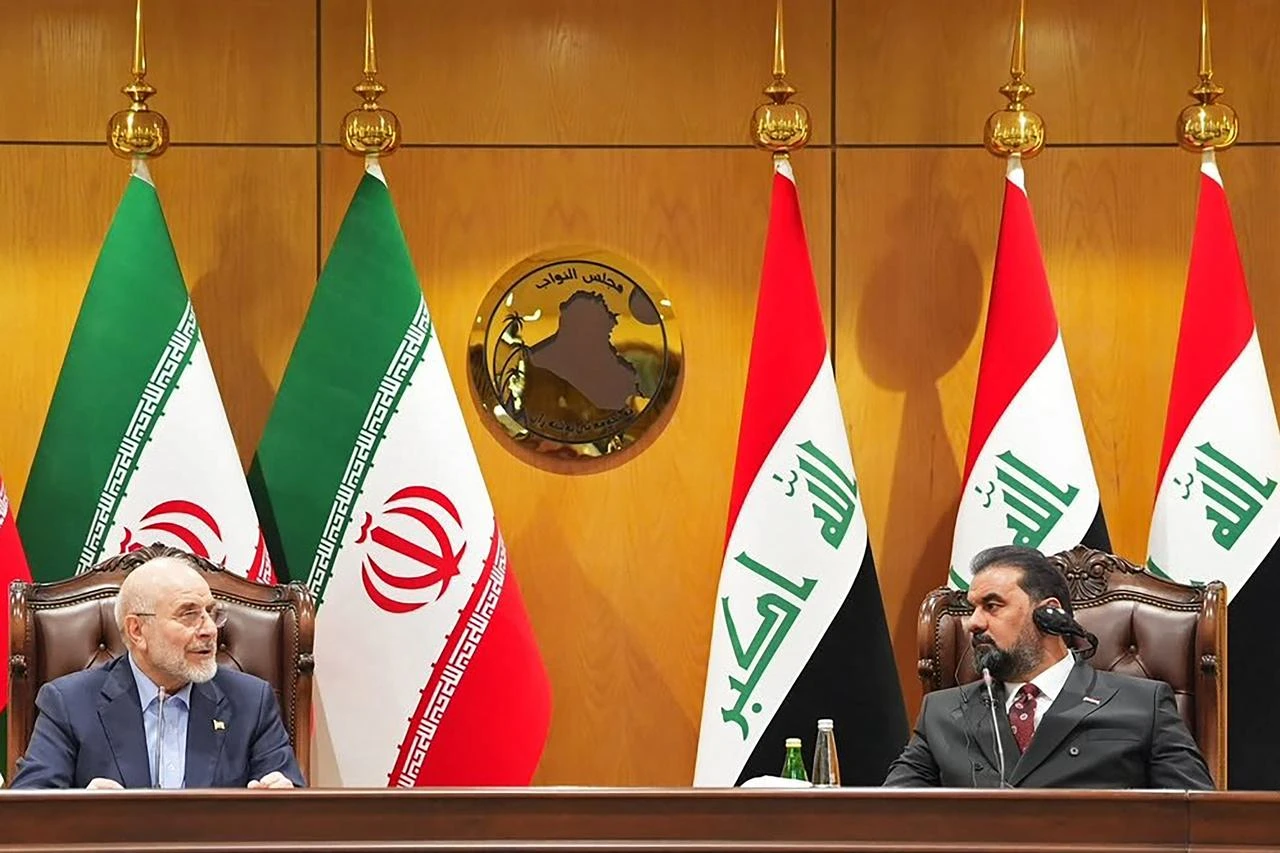


Iraq’s Parliament Speaker Haibat al-Halbousi asked his Iranian counterpart, Mohammad Bagher Ghalibaf, to give Iraq’s oil exports special consideration through the Strait of Hormuz, according to state media.
The issue was raised during Ghalibaf’s meeting with Halbousi in Baghdad, where the two sides discussed ways to strengthen relations, activate parliamentary friendship committees and expand cooperation between the two legislatures, Iraqi News Agency reported.
A statement from his media office said that Halbousi stressed the importance of stronger parliamentary diplomacy and wider cooperation between Iraq and Iran. He also pointed to Iraq’s exposure to regional developments and called for Baghdad’s interests to be taken into account when its oil is exported through the strategic waterway.
Ghalibaf, who arrived in Baghdad at the head of a high-level delegation, expressed Iran’s willingness to strengthen cooperation with Iraq, particularly in trade and economic affairs, the statement added.
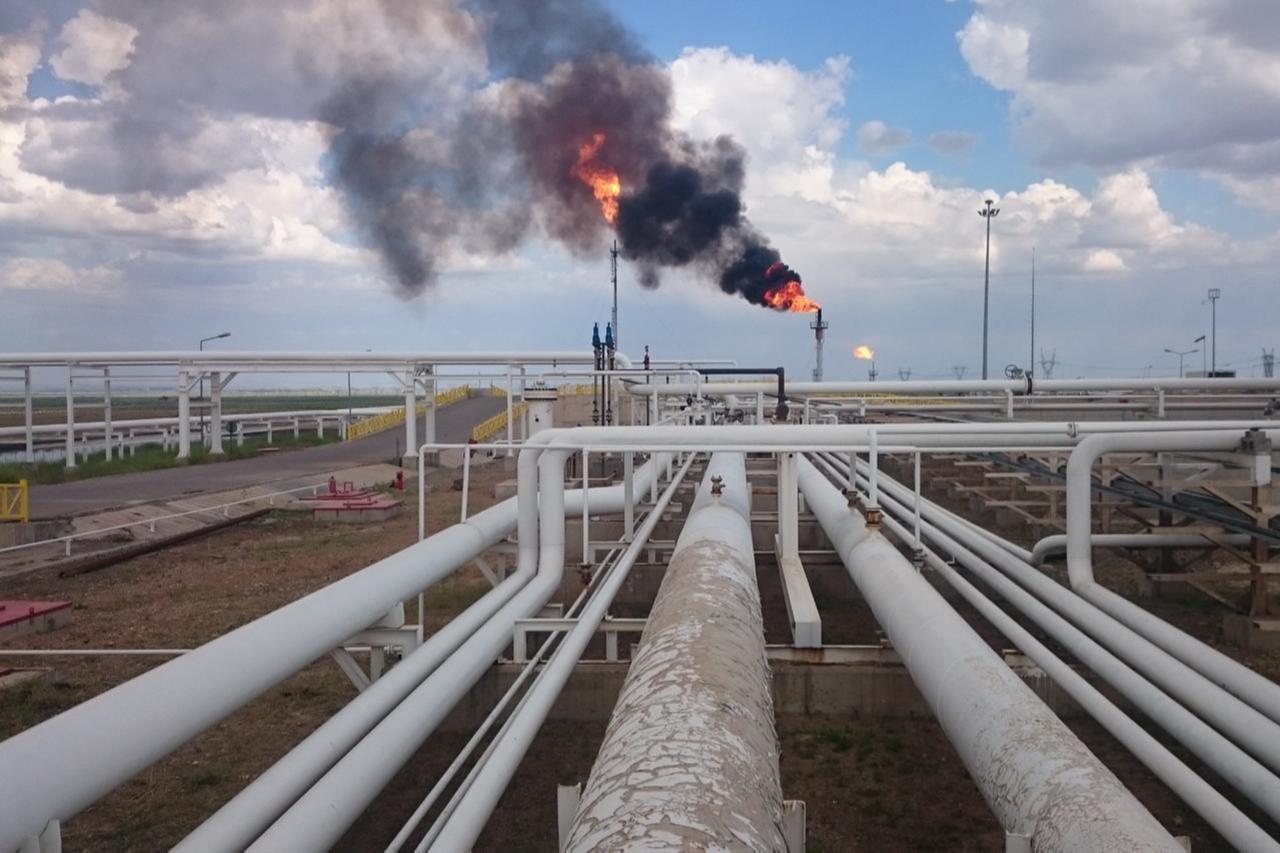
Iraq is highly exposed to disruptions in the Strait of Hormuz because the vast majority of its crude exports are loaded at terminals in Basra and shipped through the Gulf.
The International Energy Agency (IEA) lists Iraq among the countries that rely heavily on the Strait of Hormuz for their oil exports.
In 2025, an average of 3.3 million barrels per day (bpd) of Iraqi crude passed through the strait, along with 310,000 bpd of oil products, bringing Iraq’s total Hormuz-dependent oil exports to 3.6 million bpd.
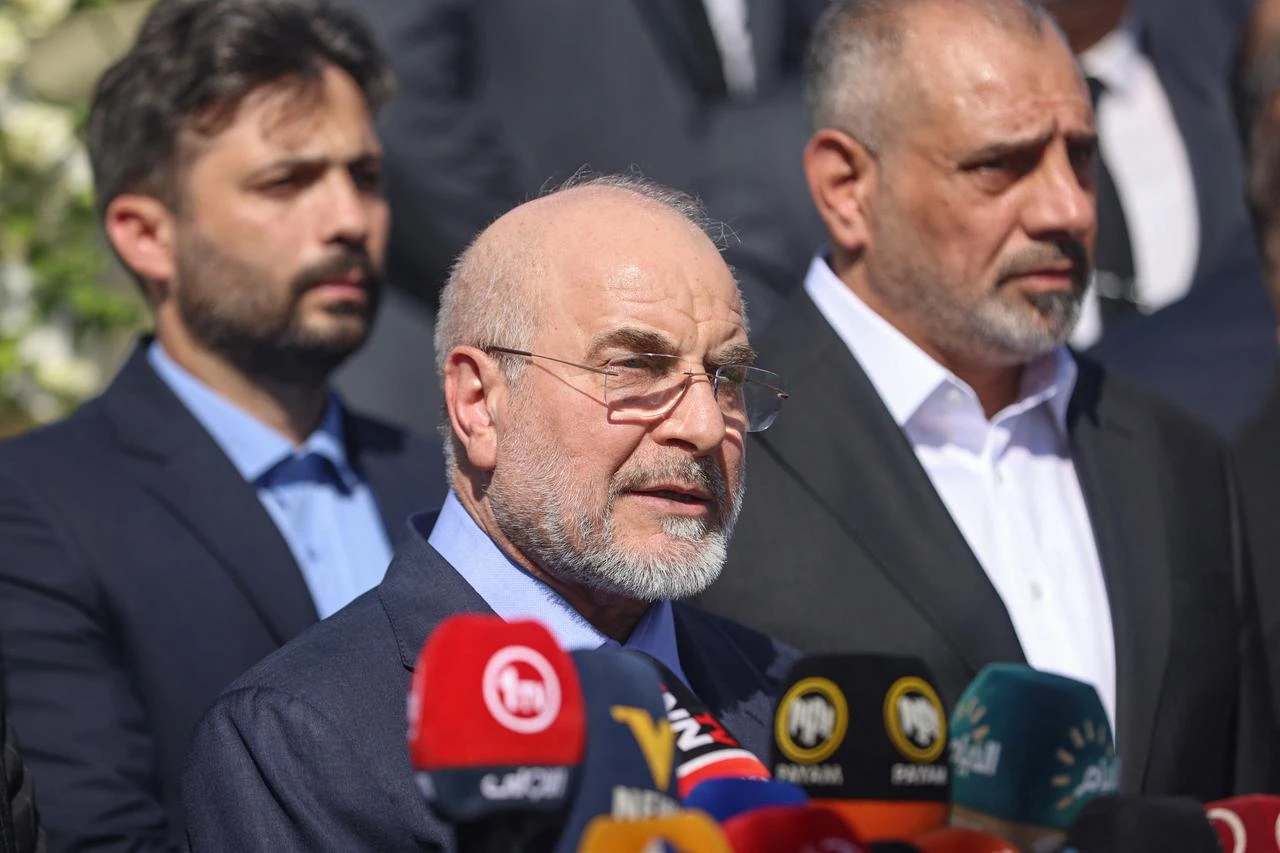

Meanwhile, Ghalibaf held talks with Iraqi President Abdul Latif Rashid on regional and global developments and ways to strengthen bilateral ties.
Rashid reaffirmed Baghdad’s support for diplomatic efforts to resolve regional crises, stressing the need for "constructive dialogue" to address outstanding grievances and build lasting security.
Ghalibaf earlier described Iraq as an "important country in the region" and said his visit aimed to discuss cooperation among regional countries without foreign interference. He also called for Islamic countries in the region to broaden cooperation and establish "deep and sustainable relations."
Before leaving Tehran, Ghalibaf said the visit would focus on cooperation with Iraq across economic, political, cultural, social and security fields. He described relations between the two countries as "fundamental" to regional developments and said the region would soon see the emergence of a "new order."
Ghalibaf is also expected to travel to Karbala to attend a ceremony marking the passage of 40 days since the burial of Iran’s late supreme leader.


 Set as preferred source
 Set as preferred source


 2 min read
 1 min read