Newsletters


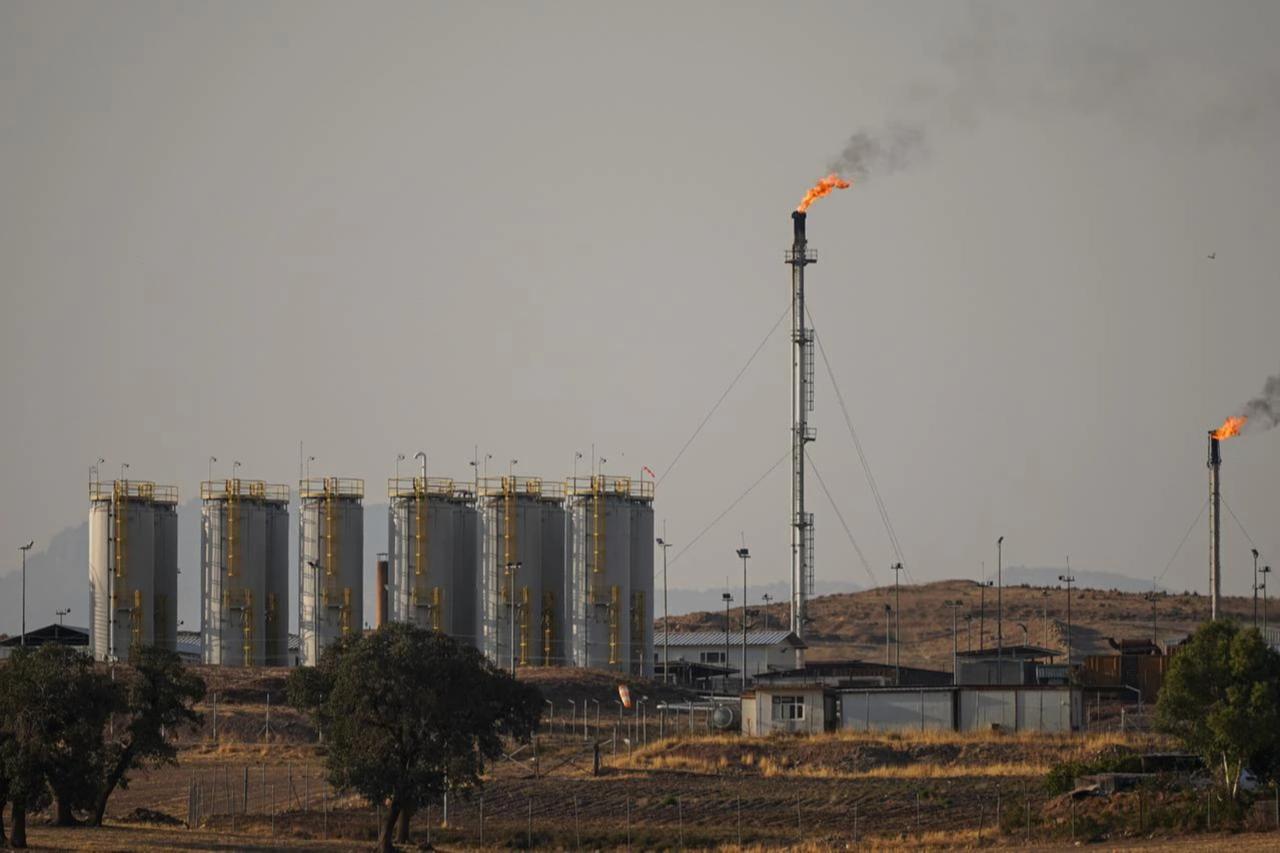


Developments in the Strait of Hormuz that have increased the risk of disruption to oil supplies have raised the importance of alternative transport routes in global oil markets, while Türkiye’s Ceyhan district stands out with its potential to become a center for international oil and petroleum products trade.
Ceyhan, in the southern province of Adana, has significant pipeline, port and storage infrastructure, as well as room for further development.
Energy and Natural Resources Minister Alparslan Bayraktar recently said Türkiye aims to turn Ceyhan into a major regional trading and pricing center.
“We can make Ceyhan a Rotterdam. We have such a goal,” Bayraktar said.
“We aim to turn Ceyhan into a center where oil and petroleum products are stored, traded and priced,” he added.
Ceyhan is being assessed as a possible alternative to oil supply problems that have emerged following developments in the Strait of Hormuz.
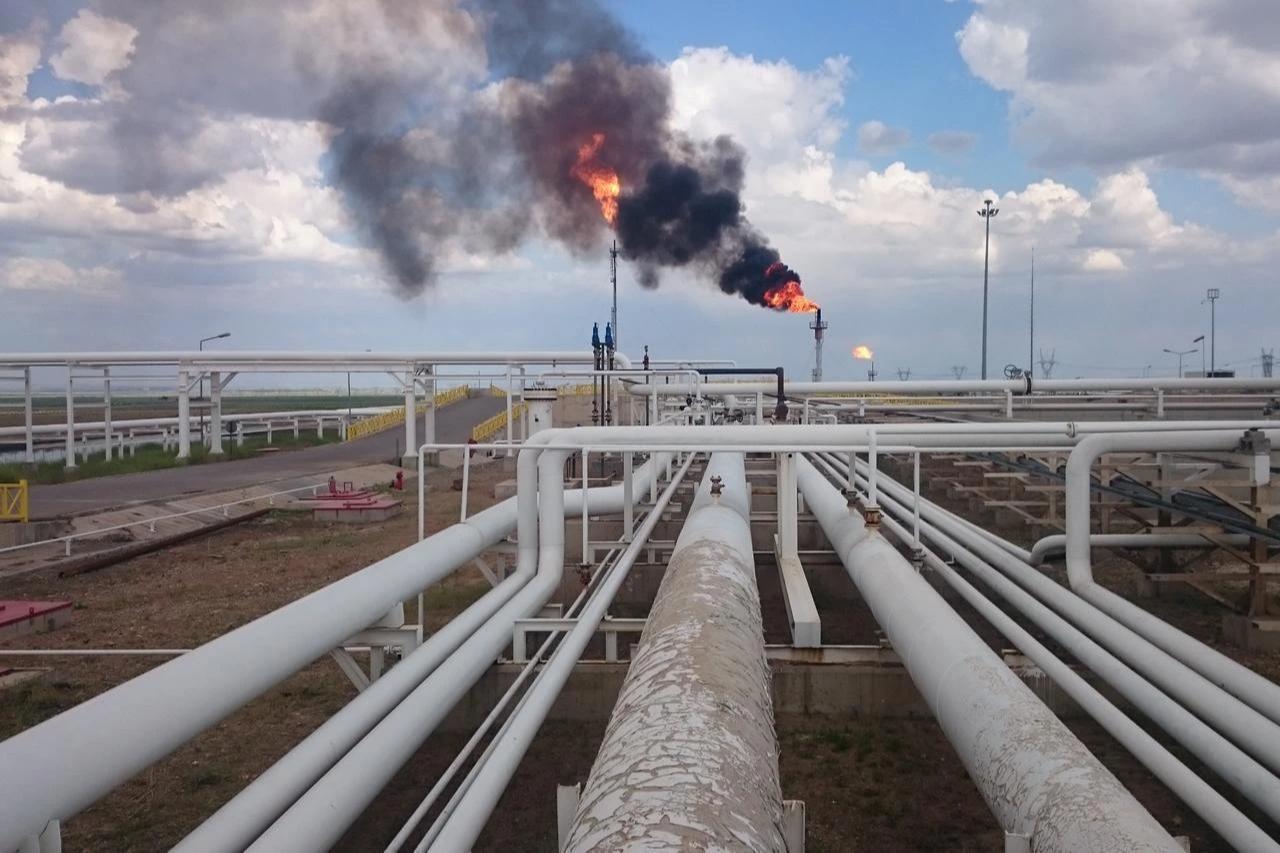

One of the main crude oil sources reaching the Ceyhan Marine Terminal is the Baku-Tbilisi-Ceyhan (BTC) Pipeline, which starts from Azerbaijan’s Sangachal Terminal on the Caspian Sea coast and extends to Türkiye through Georgia.
An average of about 600,000 barrels of oil per day is transported to Ceyhan through the pipeline.
Another important oil supply route for Ceyhan is the Iraq-Türkiye Crude Oil Pipeline.
The line starts from oil fields in and around Kirkuk, extends from northern Iraq to Türkiye, and reaches the Ceyhan Marine Terminal.
The route, which has strategic importance for Iraq’s oil exports, has a current transport capacity of 1.5 million barrels per day.
After supply and shipment problems in the Strait of Hormuz, Iraq turned toward using the Kirkuk-Ceyhan route more effectively again, and exports of Kirkuk oil through Ceyhan resumed in March 2026.
At the time, up to 250,000 barrels of oil per day were expected to be transported to Ceyhan.
Türkiye and Iraq also signed a new one-year oil agreement on Aug. 1 to ensure the effective use of the Iraq-Türkiye Crude Oil Pipeline.
The agreement envisages a daily flow of 750,000 barrels of oil to Ceyhan Port.
According to information compiled by Turkish news agency Anadolu from Energy and Natural Resources Ministry data, the BTC Pipeline is one of the key infrastructures strengthening Ceyhan’s potential to become an energy hub.
About 600,000 barrels of oil per day arrive at Ceyhan Port through the BTC Pipeline.
The line also has about 400,000 barrels of unused transport capacity.
If that capacity is used, the amount of oil arriving in Ceyhan through BTC could reach about 1 million barrels per day.
In addition to Kirkuk oil from northern Iraq, Ceyhan is also being considered as a possible future export route for oil resources in southern Iraq.
Iraq’s Basra-Haditha oil pipeline project is planned to transport oil produced in the Basra region in southern Iraq to the north of the country and from there to various export points, including Ceyhan.
The project’s total transport capacity is targeted to be increased to up to 2.5 million barrels per day.
Together, these routes create an oil trade potential of 3 million to 3.5 million barrels per day in Ceyhan.
That amount corresponds to about 3% to 3.5% of global oil demand.
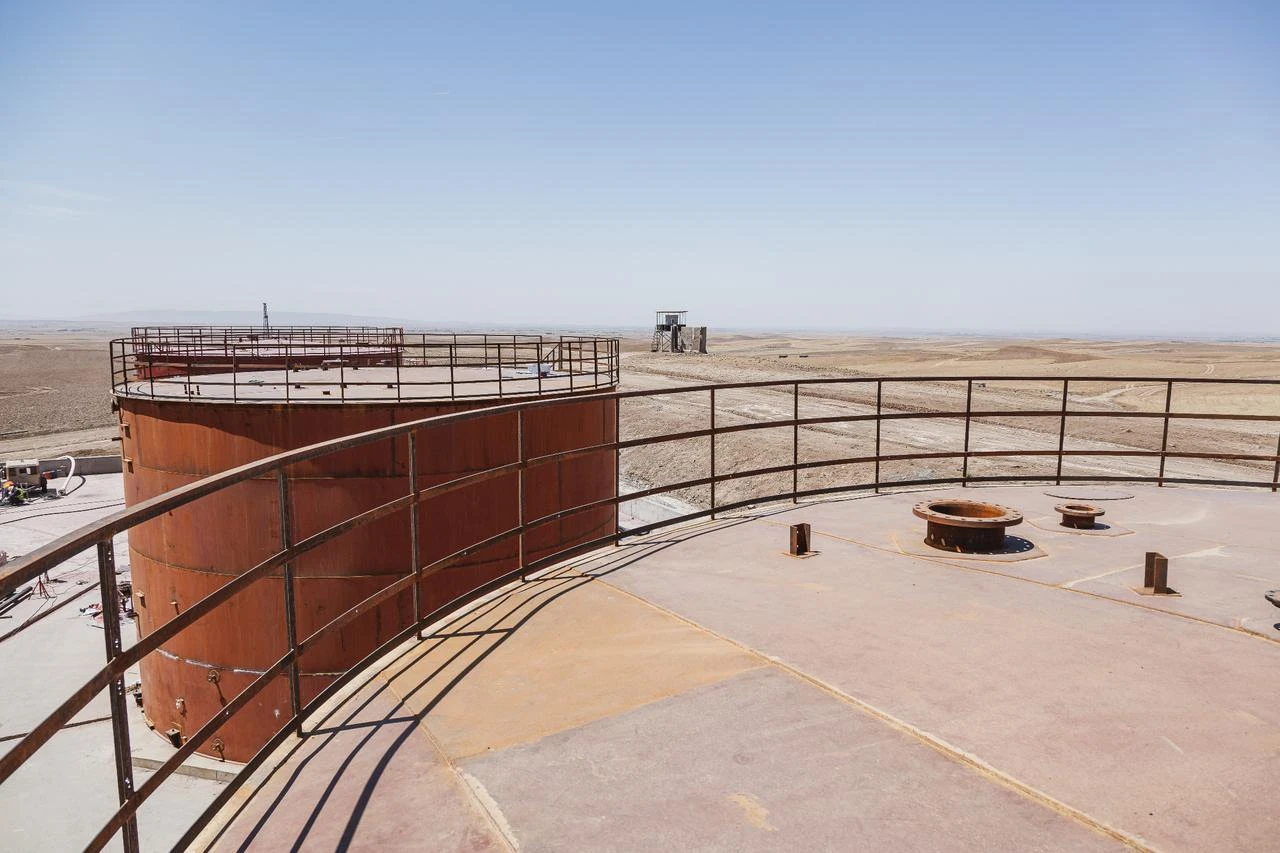
Tank and storage areas for oil and petroleum products in Ceyhan are also among the important elements supporting this potential.
With the development of petrochemical facilities and refinery investments in the region, Ceyhan could become an important trading center for oil and petroleum products.
The pipelines running from Silopi to Ceyhan have a daily oil transport capacity of 1.5 million barrels.
This capacity could enable crude oil above Türkiye’s own needs to be brought into the country and shipped to world markets through Ceyhan.
Global daily oil demand stands at about 103 million barrels.
If the full 1.5 million-barrel capacity of the Silopi-Ceyhan line is used, about 1.5% of the world’s daily oil demand could be brought to Ceyhan and delivered from there to global markets.
The capacity also corresponds to about 1.5 times Türkiye’s daily oil needs.
The capacity of the pipeline reaching Ceyhan could also be increased beyond its current 1.5 million-barrel level.
One factor strengthening Ceyhan’s potential is the increase in Türkiye’s domestic oil production.
Daily oil production in Sirnak’s Gabar region has exceeded 80,000 barrels.
Transporting a significant portion of that production to Ceyhan through the Silopi-Ceyhan line enables Türkiye’s own oil to reach international markets through the Mediterranean.
The increase in production in Gabar raises the importance of the Silopi-Ceyhan line and strengthens Ceyhan’s potential to become a strategic outlet for Türkiye’s growing oil production.


 Set as preferred source
 Set as preferred source


 1 min read


 1 min read