Newsletters


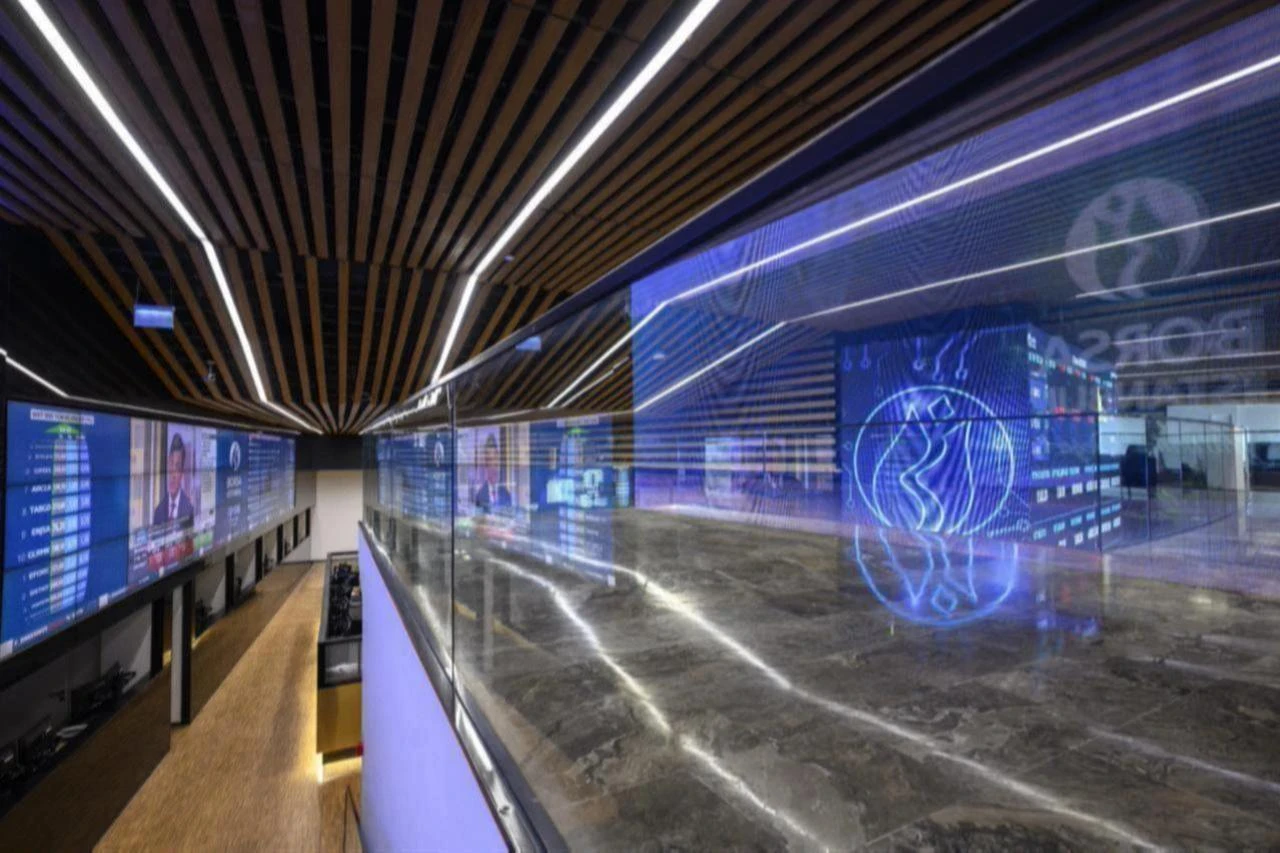


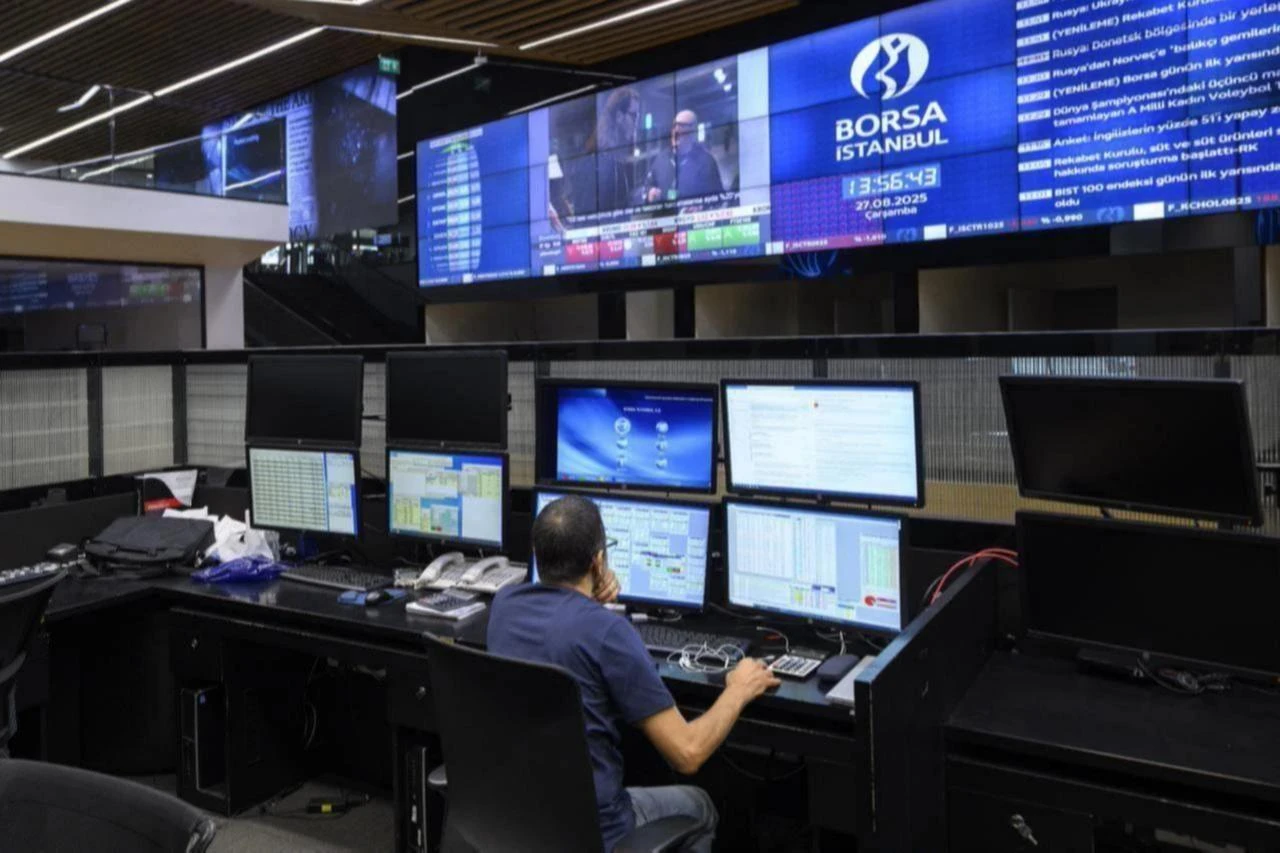
Türkiye's stock exchange, Borsa Istanbul, rallied on Wednesday after reports of a proposed fuel tax cut by the government to cushion the inflationary impact of rising oil prices and a possible extension of the U.S.-Iran ceasefire for another 60 days.
The benchmark BIST 100 index rose over 2.7% to around 14,070 points as of 1:20 p.m. GMT, representing its best daily performance since June 18 when the Islamabad memorandum of understanding was officially announced.
Banking shares led the rally, with the sectoral index jumping over 4% as hopes for lower energy prices lifted appetite for equities on expectations of faster disinflation and a return to rate cuts.
All four main Borsa Istanbul sectoral indices advanced, with technology leading at 4%, followed by financials at 2.1%, industrials at 1.4% and services at 0.9%.
Among the sub-sectoral indices, leasing and factoring posted the strongest gain at 5%, while metal products and machinery climbed 3.4%, textile and leather added 2.7%, and chemical, petroleum and plastics rose 2.5%.
Brokerage houses advanced 2%, while transportation, tourism and food and beverage services gained 1.9%, 1.2% and 1.1%, respectively. On the weaker side, venture capital investment trusts fell 1.9%, food and beverage slipped 1.7%, sports lost 1.2% and mining declined 0.7%.
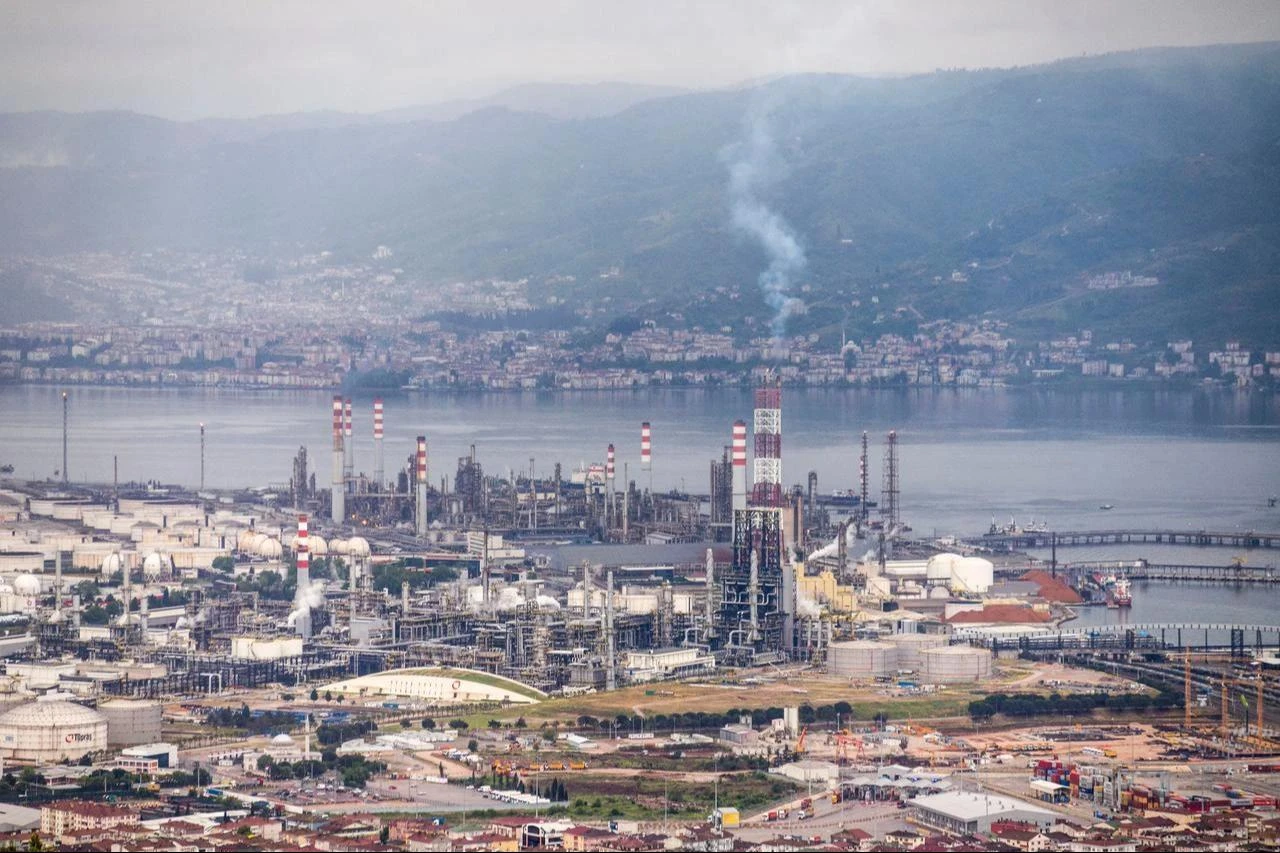
Across the BIST 100, 79 stocks moved higher, 19 fell and two were unchanged. Defense firm Aselsan climbed 6.2%, factoring company Destek Faktoring rose 5.6%, oil refiner Tupras added 4.2%, while private lender Garanti BBVA gained 3.0%.

Bloomberg HT reported that the Treasury and Finance Ministry is preparing a cut in the Special Consumption Tax (SCT) on diesel to lower pump prices.
The move comes as Türkiye gradually phases out the fuel tax buffer introduced in March, with the government reducing the share of fuel price increases offset through SCT cuts from 50% through July to 25% in August and September before the mechanism ends on Oct. 1.
The size of the new diesel tax cut has yet to be announced, but reports of the measure immediately boosted market sentiment given diesel's broad impact on transportation, logistics, agriculture and production costs.
At the same time, Pakistani government sources told Anadolu Agency that the U.S. and Iran had agreed to extend their 60-day ceasefire beyond the Aug. 17 deadline, although the sources did not specify the length of the extension.
The development remains contested, however, with a senior Iranian official telling Reuters that Tehran and Washington were not discussing a ceasefire extension.
Despite the uptick, local brokerage QNB Invest remains cautious on Borsa Istanbul, warning that the recent rebound does not yet signal a lasting recovery.
In its monthly market report, the brokerage described July as a difficult month for Turkish equities, pointing to geopolitical risks, higher oil prices and a weak earnings season. The BIST 100 fell 5%, while bank stocks dropped 12% as higher funding costs weighed on results.
The brokerage also flagged high energy costs as a key near-term risk, while softer July inflation supported expectations for renewed rate cuts. It estimated that the BIST 100 was trading at a 13% discount to 2026 earnings expectations, with the discount widening to around 30% based on 2027 forecasts.
Looking ahead, QNB Invest expects weak earnings to continue for at least another quarter, making a sustained recovery difficult without a lasting ceasefire and clearer monetary easing.


 Set as preferred source
 Set as preferred source


 1 min read
 1 min read