

 Newsletters


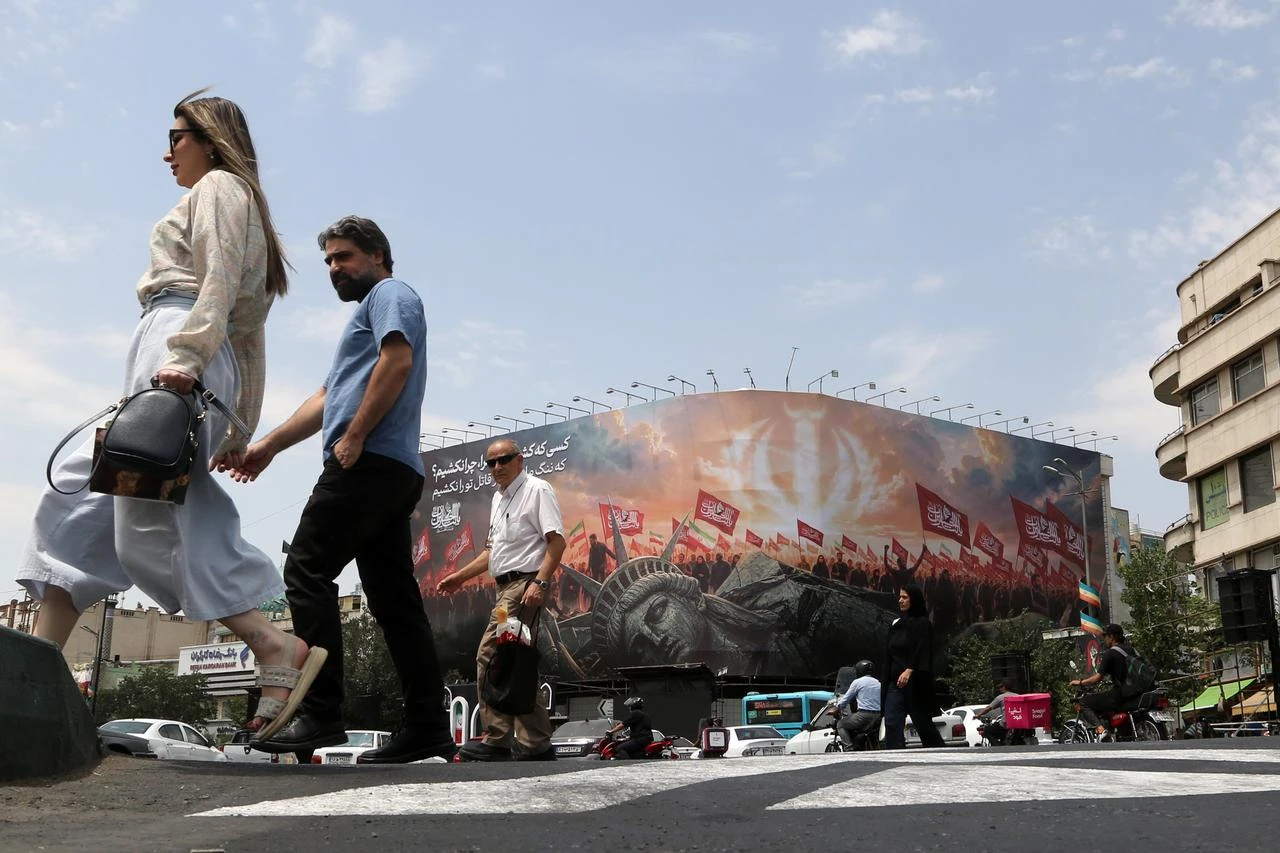


The United States and Iran have agreed to extend a 60-day ceasefire under the Islamabad Memorandum of Understanding (MoU), which is set to expire Aug. 17, Pakistani government sources told Turkish news agency Anadolu on Wednesday.
"Both sides have conveyed their consent to the mediators to extend the deadline," a source close to the mediation process said.
"However, the two sides are exchanging messages to decide on the extension period," the source added.
The United States and Iran agreed to a Pakistan-brokered ceasefire in April and later signed a MoU on June 17, launching negotiations toward a final agreement.
The talks later stalled over disagreements on security guarantees and freedom of navigation through the Strait of Hormuz, one of the world's most strategic routes for energy supplies and trade.
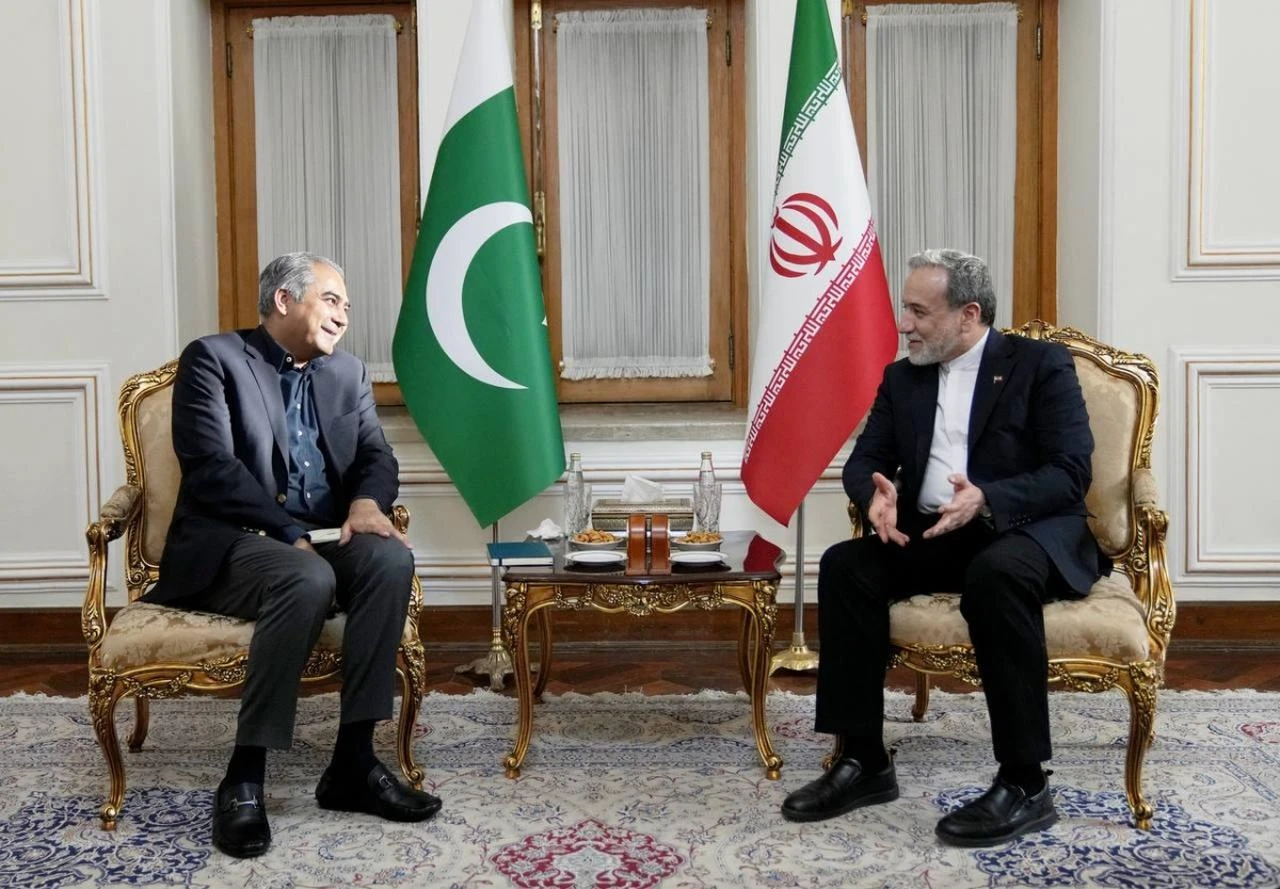

Pakistan on Wednesday said it is making "all-out" efforts, in collaboration with regional partners, to revive long-stalled direct talks between the United States and Iran and end their months-long war.
"Pakistan is making all-out efforts to bring the two parties to the negotiating table and the Islamabad MoU and pave the way for peace and stability in the region," Foreign Ministry spokesman Tahir Andrabi told a weekly news briefing in Islamabad.
Pakistan remains engaged alongside "brotherly states" in "sincere efforts" to work toward a resolution to the crisis, he said.
Islamabad will continue to "offset spoilers using direct and indirect channels" and ensure the continuation of constructive dialogue to resolve outstanding issues, Andrabi added.
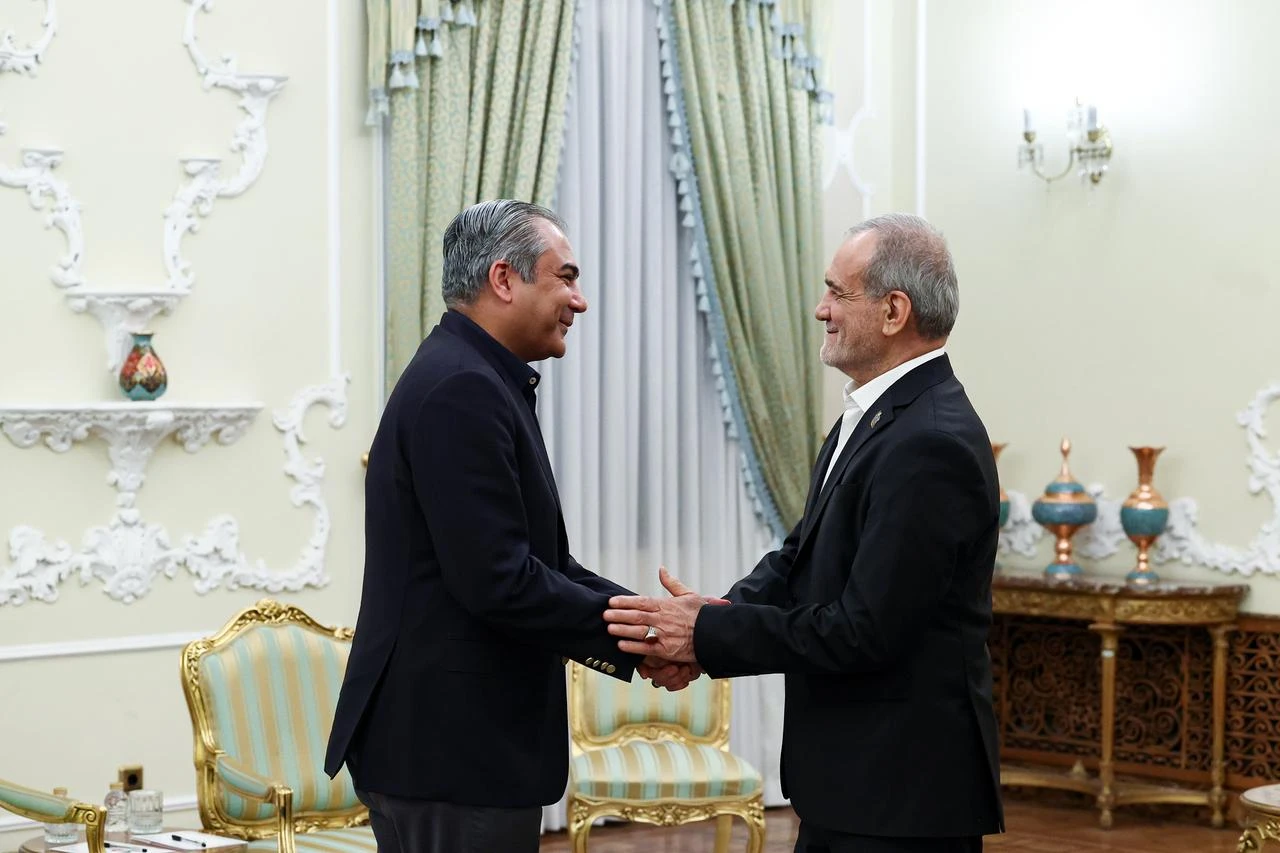
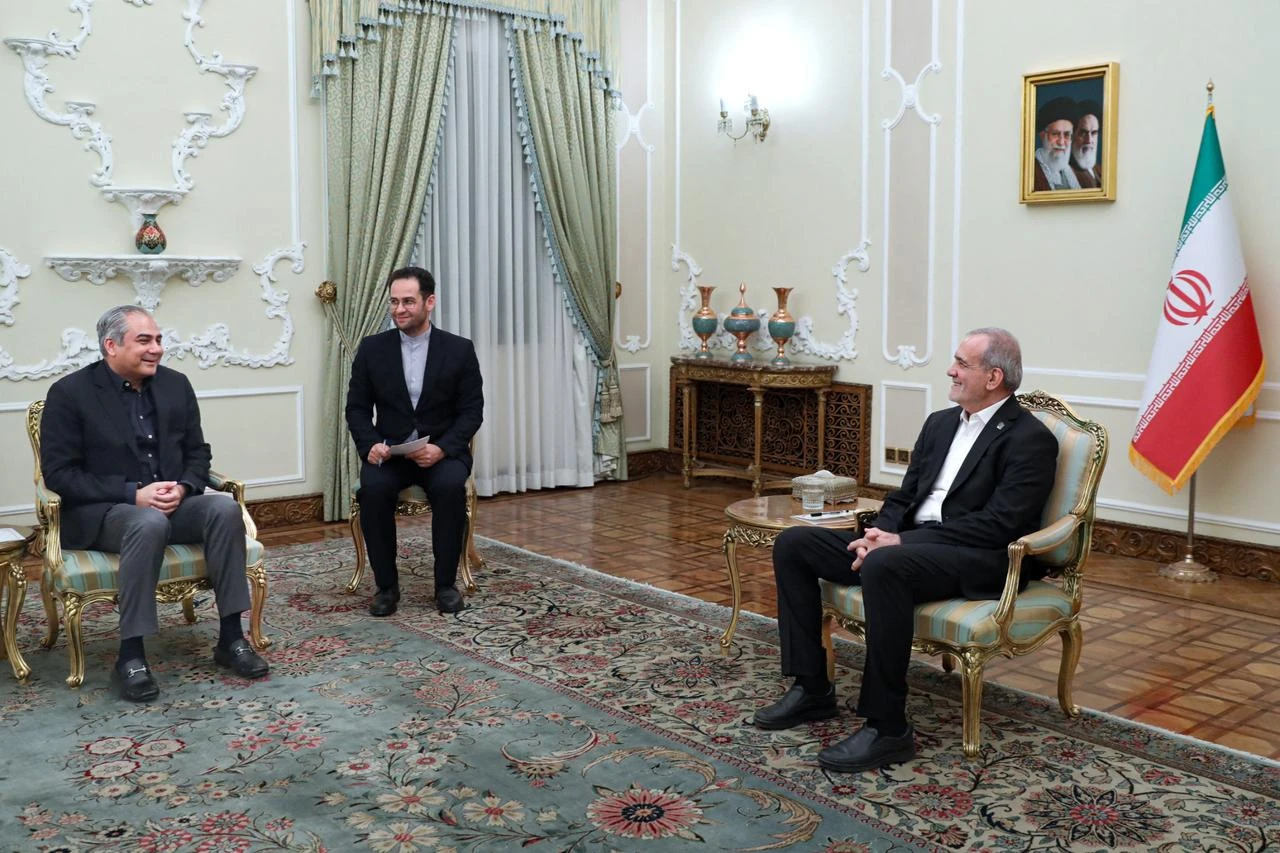
Commenting on Interior Minister Mohsin Naqvi's visit to Iran, Andrabi said the trip was intended to discuss bilateral relations, security issues and regional developments, particularly peace and stability in the region.
Naqvi arrived in Tehran on Tuesday and met Iranian President Masoud Pezeshkian, Foreign Minister Abbas Araghchi and other officials to explore how to resume stalled direct talks with Washington.
The Iranian government's website said Naqvi conveyed to Pezeshkian "a message from the Pakistani prime minister and the chief of the army," without specifying its content.
Naqvi, along with Prime Minister Shehbaz Sharif and Chief of Army Staff Field Marshal Syed Asim Munir, has been actively involved in the mediation process.
Between July 8 and July 24, the United States and Iran exchanged military strikes, with Washington launching attacks on targets inside Iran and Tehran responding by striking what it described as U.S. military facilities and equipment in several Arab countries, including Jordan, Bahrain and Kuwait.
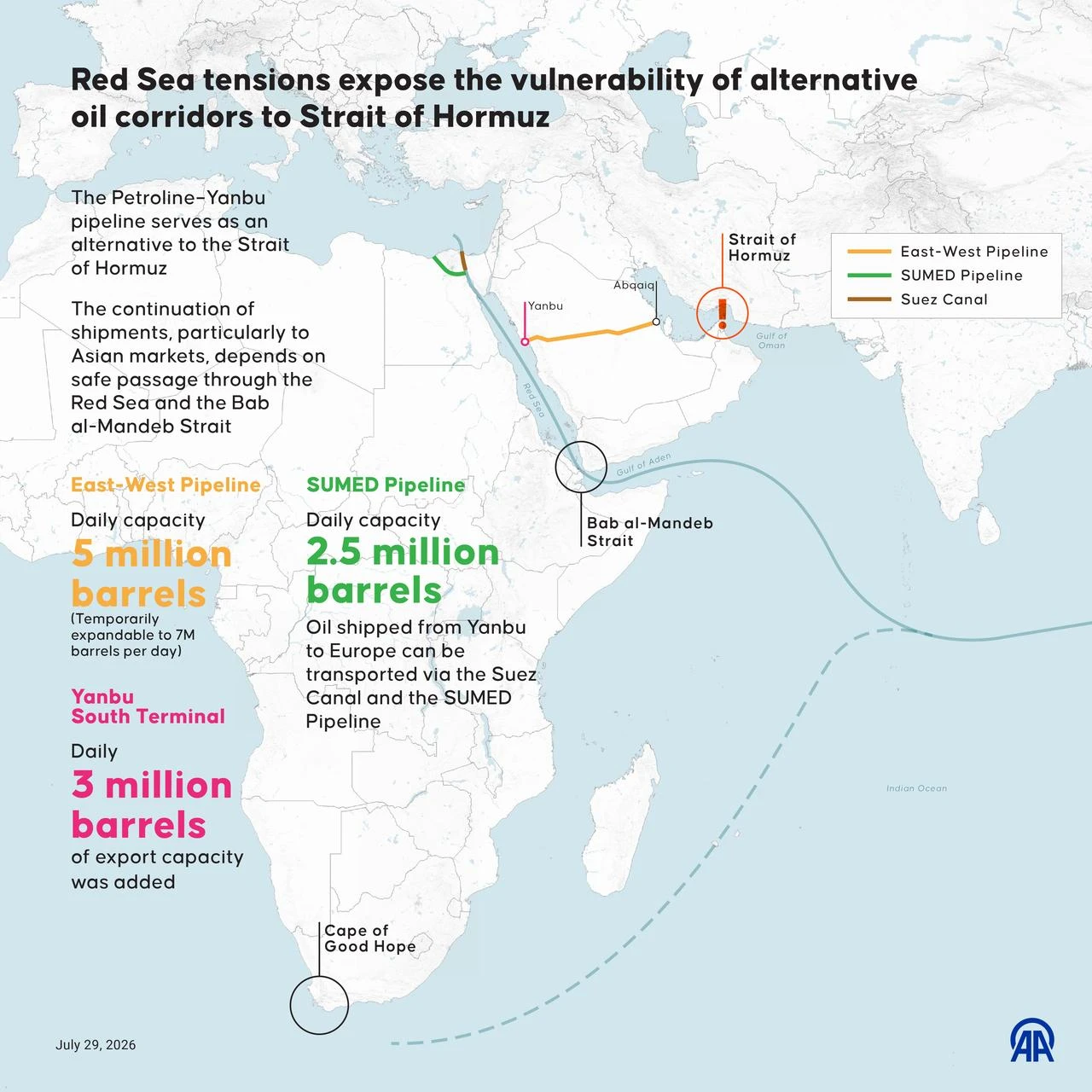
Tehran insists on retaining control of the Strait of Hormuz after the war and wants to charge fees for passage, repeatedly striking ships it accuses of attempting to circumvent its preferred route.
The United States has imposed a rival blockade on Iranian ports.
 1 min read
Attacks in the waterway, which was free to transit before the war, led to the collapse of an April ceasefire, and mediators have urged both sides to return to the terms of the June memorandum, which set out a path for peace talks.
Last week, Iran said it had agreed on a route with neighboring Oman for ships transiting the strait and was finalizing arrangements for jointly managing the strategic waterway.
On Tuesday, the U.S. military announced that it had fired on a Panama-flagged cargo ship that attempted to break the American blockade of Iran's ports.


 Set as preferred source
 Set as preferred source


 1 min read


