Newsletters


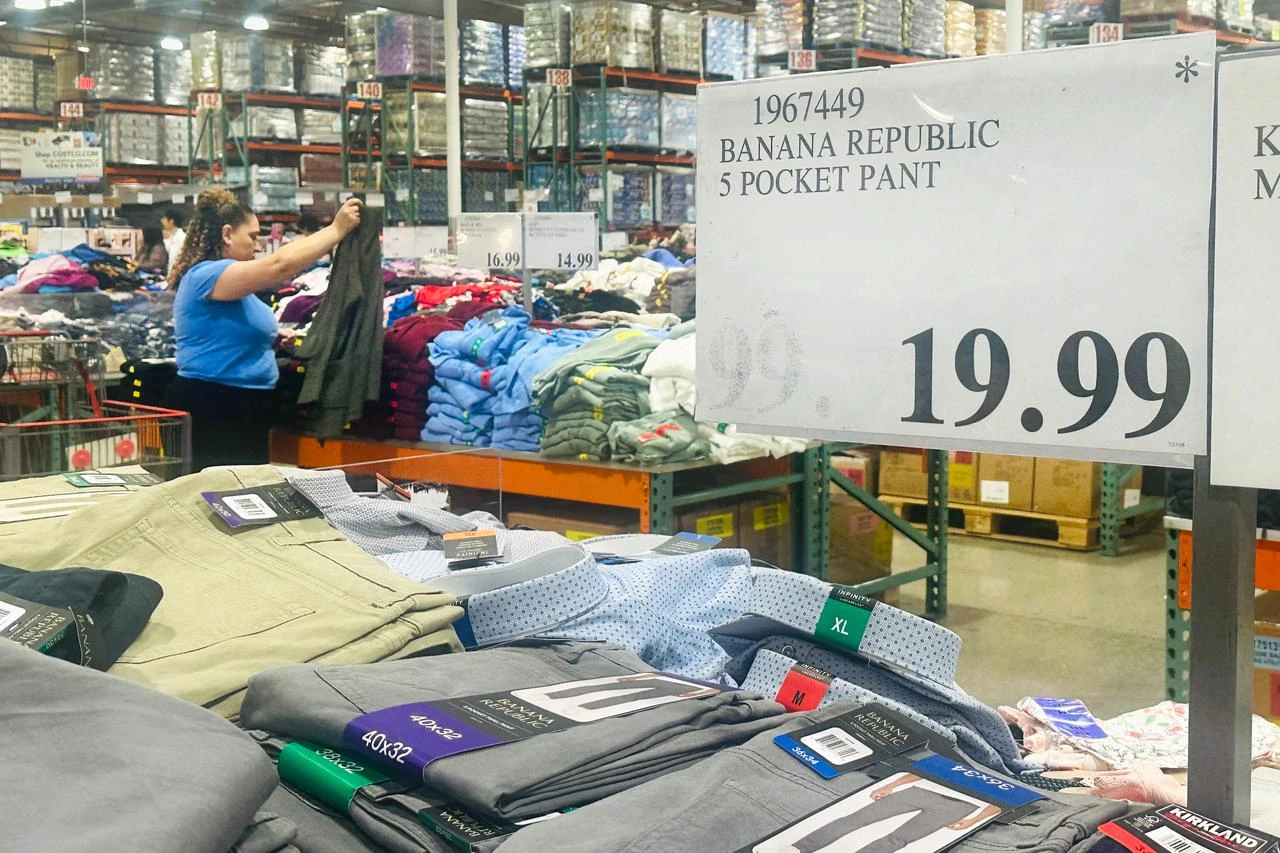


U.S. consumer prices rise 0.1% in July, following a 0.4% decline in June, while the annual inflation rate eases to 3.4%, the Bureau of Labor Statistics reports on Wednesday.
The data broadly comes in line with market expectations, further reducing expectations of an immediate U.S. Federal Reserve rate hike at its September meeting and lifting precious metals and equities despite a sudden bout of profit-taking.
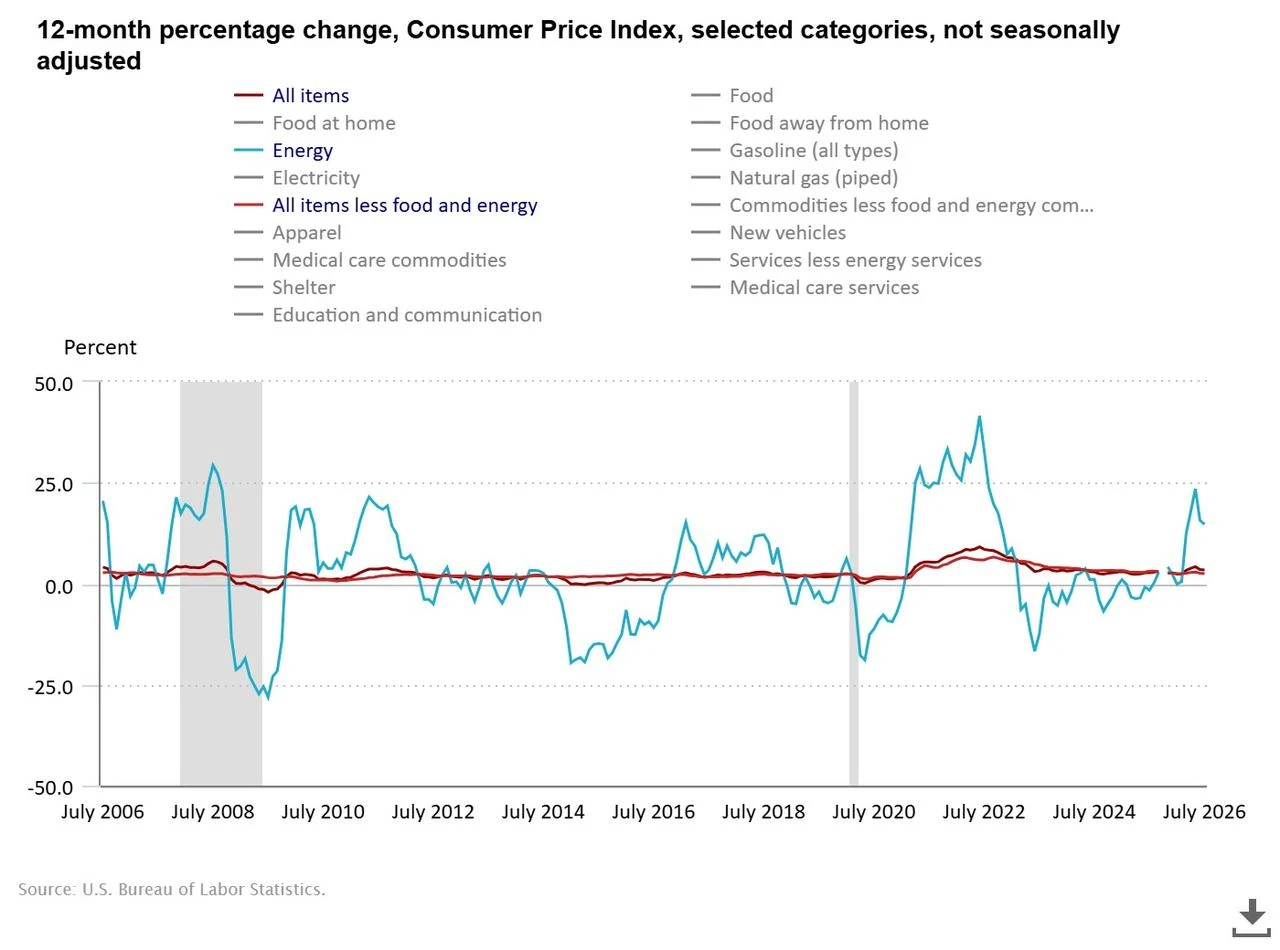
Energy prices fell 1.5% in July, providing the biggest monthly drag on consumer prices, but remained significantly higher than a year earlier, with the energy index up 14.7%.
Shelter costs rose 0.1% during the month and accounted for roughly two-thirds of the overall CPI increase. Food prices edged up 0.1%, while dining out became 0.3% more expensive.
Excluding food and energy, prices climbed 0.2% in July after holding steady in June. Medical care, airline fares, communication, education and recreation all posted gains, while motor vehicle insurance was among the major categories to decline.
Over the 12 months through July, food prices increased 3%, while core inflation advanced 2.5%, easing from 2.6% in June. Overall consumer prices rose 3.4% over the year, down from 3.5% in June.

Following the data, U.S. equities edged higher, with the tech-heavy Nasdaq extending its gains to 1% in early trading. The benchmark 2-year U.S. Treasury yield fell from 4.21% to 4.17% as softer-than-expected inflation data slightly scaled back expectations for a September Federal Reserve rate hike.
Both Brent and WTI crude prices edged lower to $88.7 and $83.2 per barrel, respectively. Cryptocurrencies, however, took the hardest hit, with Bitcoin falling 0.3% to around $64,000.
Gold extended its daily gains to 1.5%, reaching a two-month high of $4,338 per ounce. Silver also climbed nearly 3% to $66.5 per ounce, while palladium and platinum each rose more than 2%, reaching $1,380 and $1,770, respectively.
According to CME Group’s FedWatch Tool, market pricing for the U.S. central bank to hold rates unchanged in the 3.50%-3.75% range at its September meeting topped 60%, while the probability of a 25-basis-point rate hike at the December meeting remained higher at 45%.


 Set as preferred source
 Set as preferred source


 1 min read

 1 min read