Newsletters


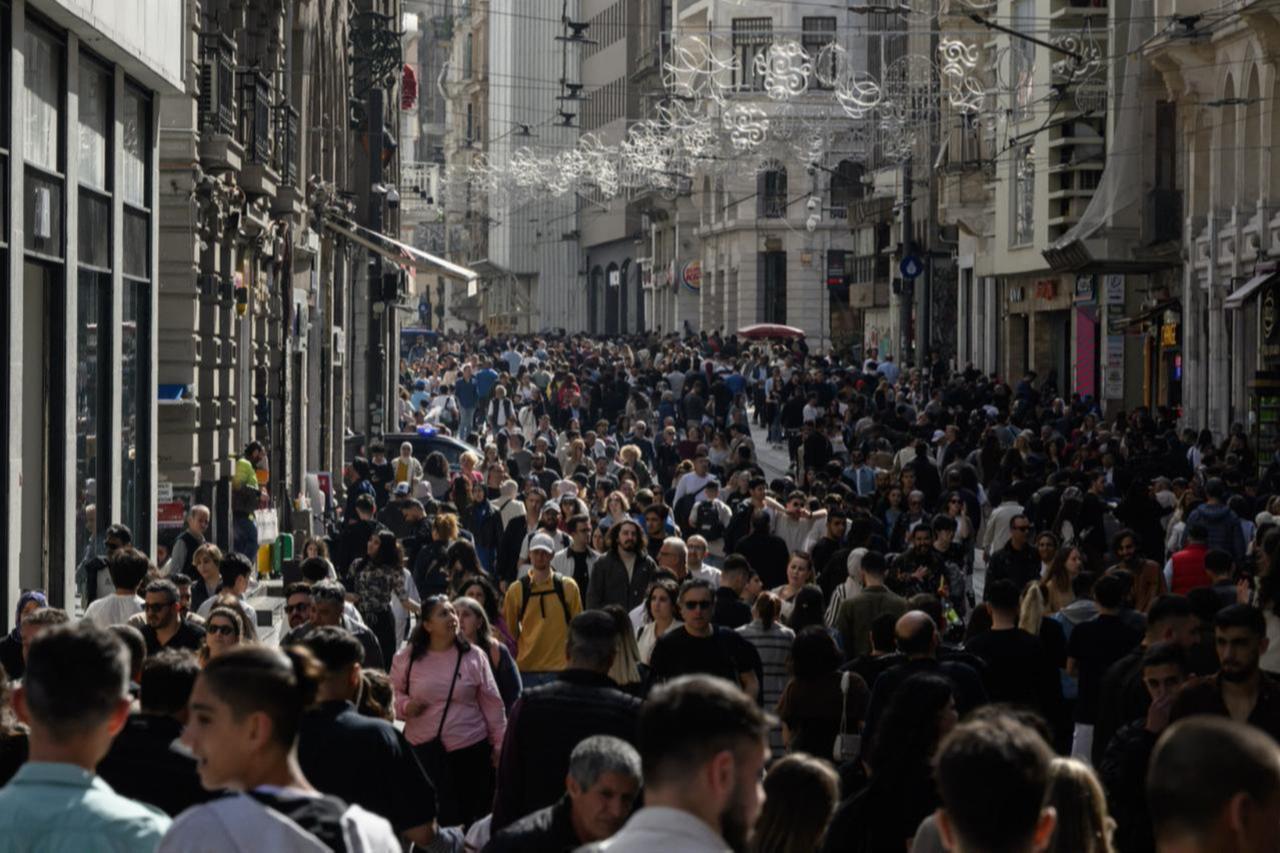


A new citywide study offers one of the clearest recent pictures of how much residents pay in “aidat,” which is a monthly maintenance fee for the building, across Istanbul and why thousands of people are now moving toward more affordable districts.
The Professional Facility Managers Association (PTYD) examined fees in more than 21,000 sites, apartments, and residences, covering over 1.5 million independent units.
Its findings show the scale of cost differences across the city and how sharply service levels and management structures affect everyday expenses.


The study ranks the districts with the highest monthly fees and confirms that the city’s most central areas carry the heaviest financial burden.
To give readers a clear overview, the findings show the following distribution:
Highest average monthly fees
PTYD Chair Ozan Ozen says these central districts record higher fees because property values rise and service menus expand with cleaning teams, maintenance crews, security, and round the clock services.
Lowest average monthly fees
Smaller apartments in these districts keep fees low because they offer limited services, and some residents pay ₺50 a month when they handle basic tasks themselves, such as waste disposal or occasional cleaning.
The sharp contrast between districts reflects differences in building design, shared spaces, and resident expectations.
Ozen explains that some residences offer daily waste collection up to three times a day, car wash options inside parking areas, and in-home technical support, which significantly raises monthly fees and can push them above ₺62,000.
He adds that these financial pressures now influence housing choices across the city. PTYD’s analysis shows that residents of more than 117,000 apartments in Istanbul moved in 2025 because they sought lower monthly fees and lower rent.
To help newcomers understand why fees differ so widely, the study identifies several structural factors that shape monthly budgets:
Key drivers of differences in building dues

The Ministry of Environment, Urbanization and Climate Change is preparing a draft law on residential management and inspections.
Ozen says the proposed legislation focuses on stronger oversight and, once in effect, may help prevent sudden or arbitrary fee increases that frustrate many residents.
Legal expert and condominium specialist Seref Kisacik explains that building fees cover more than many residents assume.
Fees include elevator and roof maintenance, cleaning of shared areas, the operation of social and sports facilities, green area care, cafes and offices within the complex, and staff salaries.
He notes that some sites also include central heating and water costs in the fee, which increases the total amount each month. Kisacik says rising energy prices and staff needs directly shape final budgets.
He encourages residents to join general assembly meetings if they want building fees to remain reasonable, since decisions depend on participation. “You cannot fix problems by complaining after the decision. You need to join the meetings and support a fair budget,” he says.
Kisacik adds that residents can challenge general assembly fee decisions within one month and can object to yearly additional budget increases within seven days of receiving the notice.
Kisacik also warns that large budgets need professional oversight, yet many sites rely on volunteer auditors chosen from property owners. He argues that this structure creates conflicts of interest and weakens financial control.
He says management plans must be updated to ensure fairness, since problems arise when a small one plus one apartment pays the same personnel share as a large 300 to 500 square metre villa or when ground floor units and shop owners pay for elevators or social areas they never use.
These issues, he says, originate from outdated management plans rather than legal requirements.

The study offers important guidance for foreigners who plan to live in Istanbul or who already navigate the city’s housing market.
Many expats focus on location when searching for an apartment, yet building fees can influence the total cost of living more than expected. Central districts offer convenience, public transport access, and well-maintained complexes, but these advantages come with the city’s highest monthly fees.
Outer districts such as Catalca, Silivri, and Arnavutkoy offer more affordable options and have attracted thousands of residents who want to reduce their expenses.
Understanding how building fees are structured can help expats compare properties more accurately. Clear legal steps also allow residents to challenge unreasonable increases, and regular attendance at general assembly meetings provides a direct way to influence decisions.
As the government prepares new rules on inspections and management, building fees will likely become more regulated, but the differences between districts will remain shaped by service levels and building design.
Istanbul’s housing landscape continues to shift as fees rise and residents adjust their priorities. For expats, knowing how these fees work before signing a lease or purchasing property can prevent unexpected costs and help them choose a district that matches both their budget and their daily needs.


 Set as preferred source
 Set as preferred source



 5 min read