Newsletters


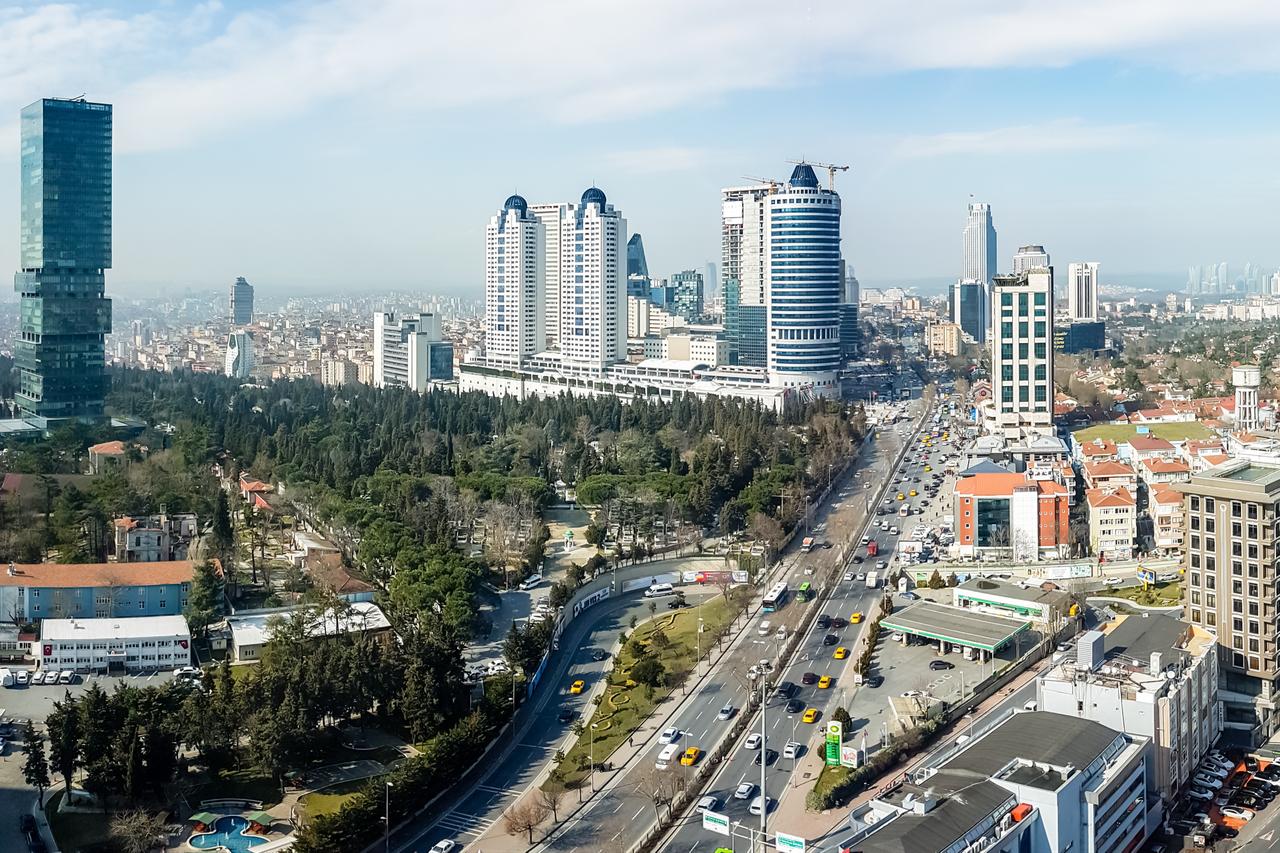


Türkiye's and Europe’s largest city, Istanbul, closed 2025 with inflation easing to 37.68%, as the monthly change in consumer prices was recorded at 1.23% in December, the Istanbul Chamber of Commerce (ICOC) reported on Thursday.
Back in December 2024, annual inflation in the city stood at around 55.27%, and the latest figure represents a drop of approximately 17.6 percentage points.
Price increases in December were most pronounced in the restaurants and hotels category, which saw a 3.24% rise over the previous month. This was followed by health expenditures, which increased 2.93%, and miscellaneous goods and services at 2.25%.
Housing and household goods posted monthly increases of 1.9% and 2.0% respectively. Food prices rose 1.65%, while cultural and entertainment expenses climbed 1.38%. In contrast, clothing, footwear, and transportation-related spending registered downward price movements, influenced by market conditions.
ICOC also reported that the Wholesale Price Index rose by 0.93% in December, slowing from a 2.14% increase in November. On an annual basis, wholesale prices climbed 23.25%, with the average annual change calculated at 26.95%.


The data comes ahead of Türkiye’s official inflation figures, set to be released on Monday, Jan. 5, as the final reading for 2025 and a potential signal for the disinflation outlook in the year ahead.
Preliminary estimates suggest that consumer prices rose by around 1% in December, broadly in line with the Istanbul Chamber of Commerce’s findings. If confirmed, this would place Türkiye’s annual inflation at approximately 31% by year-end, marking a substantial decline of over 13 percentage points from the 44.38% recorded at the close of 2024. However, while the figure would align with the Central Bank of the Republic of Türkiye’s (CBRT) latest inflation projection, it would fall short of the government’s forecast of 28.5% set in its Medium-Term Program.
The central bank has set an interim inflation target of 16%, with a projection range between 16% and 19% for the end of 2026, while the government is also aiming for 16%.


 Set as preferred source
 Set as preferred source


 1 min read

 1 min read