Newsletters


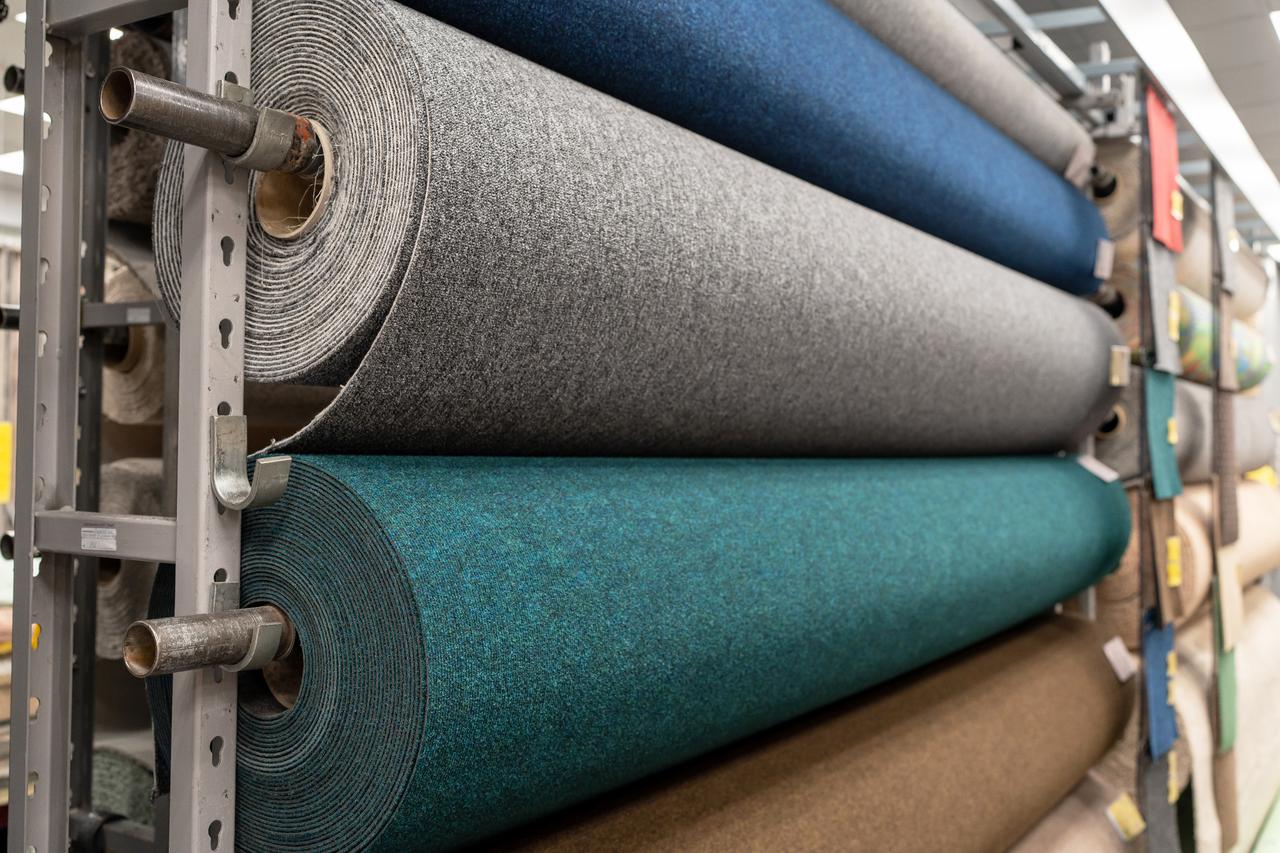


Türkiye’s carpet industry is preparing to reach $3 billion in exports in 2026, placing renewed emphasis on expanding its footprint in the United States after shipments to the market fell during 2025, a top sector official said.
"We reshaped perceptions of Turkish carpets in Japan. Now, we are determined to carry out broader initiatives in the United States," the Istanbul Carpet Exporters’ Association (IHIB) Chair Ahmet Hayri Diler said during an award ceremony honoring companies that contributed to Türkiye’s carpet exports. "With the strength we draw from our exporters, we will continue until Turkish carpets become a recognized brand in every part of the world," he added, according to business-focused ekonomim.com.
Türkiye’s carpet exports to the U.S. declined by 9% to $655 million in the first 11 months of 2025 compared to the same period a year earlier.
In his address, Türkiye Exporters Assembly (TIM) President Mustafa Gultepe emphasized Türkiye’s strong standing in the global carpet industry, noting the country holds a 16.4% share of worldwide carpet exports. "We are one of the two strongest players in the global market," he said, highlighting the industry’s historical roots that date back 2,500 years to Central Asia.
Gultepe reported that Türkiye’s carpet exports totaled $2.9 billion in 2024. From January to November 2025, exports stood at $2.6 billion, with carpets shipped to 179 countries.
Despite losing ground in price competitiveness, the sector continues to contribute to the national economy through resilience and adaptability, Gultepe said.

Reflecting on broader trade trends, Gultepe projected that Türkiye’s total merchandise exports would surpass $270 billion by year-end, with services exports exceeding $120 billion.
He cautioned, however, that much of the growth is concentrated in a few industries, mainly automotive, chemicals, and defense, with the performance of around ten firms driving much of the increase.
"The challenge remains in expanding the export base," he said, stressing the need for annual double-digit growth to meet medium- and long-term targets. "We must swiftly implement policies that prioritize industrial production. With additional support, we can once again make manufacturing and exports the engines of growth."


 Set as preferred source
 Set as preferred source


 1 min read

 1 min read