Newsletters


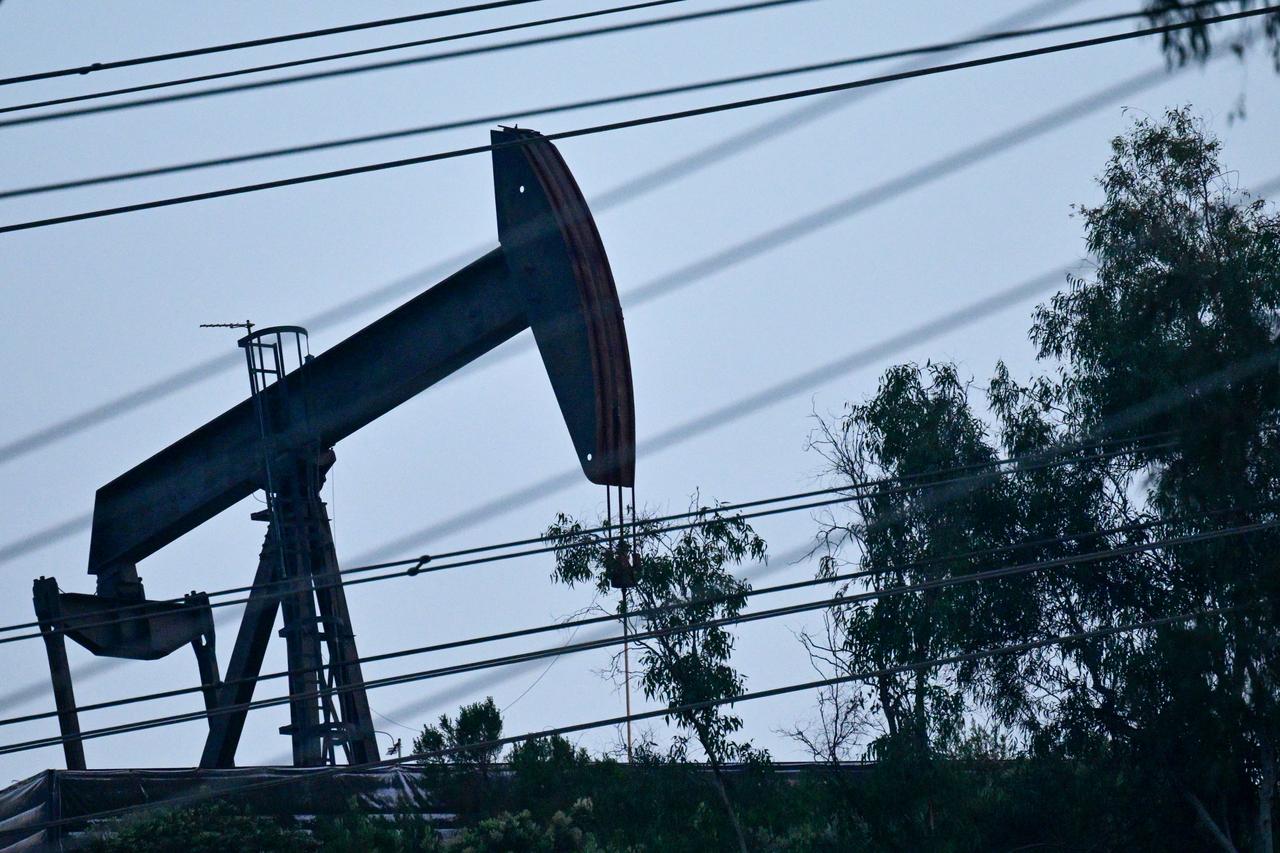
Energy ministers from the Group of Seven (G7) said Wednesday they stand ready to take necessary measures, including the potential use of oil reserves, to address rising crude prices linked to the Middle East war.
Following a virtual meeting Tuesday with the executive director of the International Energy Agency (IEA), G7 energy ministers said they were prepared to coordinate actions to stabilize markets.
"G7 members will carefully consider the recommendations issued during these discussions," the ministers said in a joint statement.
"In principle, we support the implementation of proactive measures to address the situation, including the use of strategic reserves," the statement added.
The ministers also said they were coordinating their response within the G7 as well as with IEA member countries and other partners.
"We agreed to stand ready to take all necessary measures in coordination with IEA Members," the statement said.
The Wall Street Journal reported Tuesday, citing officials familiar with the matter, that the IEA had proposed the largest release of oil reserves in its history to counter soaring crude prices driven by the U.S.-Israel war with Iran.
G7 finance ministers met Monday and G7 energy ministers held discussions Tuesday to review the potential release of emergency oil stocks.
"We want to be ready to react at any moment," French Finance Minister Roland Lescure said Tuesday. France currently holds the rotating presidency of the G7 advanced economies.
Oil markets have experienced significant volatility since the U.S. and Israel began striking Iran late last month.
Tehran retaliated by targeting sites across the oil-rich Gulf region and effectively shutting down the critical Strait of Hormuz, a key route for global energy shipments.
Asian equities extended gains Wednesday while oil prices stabilized following the Wall Street Journal report.


IEA member countries currently hold more than 1.2 billion barrels of public emergency oil reserves.
An additional 600 million barrels are held by industry under government mandates.
The Paris-based IEA was established after the 1973 oil crisis to coordinate responses to major supply disruptions.
Under IEA rules, member countries must maintain emergency oil stocks equivalent to at least 90 days of net oil imports to ensure energy security.


 Set as preferred source
 Set as preferred source


 1 min read

 1 min read