Newsletters


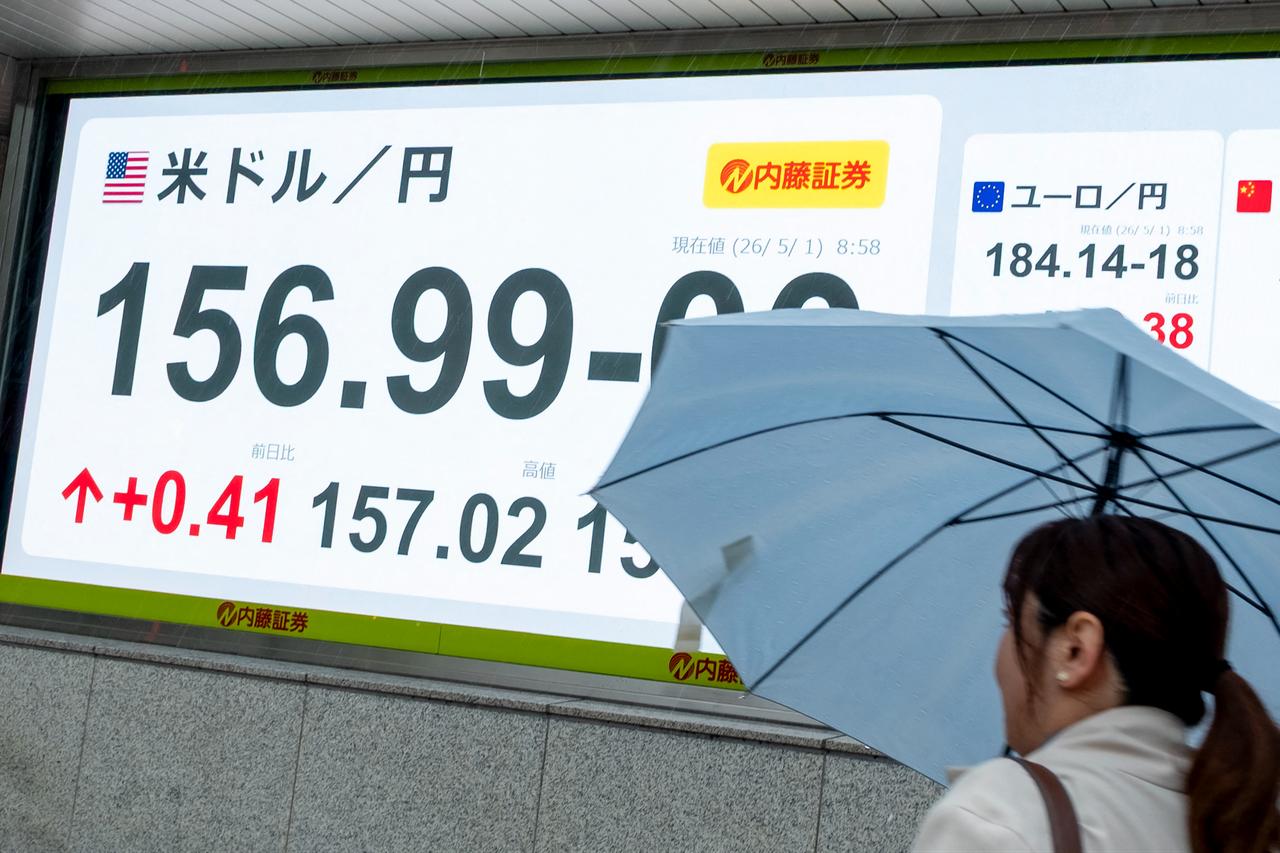


Japan has spent an estimated 10 trillion yen ($64 billion) to support its currency since late April, as authorities moved to slow a sharp depreciation driven by rising oil prices and a widening interest rate gap with the U.S.
The interventions reportedly began on April 30 after the yen weakened to nearly 160 against the U.S. dollar, its lowest level in almost two years. Since then, the currency has seen several sharp rebounds, fueling speculation over further government intervention, before settling around 157 against the dollar this week.
The intervention is nearly double the size of Japan’s last major currency operation in July 2024, when authorities spent roughly 5.5 trillion yen as the currency weakened toward 162 per dollar.
The pressure on the yen has largely stemmed from the significant difference between U.S. and Japanese interest rates.
For decades, Japan struggled with weak domestic demand and persistently low inflation, leading the Bank of Japan (BOJ) to maintain an ultra-loose monetary policy and near-zero interest rates. That environment changed when the global post-pandemic inflation surge pushed Japanese consumer prices above the BOJ’s 2% target for around four consecutive years.
Despite the inflation rise, the BOJ tightened policy far more gradually than the U.S. Federal Reserve. While the Fed kept the rates above 5% for an extended period, Japan’s benchmark interest rate currently stands at 0.75% even after multiple hikes.
The wide yield gap fueled carry trades, with investors borrowing cheaply in yen to invest in higher-yielding dollar assets, adding further pressure on the Japanese currency.
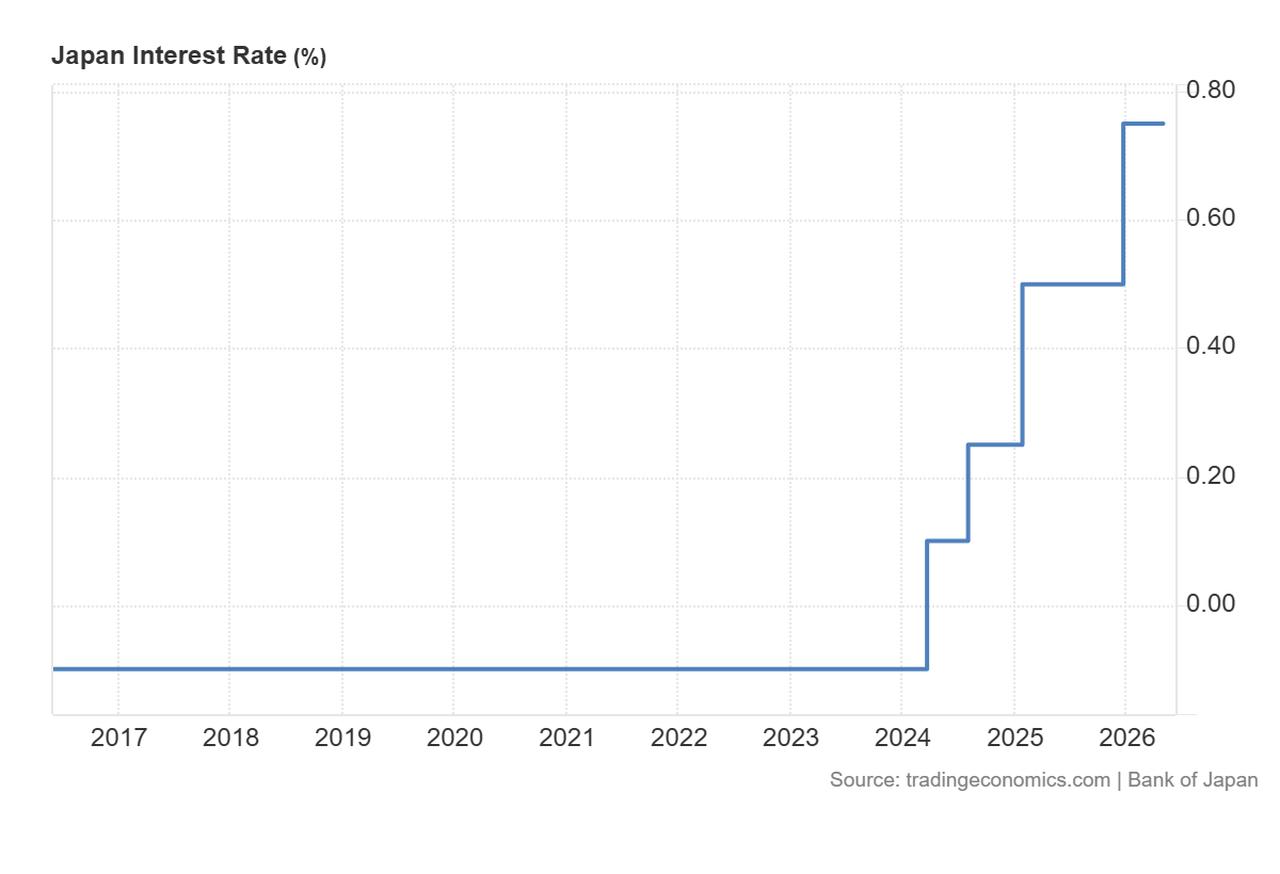

The BOJ left its policy rate unchanged at 0.75% in April but raised its inflation forecasts and lowered growth expectations as global energy prices remained elevated due to disruptions caused by the U.S-Iran war.
Japan’s central bank now expects inflation to reach 2.8% during the current fiscal year, up from its earlier projection of 1.9%. Officials noted that rising crude oil prices are likely to increase costs for energy and goods, while companies continue passing higher wages onto consumers.
The yen’s decline has also been amplified by Japan’s heavy dependence on imported energy, making the currency more vulnerable during periods of rising oil prices.
Meanwhile, U.S. Treasury Secretary Scott Bessent is expected to visit Japan next week for talks on currency issues and other economic matters before joining U.S. President Donald Trump in China, Nikkei reported.


 Set as preferred source
 Set as preferred source


 1 min read

 1 min read