Newsletters


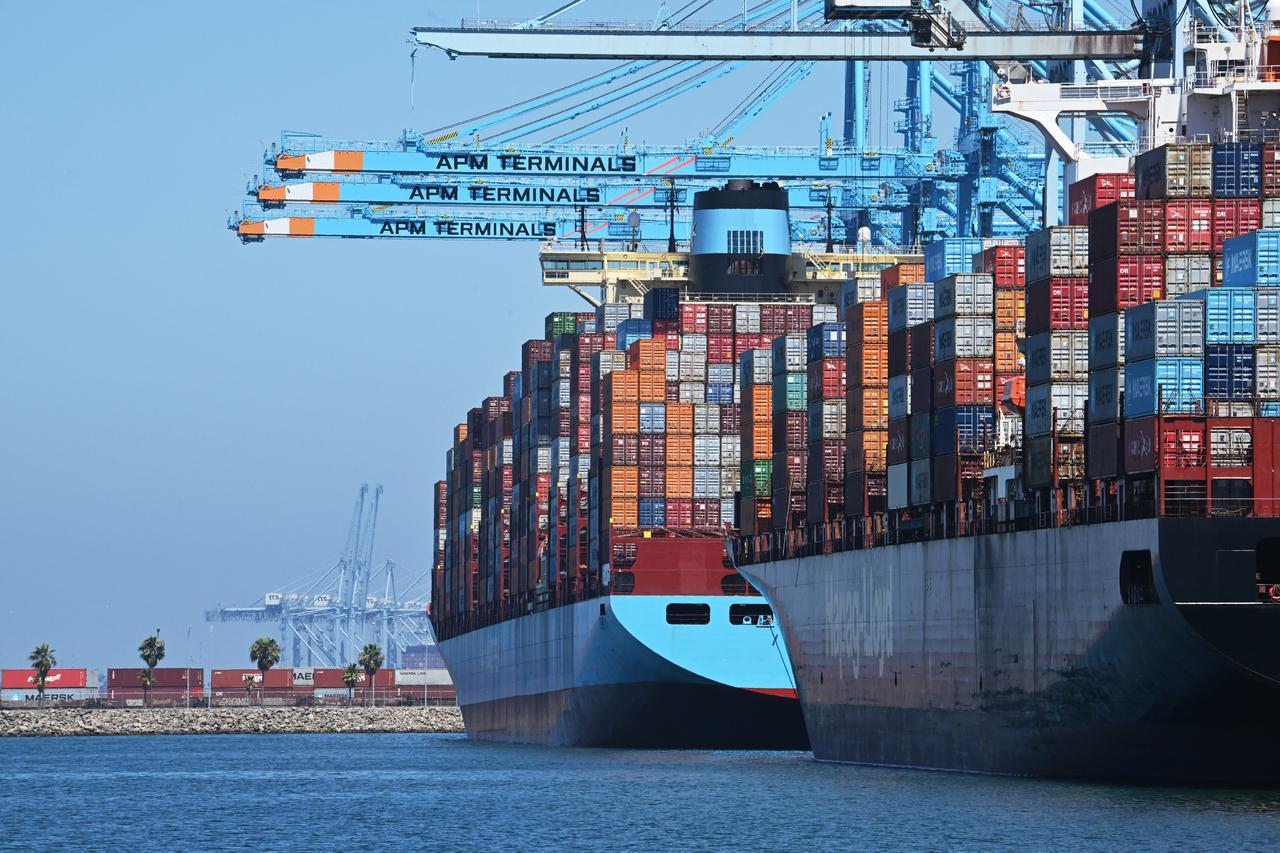


A U.S. federal trade court on Thursday ruled that President Donald Trump’s attempt to impose a temporary 10% global tariff was illegal, delivering another judicial setback to his trade agenda that rippled through global markets.
The three-judge panel at the U.S. Court of International Trade sided with a group of small businesses and the state of Washington in a 2-1 decision, finding that the tariff proclamation signed by Trump was "invalid" and that the duties imposed on the plaintiffs were not authorized by law.
Trump introduced the temporary tariffs in February after the U.S. Supreme Court struck down many of his earlier global duties imposed under emergency economic powers following his April 2025 "Liberation Day" tariff campaign.
The sweeping measures had triggered sharp volatility across global financial markets, fueled fears of a broader trade war and recession, and disrupted international supply chains as investors reacted to escalating tensions between Washington and major trading partners.
The administration attempted to preserve part of these tariffs by invoking Section 122 of the Trade Act of 1974, arguing the measure was needed to address current account deficit concerns. The tariff was designed to remain in place until late July unless Congress approved an extension.
However, the trade court concluded that the legal basis used by the administration did not fit the current economic situation.
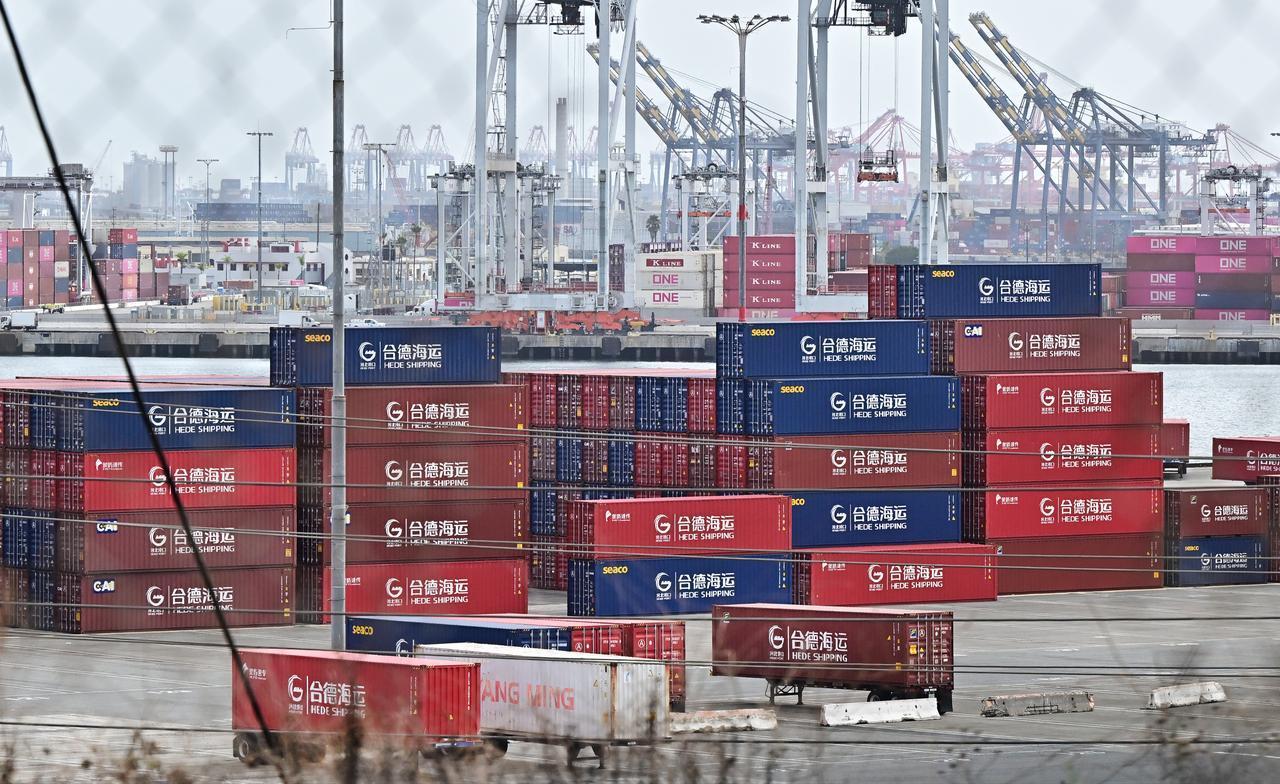

The ruling ordered the government to implement the decision within five days and instructed authorities to refund the importers involved in the case. The White House did not immediately comment on the decision, although the administration is expected to appeal.
The latest ruling affects only the temporary 10% global tariff and does not impact Trump’s sector-specific duties on steel, aluminum and automobiles.
At the same time, the administration has continued pursuing alternative trade measures by opening investigations into dozens of trading partners over forced labor and industrial-overcapacity concerns, steps that could later result in new tariffs or restrictions.
The decision also adds pressure on the government over tariff refunds. U.S. Customs and Border Protection estimated in March that more than 330,000 importers could qualify for repayments after the Supreme Court previously invalidated earlier duties that had generated around $166 billion in tariff collections and deposits.


 Set as preferred source
 Set as preferred source


 1 min read
 1 min read