Newsletters


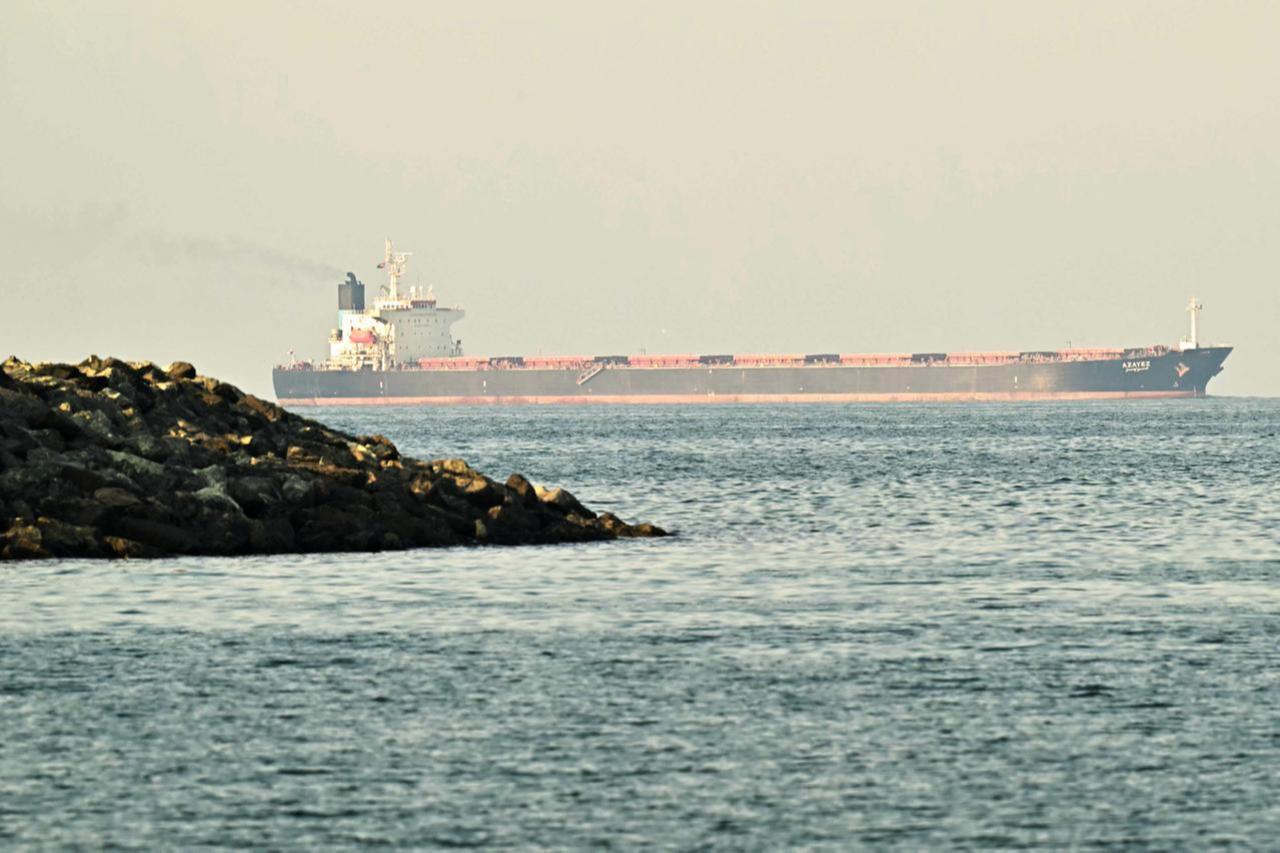


Recent escalating tensions around the Strait of Hormuz, fuelled by intensifying clashes between Iran and the U.S.-Israel axis, coupled with Tehran's threat to strike ships transiting the strait and its subsequent actions, have once again exposed the fragile equilibrium within the international system between energy security, trade continuity and geopolitical competition.
In today's era of globalisation, the security of energy flows is shaped by market expectations, insurance costs and perceptions of logistical risk.
Consequently, the interaction between military tensions on the ground and market behaviour has become a defining element of energy geopolitics.
The current situation demonstrates that even without a physical closure, commercial flows can come under pressure due to the actual slowdown in traffic through the Strait of Hormuz (maritime traffic has decreased by more than 80%) and the rapid rise in risk premiums.
In other words, even before the strait is completely closed, increasing security concerns, insurance costs and freight risks are producing chain reactions in the global energy and trade system.
Indeed, recent developments confirm once again that energy supply security is not just a matter of physical flows; it is a multi-layered security issue involving financial, insurance and geopolitical dimensions.
At the present juncture, the high dependence of Asian economies on Gulf hydrocarbons and the transit geopolitics of Central Asia converge in the same risk pool.
Consequently, developments centered on the Strait of Hormuz produce multi-layered consequences that extend far beyond the Middle East and are felt across Eurasia.
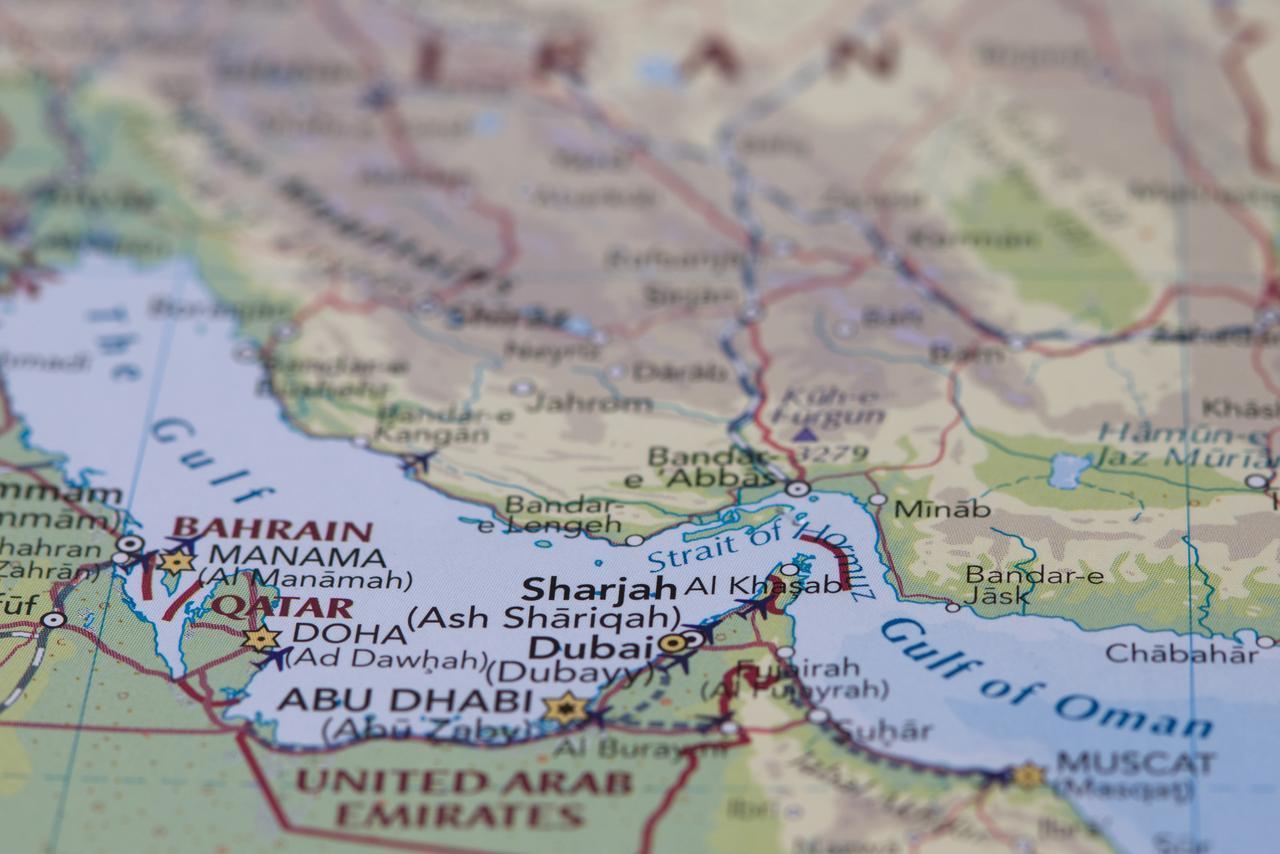

Approximately one-fifth of global oil trade and a significant portion of LNG transported by sea pass through the Strait of Hormuz, making it one of the key nodes of global economic stability.
The fact that approximately 20 million barrels of oil flow daily through this narrow corridor creates a structural vulnerability, particularly for Asian economies that follow an import-dependent growth model.
The weight of Gulf sources in the energy mix of major consumers such as China, India, Japan and South Korea is causing the current tension to transcend regional boundaries and generate systemic risk.
In particular, China's simultaneous dependence on both Iranian oil and Gulf suppliers demonstrates the limited nature of the energy security buffers Beijing has sought to develop in recent years.
Strategic oil reserves and increased discounted crude oil purchases from Russia may provide short-term relief; however, neither has the capacity to fully compensate for a large-scale disruption originating in Hormuz.
The critical point here is that in modern energy markets, financial and insurance channels come into play before physical disruption.
Indeed, recent developments, including increases in tanker insurance premiums, surges in freight costs, and some ships waiting around the straits, reveal that the distinction between physical closure and economic closure is becoming increasingly blurred.
Nowadays, military blockades are not always necessary to disrupt energy flows; an increase in risk perception alone can render commercial transit unsustainable.
Although oil markets possess a certain degree of flexibility, the more rigid structure of the LNG market could deepen the impact of the crisis.
The destination clauses in LNG contracts, limited spare capacity, and constrained storage facilities create conditions in which delays in shipments from Qatar can trigger cascading price shocks. In such a scenario, Asian buyers are highly likely to enter direct competition with Europe for substitute LNG supplies.
Such a scenario would create inflationary pressures across a wide range of areas, from energy bills to electricity costs, fertiliser production to industrial inputs and food prices.
This situation could strain fiscal balances, particularly for developing Asian economies that rely on fuel subsidies. If geopolitical risks strengthen the U.S. dollar, import inflationary pressures would intensify further.
Consequently, the impact of the conflicts on Hormuz is reopening debate on the assumption of “cheap and uninterrupted energy” on which Asia's post-Cold War growth model is based.
Although the region's technological progress and economic diversification provide an important buffer, the strategic vulnerability created by energy dependence has not been eliminated.
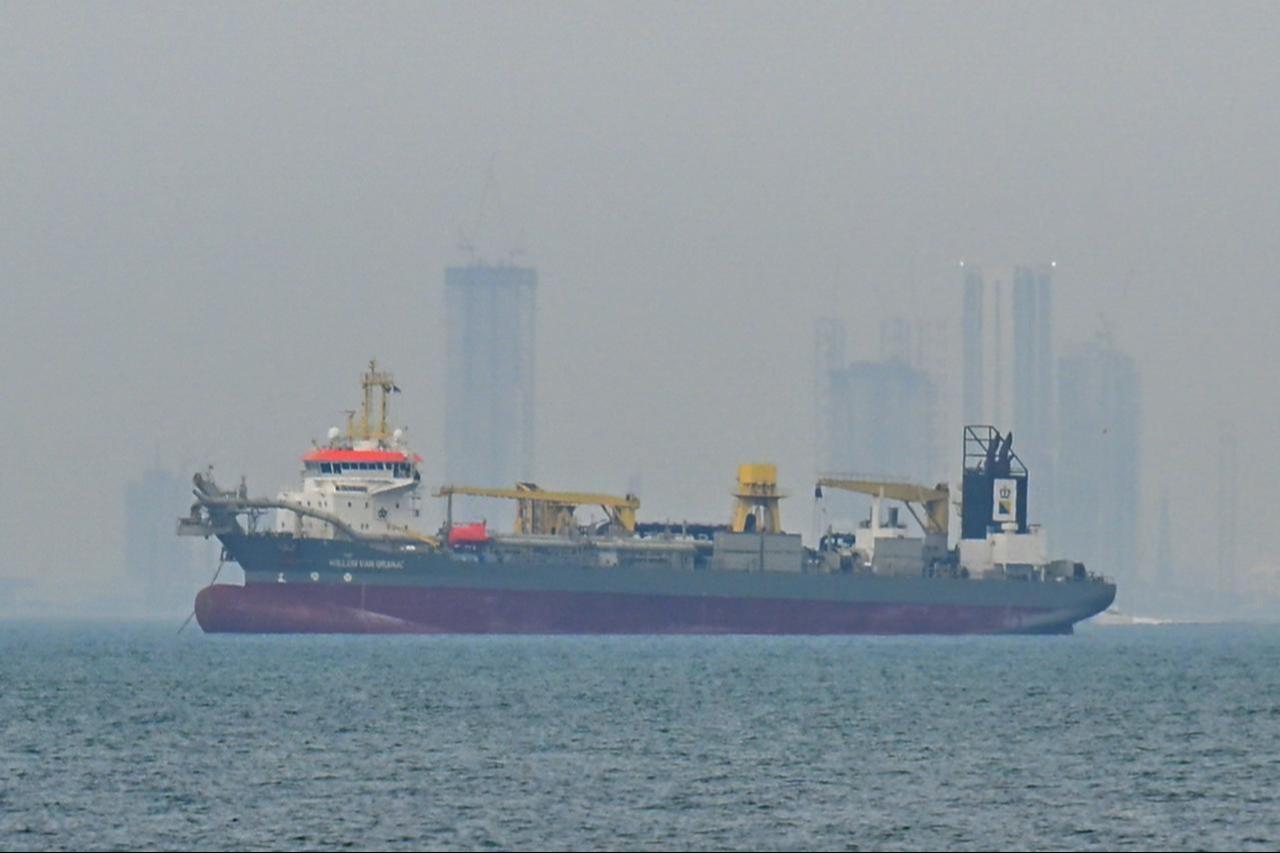
The effects of tensions around Hormuz are often seen directly through energy importers; however, Eurasia's landlocked economies also have the potential to be indirectly but significantly affected by these fluctuations.
Even if Central Asian countries are not dependent on large-scale oil shipments from the Gulf, rising global energy prices, logistics costs and uncertainties in trade routes could put pressure on regional economies.
For economies highly dependent on fuel imports, such as Kyrgyzstan and Tajikistan, the most immediate risk is the cost increase that will be felt through pump prices. In these countries, there is a high probability that the rise in energy prices will quickly be reflected in food and basic consumer goods.
Particularly in economies with fragile budget balances, the sustainability of fuel subsidies may become a matter of debate.
In contrast, for larger and relatively diversified economies such as Kazakhstan and Uzbekistan, the issue is more about geo-economic positioning.
The competition between the routes extending to the Persian Gulf via Iran, the International North-South Transport Corridor and the Trans-Caspian route is expected to intensify with the current crisis. Whenever the risk premium on sea routes rises, the relative appeal of land corridors increases.
This situation presents a paradoxical picture for Central Asia: while the risk of being negatively affected by short-term energy price shocks is increasing, the region's potential to become a transit hub is strengthening in the medium and long term.
Indeed, Kazakhstan's steps toward developing the Trans-Caspian International Transport Route, Uzbekistan's multi-corridor strategy, and the region's countries' increasing diplomatic contacts with Gulf actors should be seen as signs of this strategic repositioning.
However, Central Asia's ability to fully capitalise on this window of opportunity depends on overcoming existing infrastructure limitations.
The limited capacity of the Caspian Sea transit route, bottlenecks in port infrastructure, differences in railway standards, and inconsistencies in customs procedures make it difficult for the region to make a rapid leap in global supply chains.
Therefore, geopolitical opportunity alone will not be sufficient to gain a lasting advantage in corridor competition; large-scale infrastructure investments and regional coordination will be required.
From Türkiye's perspective, current developments are once again increasing the strategic value of the Middle Corridor.
Strengthening the Caspian transit routes, deepening port-railway integration and digitising customs processes could increase the competitiveness of Türkiye-linked routes in Eurasian trade.
In this context, the crisis in Hormuz presents Ankara with both an area of uncertainty where risks must be carefully managed and a strategic moment where geo-economic opportunities can be evaluated.


 Set as preferred source
 Set as preferred source


 1 min read
 1 min read