Newsletters


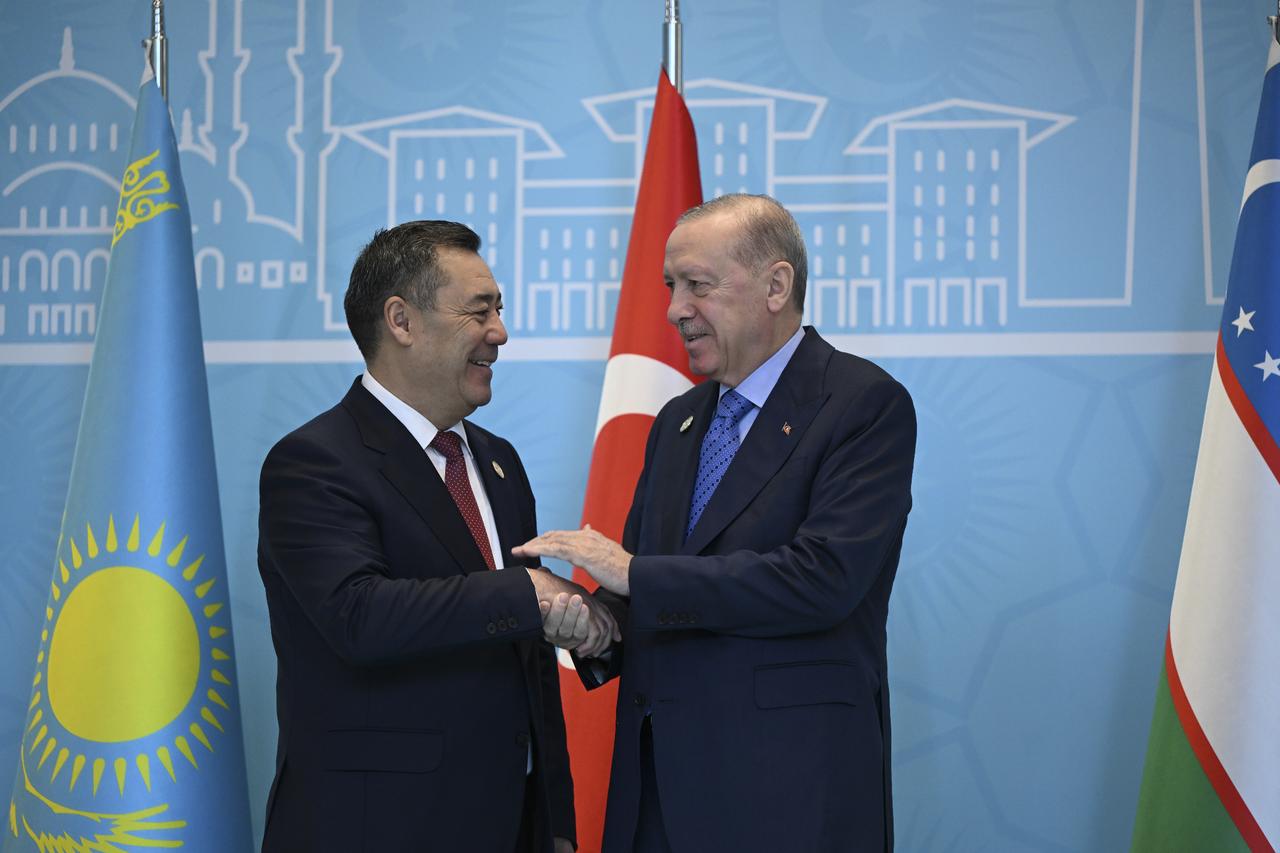


Kyrgyz President Sadyr Japarov highlighted Turkish company Ihlas Holding's participation in the Kazarman Hydropower Cascade project Friday as an example of successful energy cooperation, calling for greater investment in Kyrgyzstan's largely untapped hydroelectric resources.
Addressing the 13th Summit of Heads of State and Government of the Organization of Turkic States (OTS) in Ankara, Japarov emphasized his country's significant hydropower potential and opportunities to expand renewable energy production.
"The Kyrgyz Republic has significant hydroelectric power potential and extensive opportunities for developing renewable energy resources. Only about 15% of the country's hydroelectric potential is currently being utilized," Japarov said.
"As one example of successful cooperation in this field, I would like to highlight the Kazarman Hydropower Cascade project, which is being implemented with the participation of Turkish company Ihlas Holding," he added.
The Kyrgyz president also invited international investors to explore further opportunities in the country's energy sector.
"To develop mutually beneficial cooperation in the energy sector, I invite all interested investors to participate in implementing joint ventures."
The Kazarman Hydroelectric Power Plant project, run by Türkiye's Ihlas Holding, will have a total installed capacity of 912 megawatts, making it one of the major hydropower investments outlined in Kyrgyzstan's energy development plans.
The project is expected to strengthen the country's electricity supply, support industrial production, and expand its capacity to export energy to neighboring markets once operational.
By harnessing Kyrgyzstan's water resources for electricity generation, the development is also expected to contribute to the country's long-term economic development and energy independence objectives.
The investment is regarded as strategically important for Kyrgyzstan's efforts to modernize its energy infrastructure, expand domestic electricity generation and strengthen its position in the regional energy market.
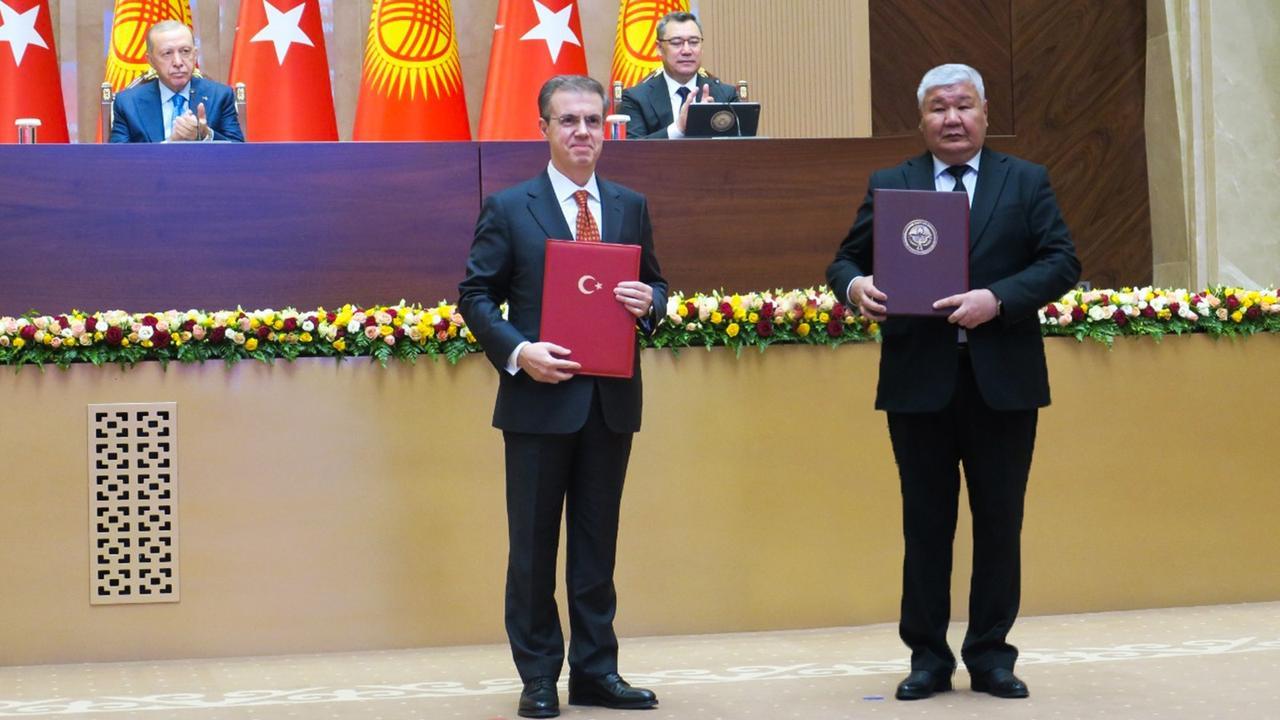

Japarov identified greater connectivity and energy cooperation as priorities for relations among Turkic states.
"The removal of Kyrgyz airlines from the European Union's Air Safety List will create new opportunities for developing air transportation between our countries. Our second priority is to increase energy cooperation."
His remarks underscored Kyrgyzstan's interest in strengthening transportation links alongside expanding joint energy projects and attracting investment from fellow OTS members.
Beyond energy development, Japarov highlighted the growing environmental challenges facing Kyrgyzstan, particularly climate change and melting glaciers.
"Our third priority is combating climate change. Climate change and the melting of glaciers pose serious risks.
"Therefore, we need to accelerate the implementation of joint projects aimed at protecting mountain ecosystems.
"In this context, I would like to advance our initiative to establish a trust fund under the auspices of the United Nations to protect Issyk-Kul Lake.
"I invite all interested partners to cooperate in supporting this initiative and contributing to its implementation."
The proposed fund would focus on protecting Issyk-Kul Lake, while Japarov's broader appeal called for joint efforts to preserve vulnerable mountain ecosystems.
Türkiye is hosting the two-day OTS summit on Oct. 29-30 under the theme "Turkic Century: Unity in Language, Thought and Deed."
The gathering focuses on strengthening regional cooperation and solidarity among member states while advancing the organization's Turkic World Vision 2040.
Established in 2009 as the Turkic Council, the organization adopted its current name at its eighth summit in Istanbul in 2021.
The OTS comprises five member states: Türkiye, Azerbaijan, Kazakhstan, Uzbekistan and Kyrgyzstan.
Turkmenistan, Hungary, the Turkish Republic of Northern Cyprus (TRNC) and the Economic Cooperation Organization hold observer status.


 Set as preferred source
 Set as preferred source


 2 min read


 1 min read