Newsletters


Turkish conglomerate Ihlas Holding on Thursday launched construction of the Kazarman Hydropower Project in Kyrgyzstan, kicking off the first phase of a broader energy investment program spanning hydropower and natural gas generation projects across the Central Asian country.
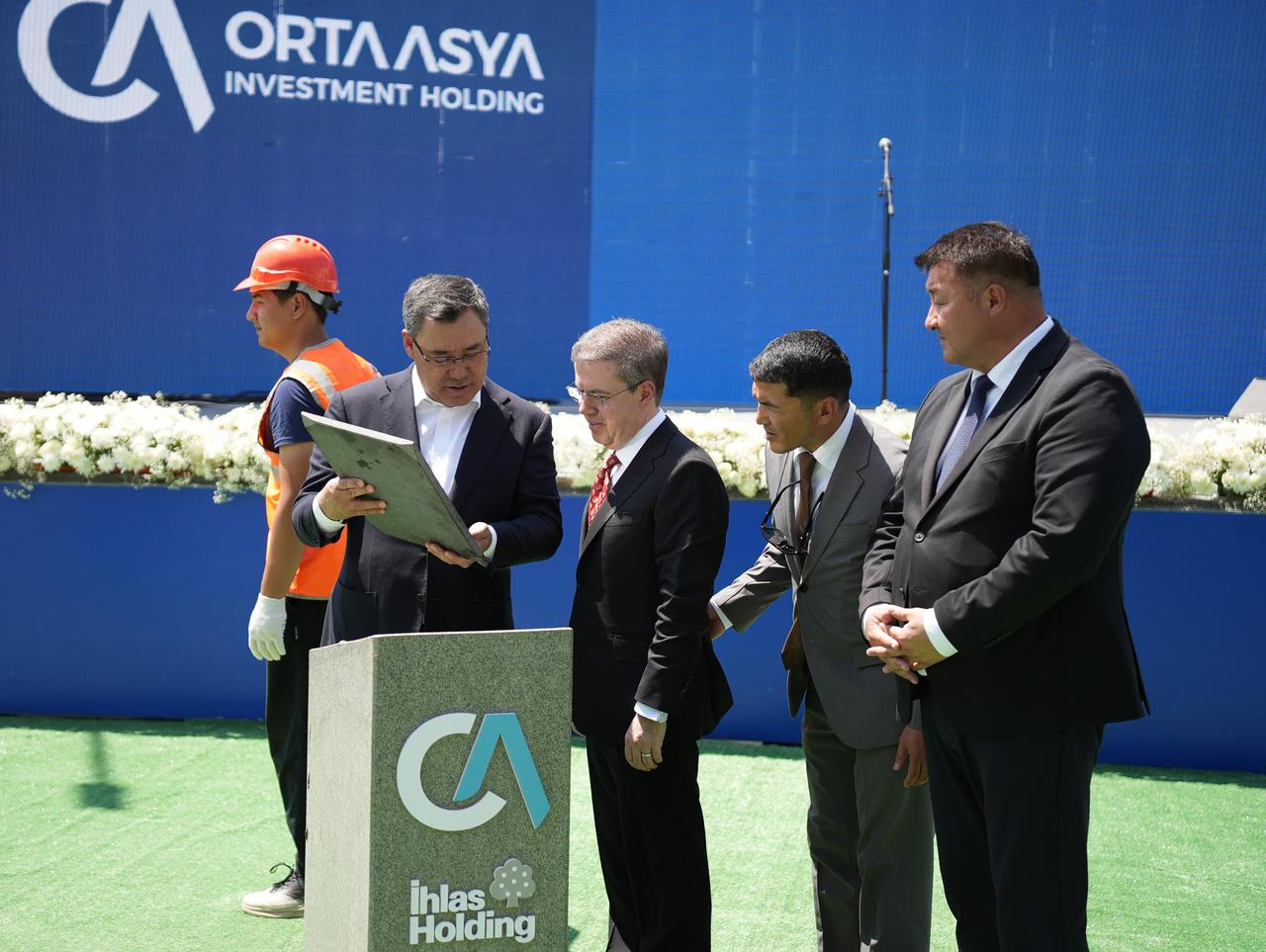
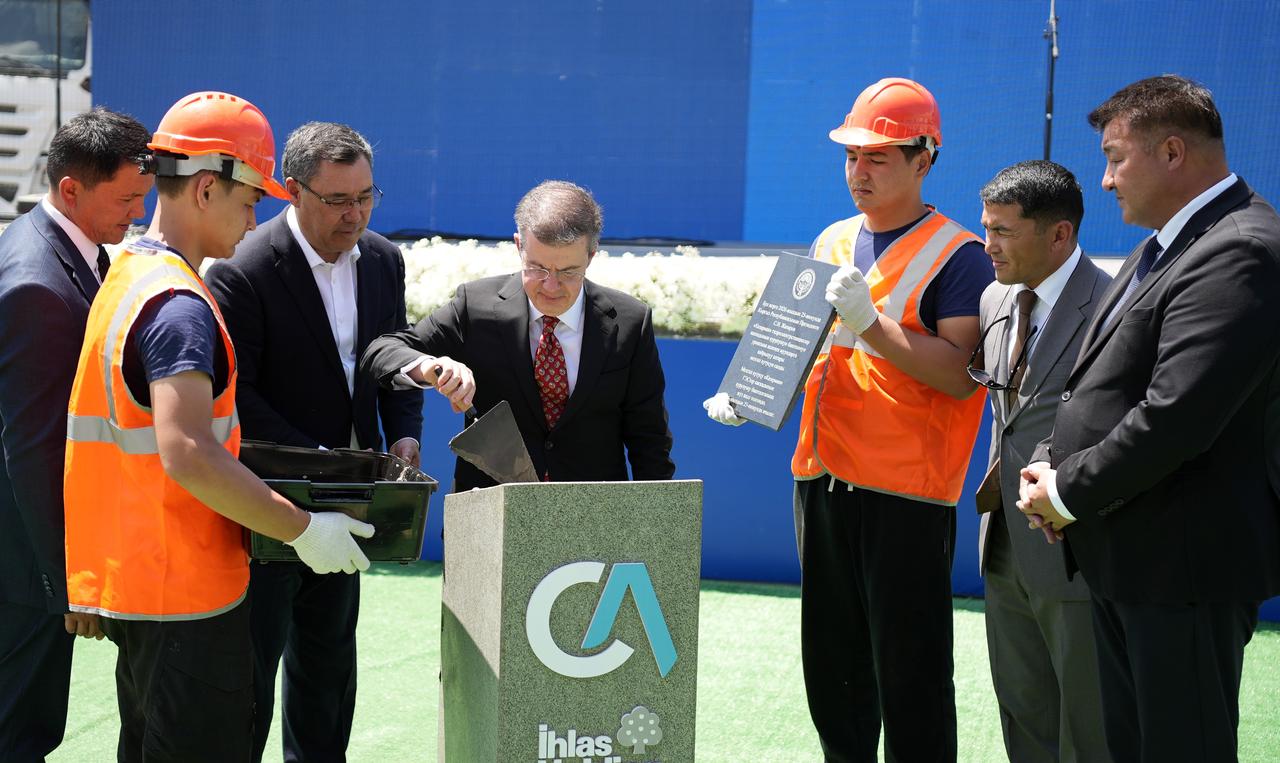
The capsule ceremony was held in the Kazarman region and attended by Ihlas Holding Chairman Ahmet Mucahid Oren, Kyrgyz President Sadyr Japarov, Prime Minister Adylbek Kasymaliev, Energy Minister Altinbek Rysbekov, Turkish Ambassador to Kyrgyzstan Mekin Mustafa Kemal Okem and other senior officials.
Ahead of the ceremony, President Recep Tayyip Erdogan congratulated Ihlas Holding in a written message, describing the Kazarman Hydropower Project as an important step for Kyrgyzstan's energy sector and regional development.
He also thanked Kyrgyz President Sadyr Japarov and the Kyrgyz authorities for supporting the investment, while highlighting Türkiye's position as one of the country's leading investors.
Ihlas Holding Chairman Ahmet Mucahid Oren likewise described the launch as "a truly historic day," saying the project would increase Kyrgyzstan's installed electricity capacity by around 20% and serve as a strategic investment for both the country and the wider Turkic world.
He added that Kazarman marks the beginning of Ihlas Holding's long-term expansion into Kyrgyzstan's energy sector, with additional major projects already under preparation.
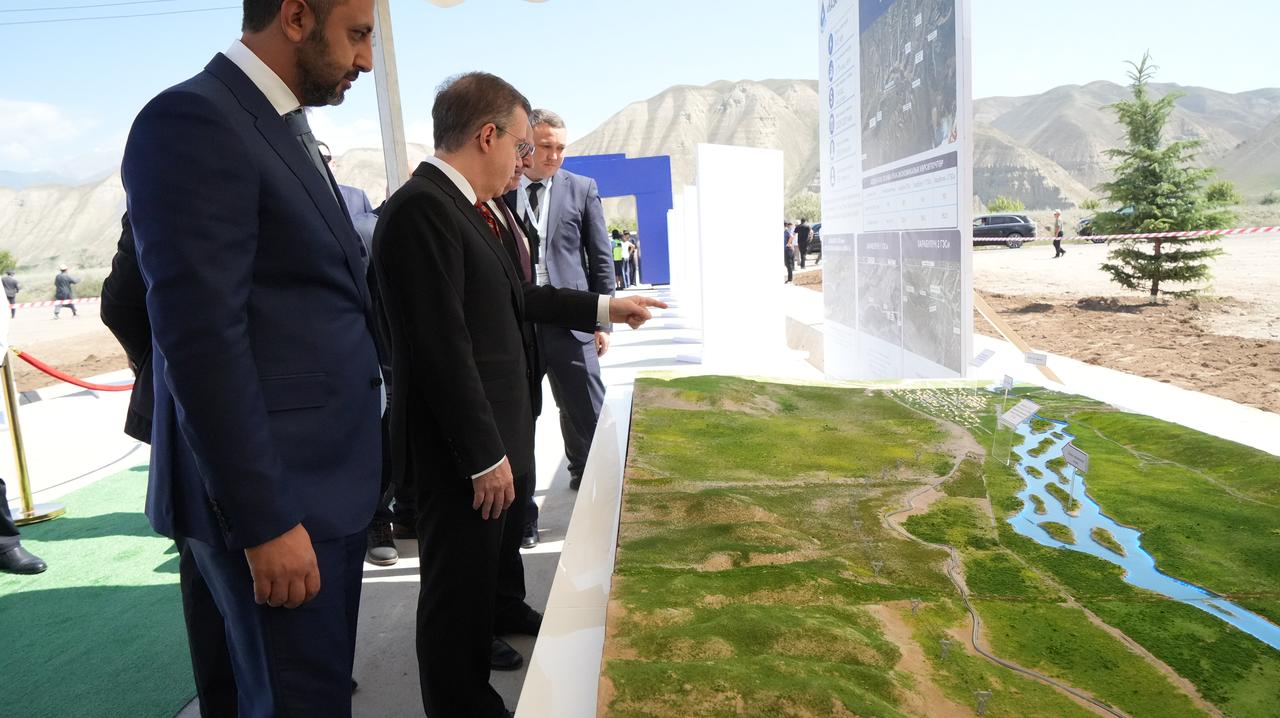

Speaking at the ceremony, Ihlas Holding Chairman Ahmet Mucahid Oren said the project represents more than a major energy investment.
"Today, we are not only holding the capsule ceremony of a major hydroelectric power plant; we are also reinforcing the foundation of a historic vision that will shape Kyrgyzstan's economic future, energy independence and regional strength."
Oren said the 912 MW Kazarman Hydropower Project would combine Kyrgyzstan's natural resources with world-class engineering while contributing to industrial production, employment, infrastructure development and regional economic cooperation.
"This investment goes beyond meeting the country's energy needs; it will have a broad impact ranging from industrial production and employment to infrastructure development and regional economic cooperation. The Kazarman Hydropower Project will become one of the landmark projects for Kyrgyzstan's future economic growth and energy security."
Providing technical details, Oren said the Ala-Buga Hydroelectric Power Plant would have 600 MW of installed capacity and generate 2.36 billion kilowatt-hours of electricity annually. Kara-Bulun-1 would have 149 MW of capacity and annual generation of 536 million kilowatt-hours, while Kara-Bulun-2 would have 163 MW of capacity and produce 852 million kilowatt-hours annually.
"This giant project will make a strong contribution to the country's electricity supply with average annual generation of 3.75 billion kilowatt-hours. With an investment of approximately $3 billion, it is not only an energy project but also a strategic infrastructure initiative supporting regional development."
Oren said construction would create around 2,000 jobs, while about 150 permanent positions would remain once the facilities become operational.
"The project is a strong example of partnership serving Kyrgyzstan's long-term growth vision. Along with electricity generation, it will create lasting value through employment, technology transfer and regional prosperity."
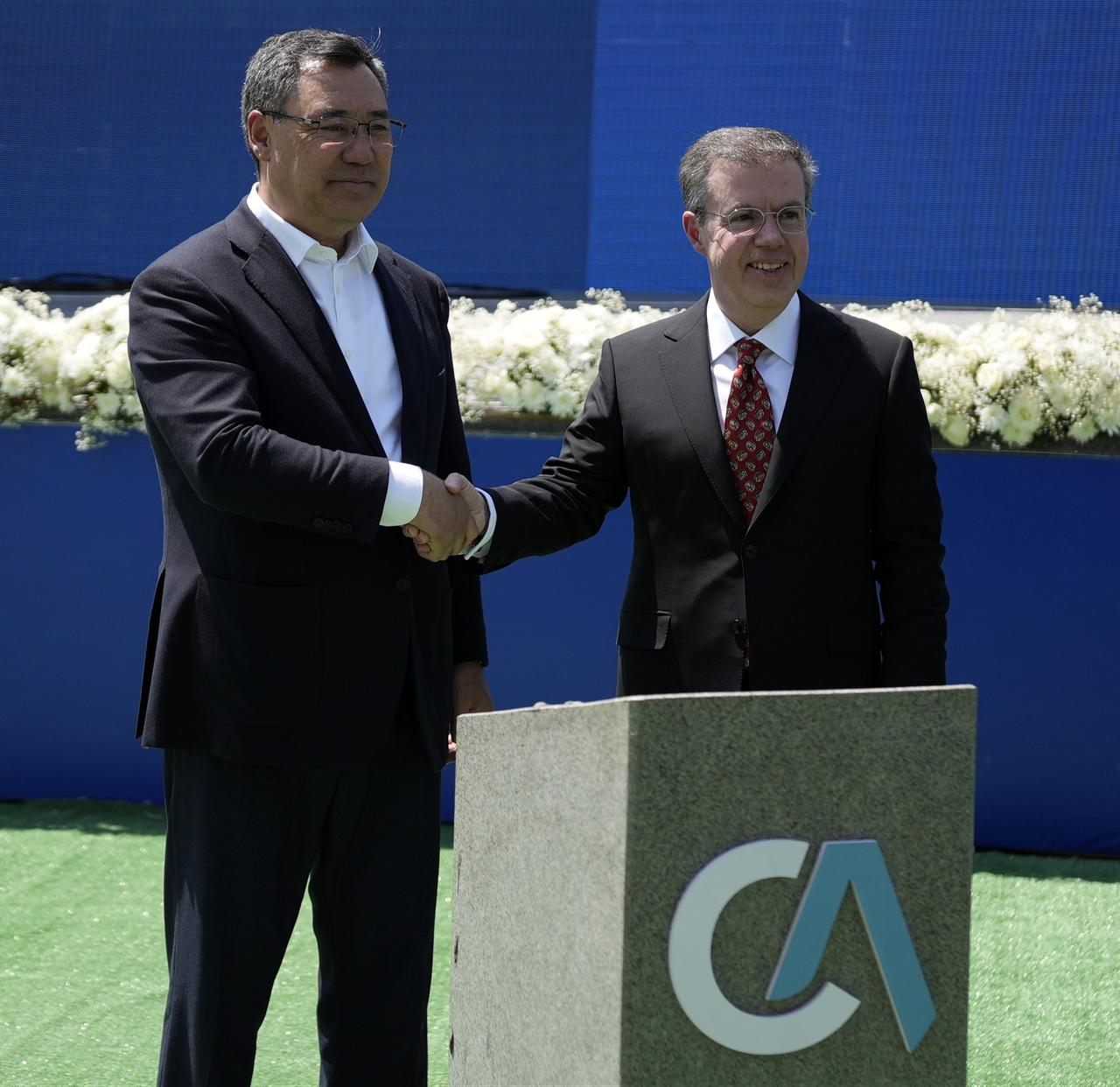
Kyrgyz President Sadyr Japarov described the Kazarman Hydroelectric Power Plant as one of the largest energy projects in the country's history, saying it would play a strategic role in strengthening the country's energy independence.
"The Kazarman Hydroelectric Power Plant will be one of the largest energy projects in the history of our independence," Japarov said. "We should regard the project whose foundation we lay today as a strategic initiative that will shape Kyrgyzstan's energy future."
Japarov noted that the Naryn River's hydropower potential had been studied during the Soviet era, but economic difficulties following independence prevented the project from being realized. Describing the capsule placement as more than a symbolic act, he said: "This capsule is not merely a collection of wishes and aspirations. It represents the hope of our people and a legacy entrusted to future generations."
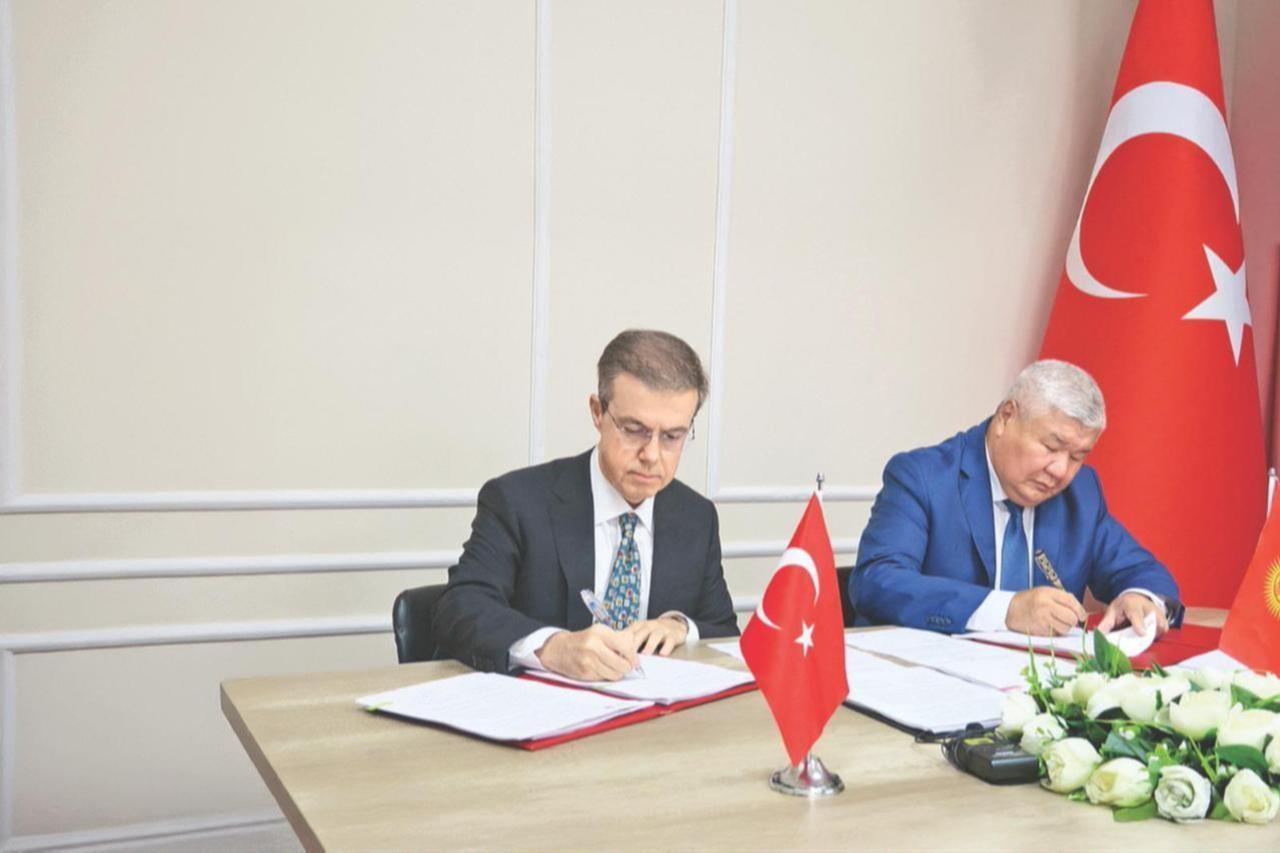
The investment is being carried out through Orta Asya Investment Holding, a subsidiary of Ihlas Holding, under agreements reached with the Kyrgyz authorities in 2024.
Valued at approximately $3 billion, the Kazarman hydropower cascade is being developed in Kyrgyzstan's Jalal-Abad region, in the Toguz-Toro district, on a section of the Naryn River between the Ala-Buga and Kokomeren rivers.
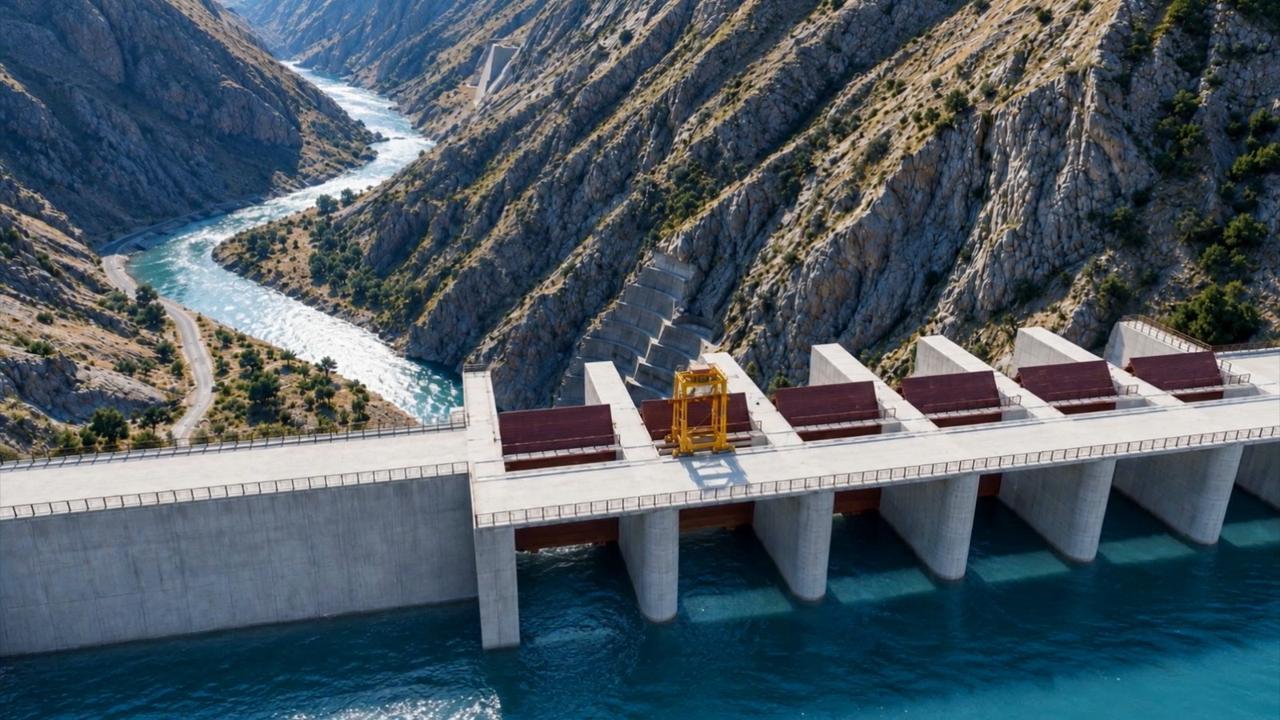
The project consists of three hydropower plants with a combined installed capacity of 912 MW, including the 600 MW Ala-Buga HPP, the 149 MW Kara-Bulun-1 HPP, and the 163 MW Kara-Bulun-2 HPP, according to information published on the company's website.
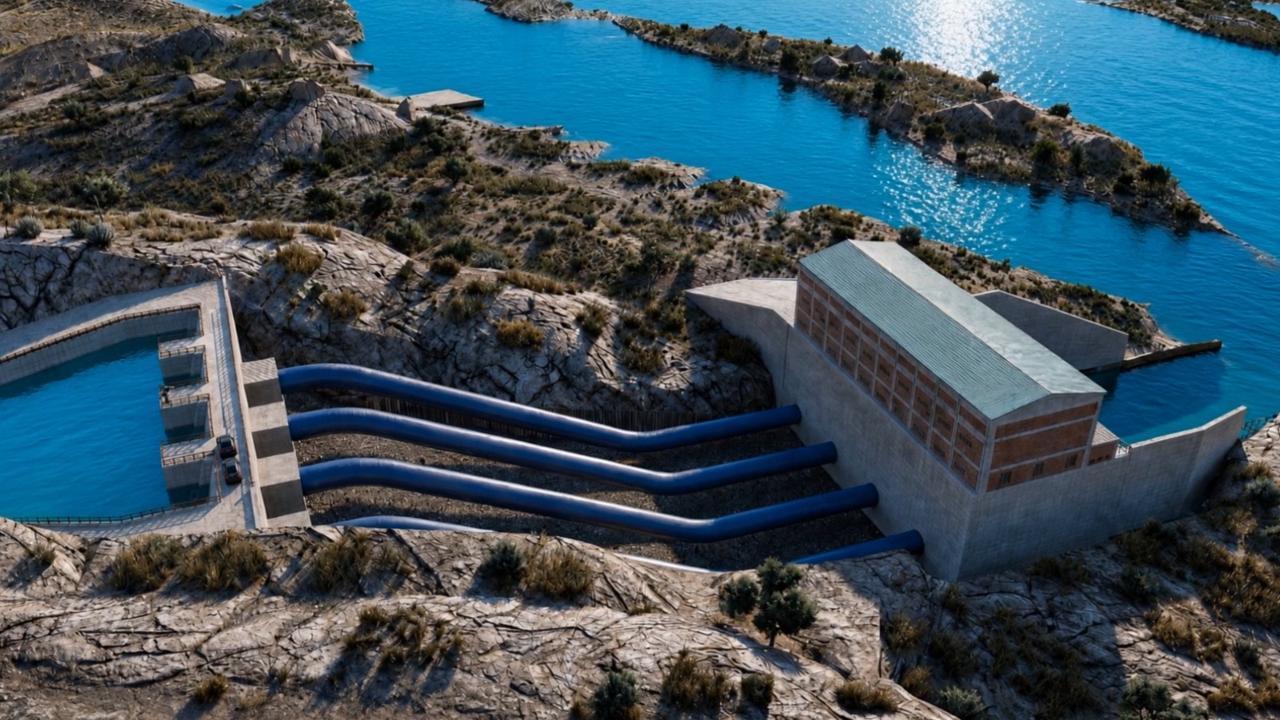
According to the company, the Ala-Buga plant is expected to generate 2.36 billion kilowatt-hours of electricity annually and will include a 235-meter-high dam. Kara-Bulun-1 will produce 536 million kilowatt-hours annually, while Kara-Bulun-2 is expected to generate 852 million kilowatt-hours. Together, the three facilities are projected to produce approximately 3.75 billion kilowatt-hours of electricity each year.
Construction of the Kazarman project is expected to create around 2,000 jobs, with approximately 150 permanent positions once the facilities become operational.
The Kazarman project forms part of a broader energy investment package that also includes the Kokomeren hydropower cascade and the Bishkek CHPP-2 natural gas combined-cycle power plant. Together, the projects are expected to add 2,467 MW of installed generation capacity, significantly expanding Kyrgyzstan's electricity generation capabilities.
The projects include 20-year operating rights and state-backed electricity purchase guarantees. Once completed, the developments are expected to generate between 8 billion and 9 billion kilowatt-hours of electricity annually, helping meet rising domestic demand while creating opportunities for electricity exports.
Ihlas Holding estimates the investments could also reduce carbon emissions by around 5 million tons of CO₂ equivalent each year.
The Kazarman hydropower cascade has also drawn positive assessments from Kyrgyz energy specialists, who view it as one of the country's most realistic large-scale hydropower developments and a key step toward addressing long-term electricity shortages.
Independent Kyrgyz energy expert Myrzatai Sultanaliev has described the Kazarman cascade as one of the few major hydropower projects with a genuine chance of being completed, citing the presence of committed investors and strong government backing.
In an interview with Kyrgyz media, he said the project stands apart from numerous hydropower proposals that have remained at the planning stage for years, arguing that Kazarman has already progressed into implementation.
According to Sultanaliev, once completed the project could make a meaningful contribution to preventing future electricity shortages by significantly expanding Kyrgyzstan's domestic generation capacity while allowing the country to make greater use of its vast untapped hydropower resources.
He noted that the country's abundant mountain rivers provide one of Central Asia's largest renewable energy reserves, much of which remains undeveloped.
A World Bank investment overview identifies the Kazarman cascade as one of Kyrgyzstan's flagship undeveloped hydropower assets, noting that the country currently utilizes only a small share of its technically feasible hydropower potential despite possessing one of the largest renewable energy resources in the region.
The report underscores the project's strategic location on the Naryn River system and its expected role in expanding renewable electricity production while strengthening long-term energy security.
Kyrgyz energy authorities likewise regard the development as a strategic component of the country's power sector expansion. According to the Ministry of Energy, the 912-megawatt cascade is expected to strengthen the reliability of the national electricity system, increase export opportunities and support industrial growth as electricity demand continues to rise.
The project also reflects Kyrgyzstan's broader strategy of attracting foreign investment to unlock its largely untapped hydropower resources. Although the country is estimated to possess one of the highest hydropower potentials in Central Asia, only a relatively small portion has been developed, leaving significant room for new generation capacity as domestic demand and regional electricity trade continue to expand.
 2 min read
The larger Kokomeren, or Suusamyr-Kokomeren, hydropower cascade is planned on the Kokomeren River, a tributary of the Naryn River. Spanning parts of Jaiyl district in Chui oblast and Toktogul district in Jalal-Abad oblast, the project is designed to deliver 1,305 MW of installed capacity through three hydropower plants and generate an estimated 3.317 billion kWh of electricity annually.
The development is expected to take eight years to complete and carries an estimated investment cost of $3.3 billion. Technical specifications indicate a maximum turbine flow rate of 120 cubic meters per second at design head.
The investment package also includes the Bishkek CHPP-2 natural gas combined-cycle power plant. The facility will have 250 MW of electrical generation capacity and 130 gigacalories per hour of thermal capacity, supplying both electricity and heat to the Kyrgyz capital.
The plant is designed around an open heating system and will connect to the national grid through the Ala-Archa substation. According to project documentation, it will initially receive 40,000 cubic meters of natural gas per hour from Gazprom Kyrgyzstan, with infrastructure planned to increase supply capacity to 100,000 cubic meters per hour.
Earlier project disclosures valued the investment at approximately $300 million and targeted commissioning in the fourth quarter of 2027.


 Set as preferred source
 Set as preferred source




 1 min read