Newsletters


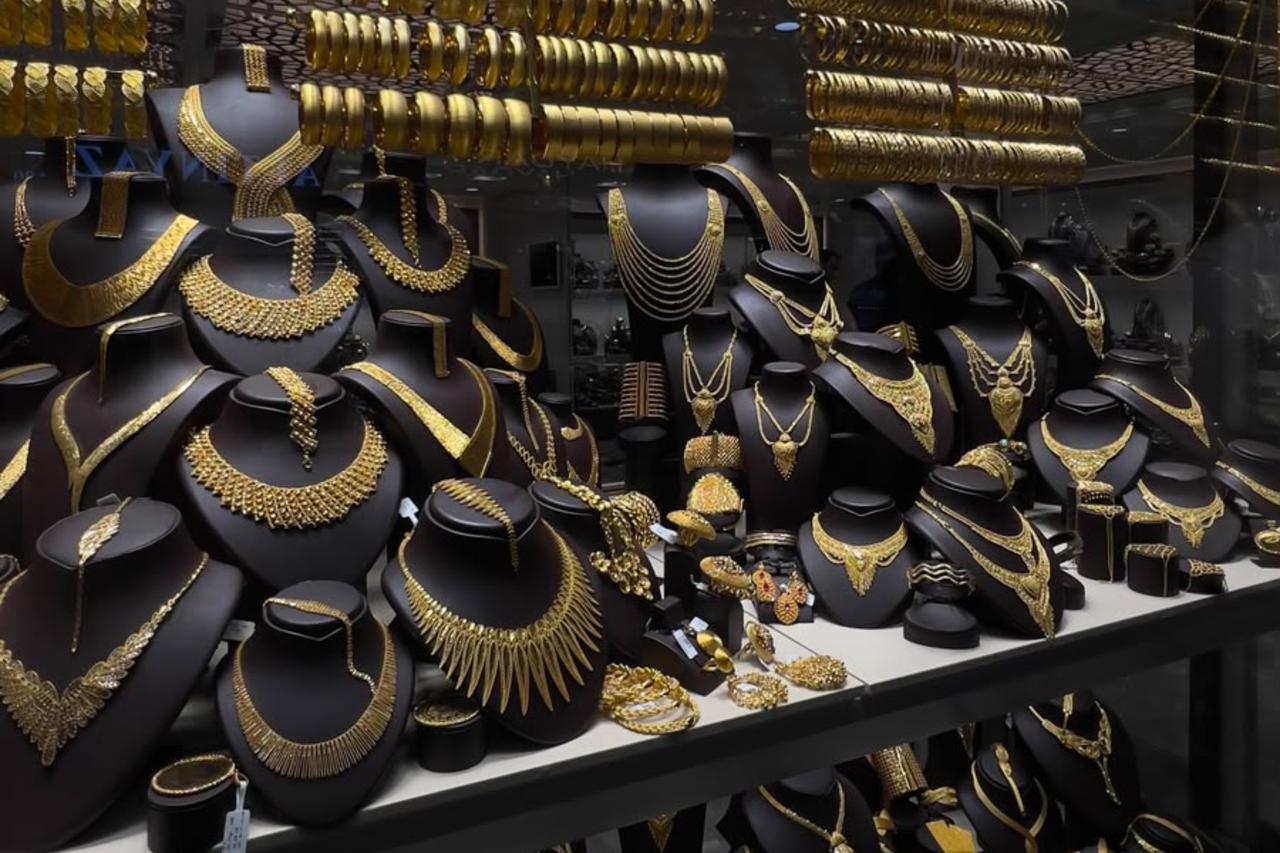


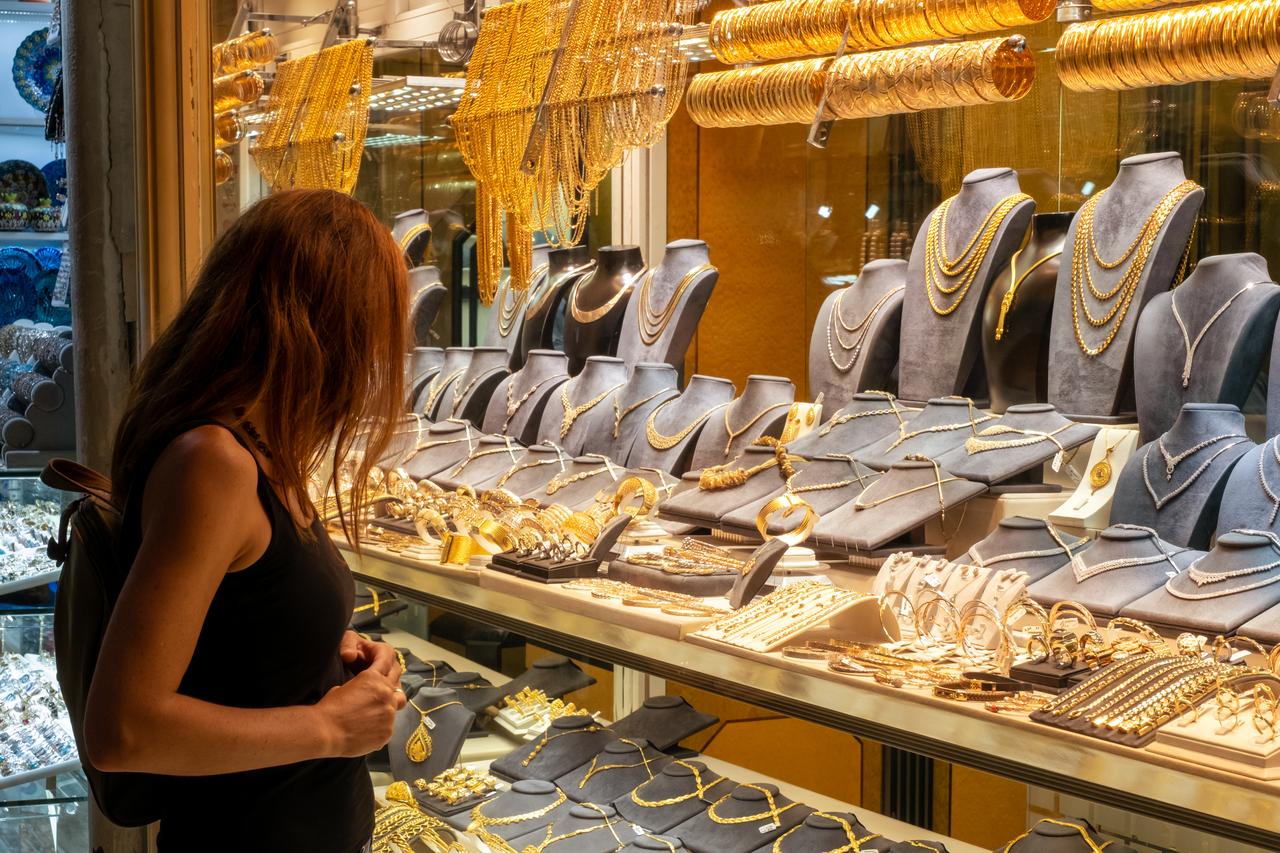
Every few shops inside Istanbul's Grand Bazaar, another jewelry window glows with bracelets, necklaces, and rows of gold coins. Customers stop, compare prices, pull folded bundles of Turkish lira from their pockets, and ask the same question.
"How many grams?"
The answer has become more important than ever.
Gold remains a fundamental centerpiece of Turkish culture, serving as the traditional bedrock for personal savings, milestone gifts, and especially weddings. Today, however, sky-high prices are forcing a shift in tradition. Even with a slight pullback from the historic peaks of early 2026, the precious metal remains exceptionally expensive for the average household.
This economic squeeze is colliding directly with a shifting demographic landscape.
Türkiye's marriage rate has plummeted from 8.35 per thousand people in 2001 to 6.65 per thousand in 2024, while nearly 40% of young adults now report they have no intention of marrying at all. Together, these dual pressures are forcing families to adapt—compelling them to purchase lighter, less expensive pieces without entirely abandoning the age-old tradition.
Behind the counter at Beydag Jewelry, Umit Karaca has watched that change happen one wedding at a time.
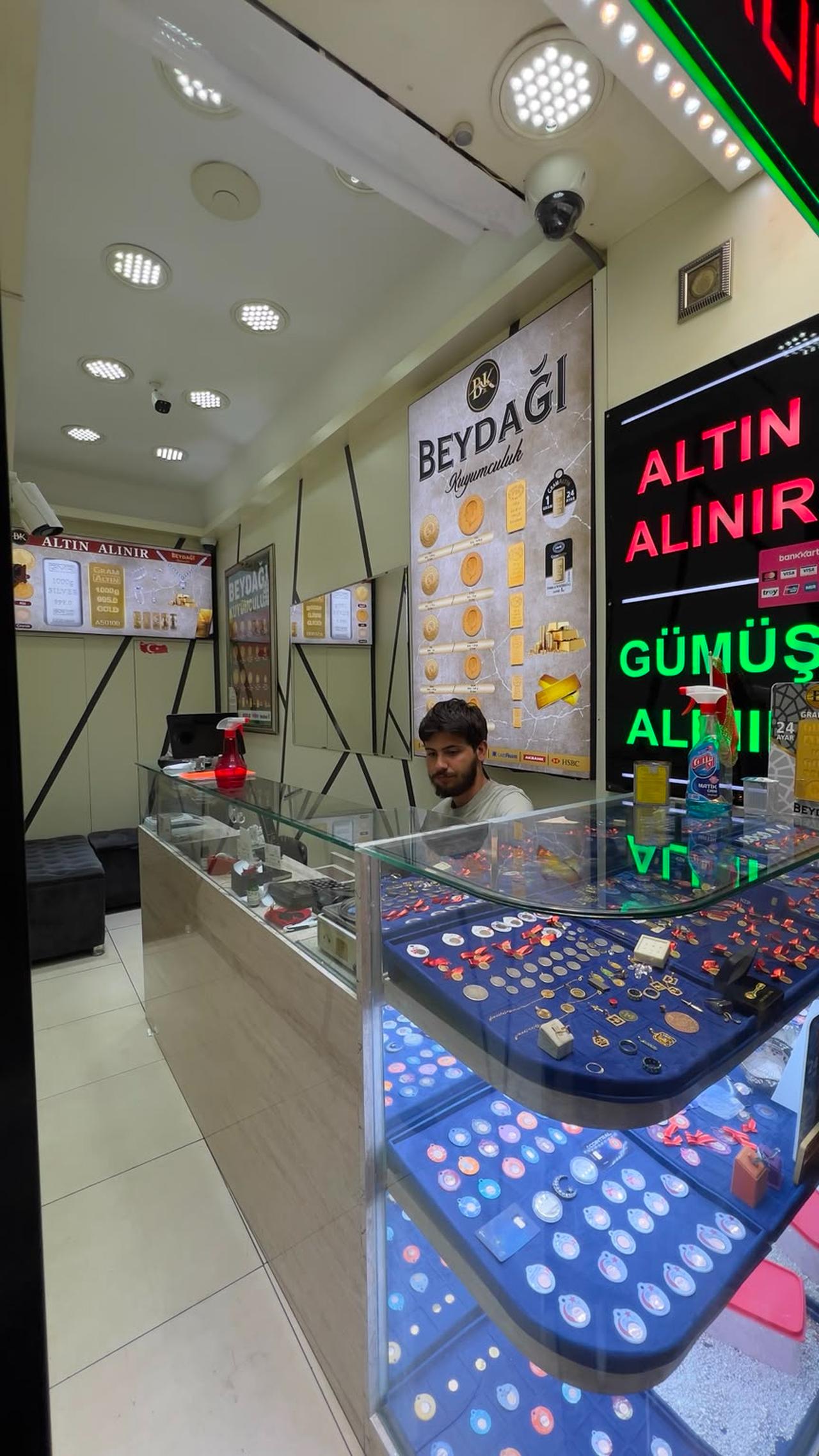

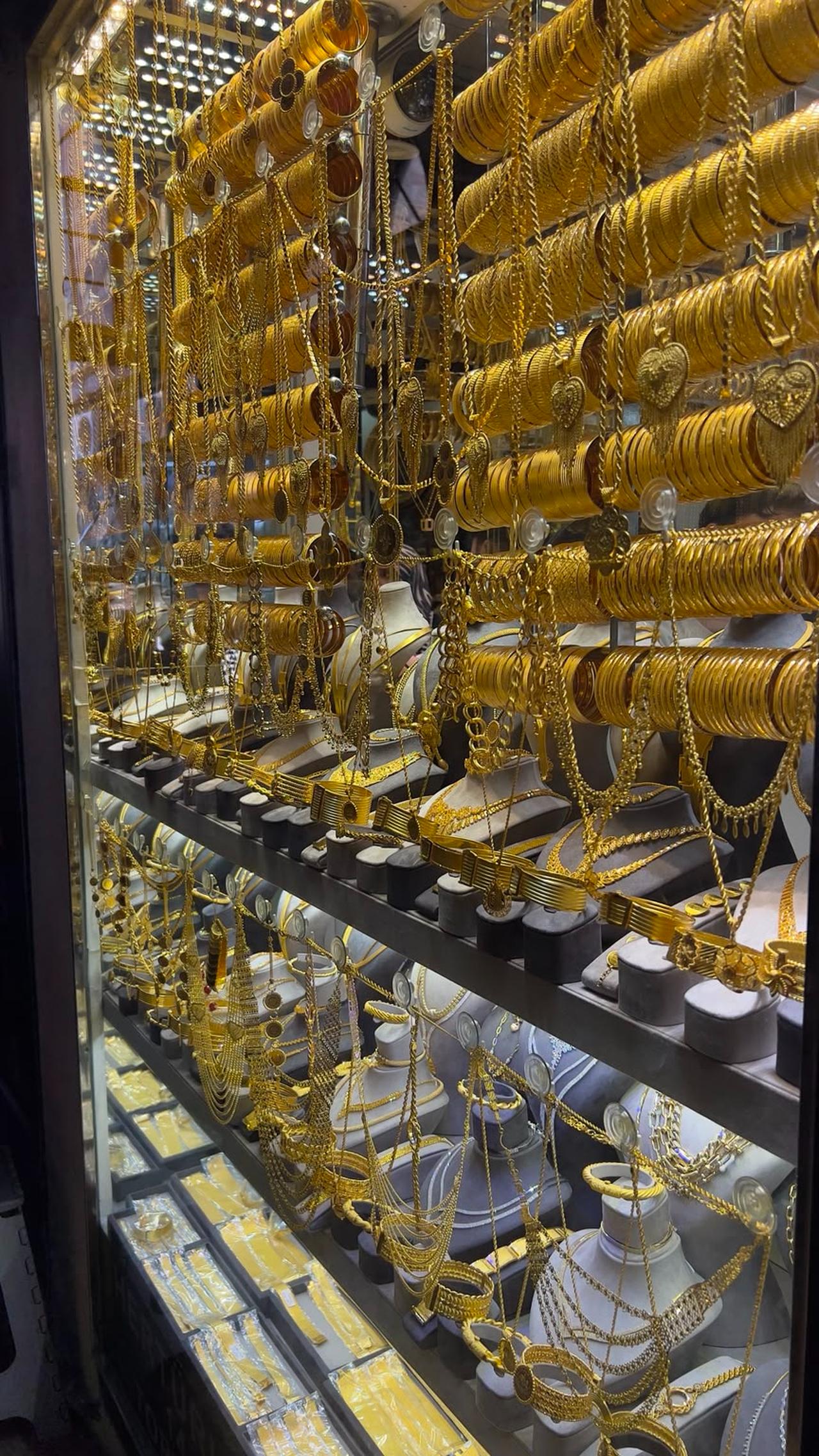
Weddings in Türkiye are still expected to include gold, whether in the form of quarter coins, bracelets, or elaborate jewelry sets presented to the bride. The custom stretches well beyond the wedding day: new mothers often receive gold after giving birth, and families continue to exchange it at major milestones.
"Turks cannot ignore gold," Karaca said. "It's part of our tradition."
What's changed, he said, isn't the custom—it's the amount families can afford.
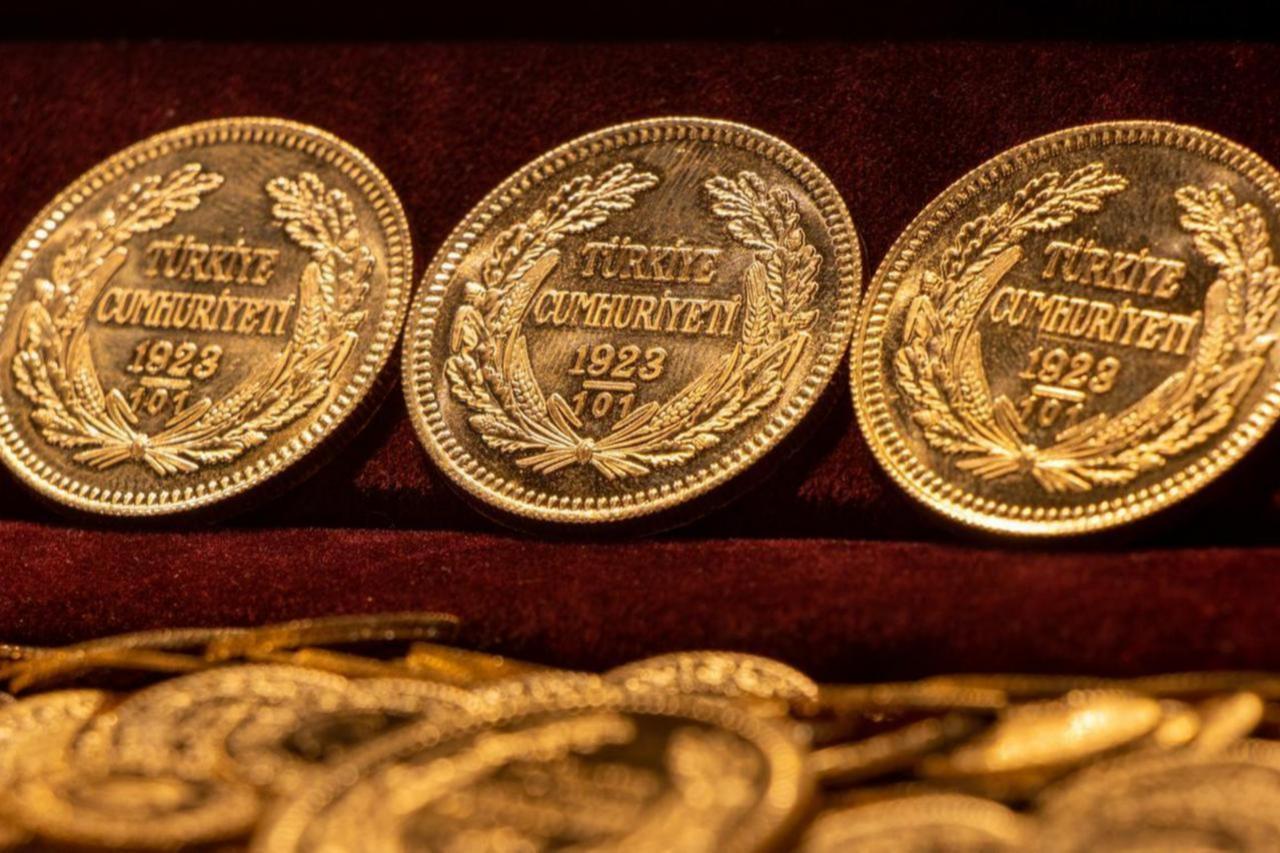
"In the past, they would buy 10 quarter gold coins, for instance. Today, they buy three."
That shift reflects more than the price of gold alone. Inflation has pushed up nearly every cost tied to getting married, from housing and furniture to wedding halls and household essentials, forcing many couples to postpone marriage or scale back long-standing traditions. Gold prices have compounded the problem: a gram of gold climbed to nearly TL 7,000 in May 2026 before falling back to around TL 6,300 within weeks, according to economist Furkan Yilmaz, who tracks the market daily.
"When it rains, everyone gets wet," Karaca said of the price swings. "Higher gold prices affect everyone: the buyer, the seller, the bride's family, the groom's family."
Yilmaz points to regional conflicts, rising oil prices, and broader global market volatility as the drivers behind the swings, and expects prices to keep climbing. Even so, he said, the basic expectation hasn't moved.
"No marriage is complete without gold," he said. Families simply adjust their purchases to match their budgets.
Despite the volatility, gold has held its appeal as a store of value in Türkiye. Many buyers still consider it safer than holding foreign currency—not just financially, but culturally, since it carries something the dollar doesn't: tradition. That preference persists even as the Central Bank of the Republic of Türkiye became the world's largest official seller of gold in the first five months of 2026, offloading a net 81 tons of its reserves amid the market turbulence, a sign of just how unsettled the gold market has been this year, even as investors and ordinary households keep buying.
The retreat from gold purchases is only part of a larger story: fewer Turks are getting married in the first place, and those who do are waiting longer.
At 35, Ayse has built a life in Istanbul after moving from Eskisehir for university and later finding work there. For her, marriage is no longer simply about finding the right person—it's about being financially ready for it.
"Everyone around me wants me to get married, but the right person hasn't arrived yet," she said. "I need to make good money before I get married."
Unlike her parents' generation, she believes marriage now requires calculation as much as emotion.
"My parents got married at a young age. They didn't give it a second thought," she said. "Nowadays, you have to calculate it from every side before marriage."
Her hesitation reflects a broader shift across the country. Young adults are marrying later as they weigh careers, housing costs and financial stability, and solo living has increasingly become a lifestyle imposed by modern economic pressure rather than a conscious choice. A government-backed latest nationwide study found that nearly 40% of the youngest generation don't plan to marry, even as more than 90% of respondents still describe family as one of society's most important values.
For sociologist Yesim Tatar Say, the fact that gold has survived even as marriage rates fall isn't a contradiction; it's an adaptation.
"For generations, gold has represented much more than a wedding gift," she said. "It symbolizes support, solidarity and good wishes for the couple's future."
Historically, wedding gold also functioned as a personal financial safety net for women at a time when access to education and stable employment was far more limited, Say explained. That role, she argues, is evolving rather than disappearing.
"As more women pursue higher education, establish careers and become financially independent, security is no longer associated only with gold," she said. "Education, employment, savings and professional opportunities have also become important sources of security."
This shift shows up not just in attitudes but in behavior. Karaca has noticed more unmarried women over 35 buying gold for themselves rather than waiting to receive it through marriage — a sign, he suggests, that gold is becoming less about tradition and more about personal financial planning.
Still, Say is careful to distinguish this evolution from abandonment. Economic pressure hasn't killed the custom, she says, it's just changed its scale.
"I don't think people are abandoning the tradition," she said. "They are adjusting the amount of gold according to what they can afford."
Yaren Sari, whose cousin is currently planning a wedding in Istanbul, has watched those pressures reshape how families negotiate gold itself.
"In the past, there was much more pressure," she said. "Families would openly say, 'We want this much gold.' That doesn't really happen anymore."
Today, she said, couples typically decide what they can realistically afford before even bringing their families into the conversation. Some still ask for bracelets or a traditional besi bir yerde necklace; others scale back the amount or simplify the ceremony altogether.
"The economy is the biggest reason people are getting married less," Yaren said. "Weddings are very expensive. People also want to establish themselves first. Instead of spending everything on one day, many young people would rather invest in their future or travel."
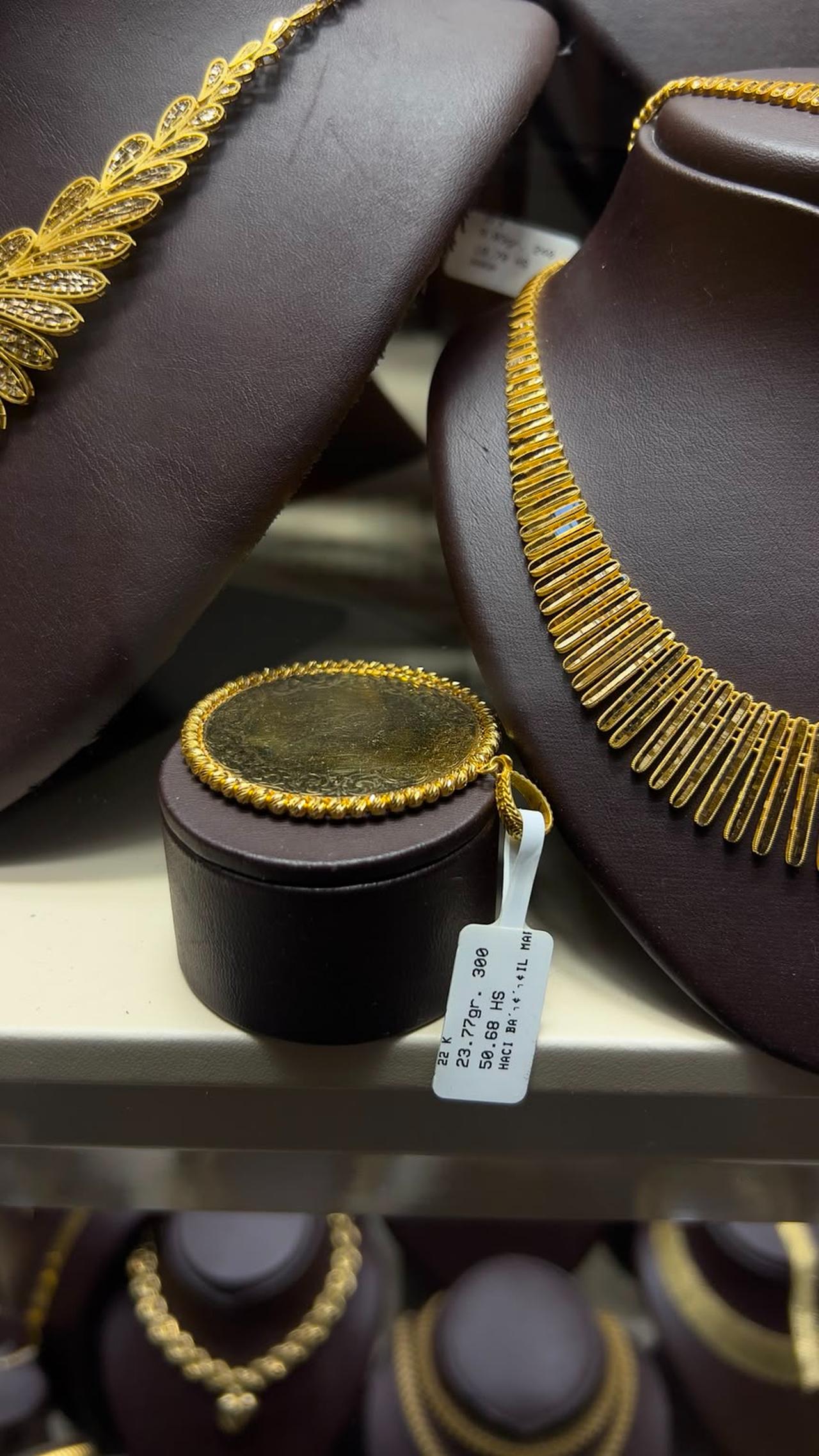
Anthropologist Vedat Cengiz sees the same shift through a wider cultural lens. Marriage in Türkiye, he said, has traditionally been more than a union between two people. It's an alliance between families, and gold is the object that makes that alliance visible.
"It publicly demonstrates family support, strengthens kinship ties and creates obligations that often continue across generations," he said, noting that families often return similar gifts when another wedding takes place in the extended family. "Rather than disappearing, the tradition is adapting to new economic realities."
That adaptation plays out differently across the country. In eastern Türkiye, where family customs remain stronger, the amount of gold presented during the wedding ceremony can still carry significant social weight, reflecting the respect shown to the bride and her family. In larger cities like Istanbul, couples increasingly negotiate those expectations themselves, often simplifying ceremonies or reducing the gold exchanged.
Nearly 800 kilometers from Istanbul, newlywed Aleyna described a wedding process in eastern Türkiye that still revolves around family visits and negotiations over gold. At the third meeting between the two families, elders discuss the engagement date and the jewelry the groom's family will provide—in her case, around 30 grams of gold, six bracelets and a matching jewelry set, with the final amount depending on what the groom's family could afford.
Even there, she said, attitudes toward the timing of marriage are shifting.
"Today, most people first want to build their own lives and careers," Aleyna said. "They marry later, and I don't think people judge that as they did in the past."
The scale still tips the same way
Back inside Beydag Jewelry, another customer steps up to the counter. He studies a bracelet for a few moments before placing it back on the glass.
"How much is 24k gold?" he asks.
Karaca smiles before reaching for the scale—a routine he's repeated thousands of times. For generations, the answer measured generosity and family support. Today, it also measures inflation, changing priorities, and the rising cost of building a life together.
Weddings are getting smaller and gold purchases lighter. But inside the Grand Bazaar, the question hasn't stopped echoing, carrying a tradition that, like the gold itself, has changed in weight but not in meaning.


 Set as preferred source
 Set as preferred source


 1 min read

 1 min read