Newsletters


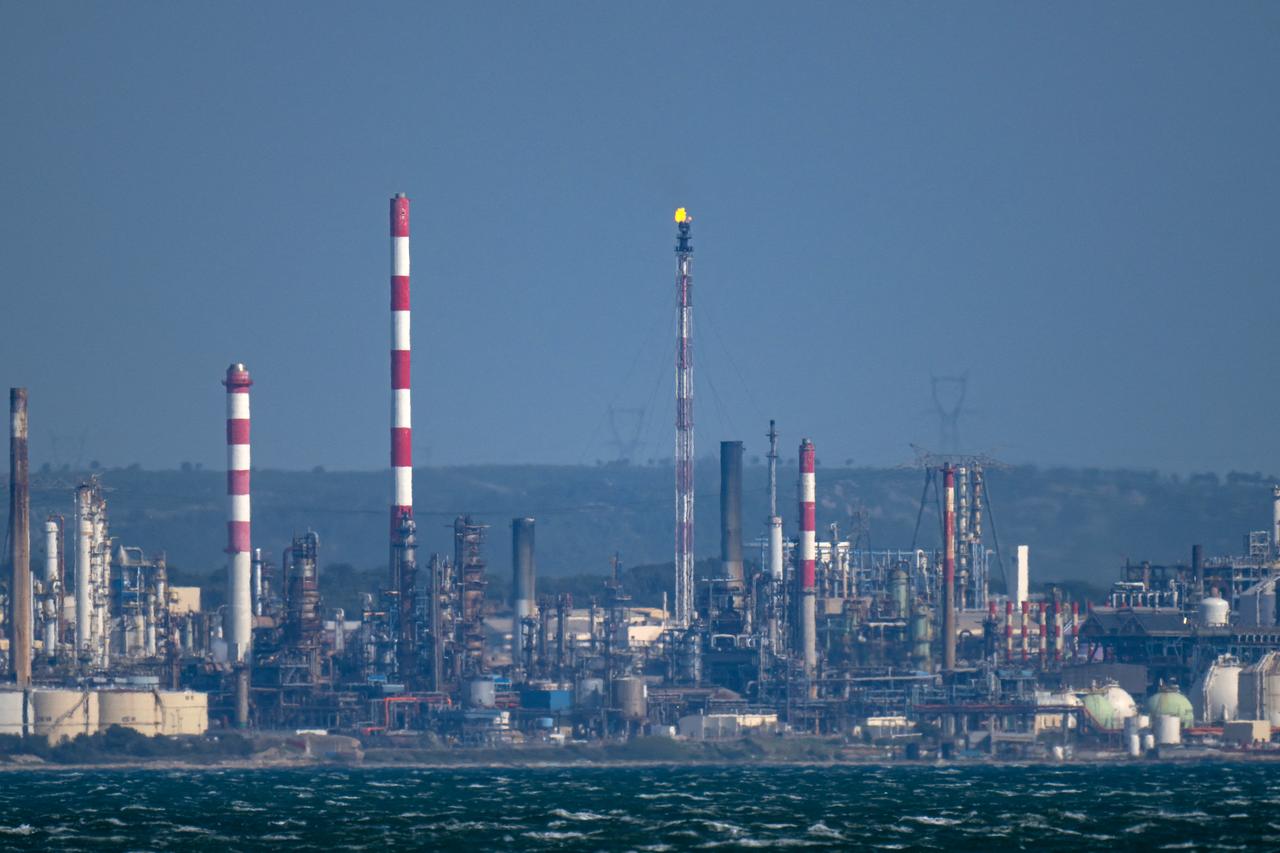


Oil prices moved higher on Thursday, with Brent crude reaching $104.47 and U.S. benchmark WTI climbing to $92.33 per barrel, as geopolitical tensions around Iran and the Strait of Hormuz continued to shape global market sentiment.
The gains in crude came as investor optimism eased following Iran’s rejection of U.S. claims about ongoing negotiations, adding to uncertainty after earlier gains in the week.
Stock markets across Asia turned lower after a two-day rebound. Japan’s Nikkei 225 dropped more than 0.7%, South Korea’s Kospi declined 3.4%, Hong Kong’s Hang Seng fell 2%, and China’s Shanghai Composite slipped 1%.
Futures tied to major U.S. indices also pointed downward, each losing around 0.5%, while pan-European Stoxx 50 futures fell about 0.9%, signaling broader caution among investors.
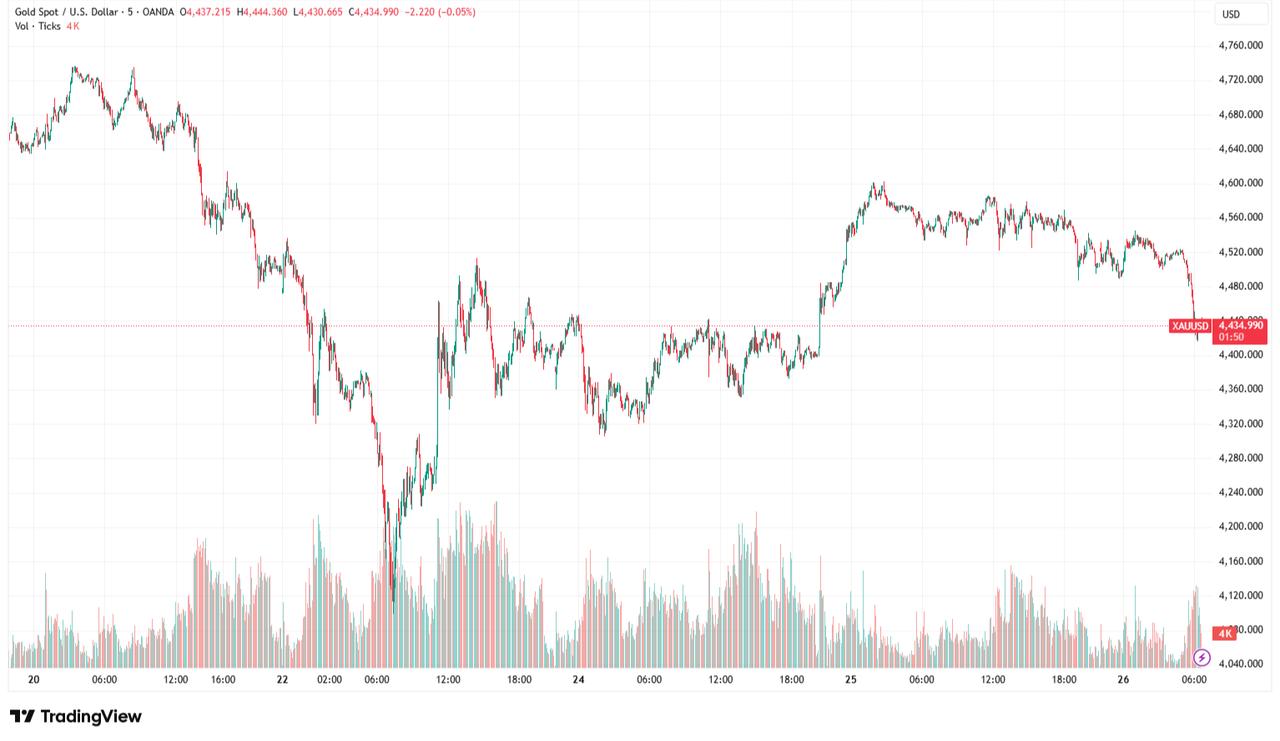
Gold prices, which had previously surged above $4,500 per ounce amid easing tensions, fell 1.6% to around $4,430 in early trading. Other metals followed a similar trend. Silver dropped 2% to $69.8 per ounce, while palladium and platinum declined to $1,370 and $1,860, respectively.
In digital assets, bitcoin lost 1.6%, slipping below $70,000 again, and ethereum fell 2% to $2,120.

Market volatility continues to be driven by uncertainty surrounding the Strait of Hormuz, a critical shipping route that handles around 20% of global oil and gas flows.
Earlier in the week, sentiment improved after U.S. President Donald Trump stepped back from threats targeting Iran’s energy infrastructure and signaled possible peace talks. However, Tehran disputed claims of direct negotiations, reintroducing uncertainty into markets.
Washington proposed a 15-point framework aimed at ending the conflict, including provisions related to Iran’s enriched uranium and reopening the strategic waterway. Iranian officials, in turn, outlined their own conditions, including changes to navigation rules in the strait, such as introducing passage fees.
Iranian Foreign Minister Abbas Araghchi said the strait remains open but restricted, noting that passage is allowed for vessels deemed friendly, while access for adversaries is limited.


 Set as preferred source
 Set as preferred source


 1 min read
 1 min read