Newsletters


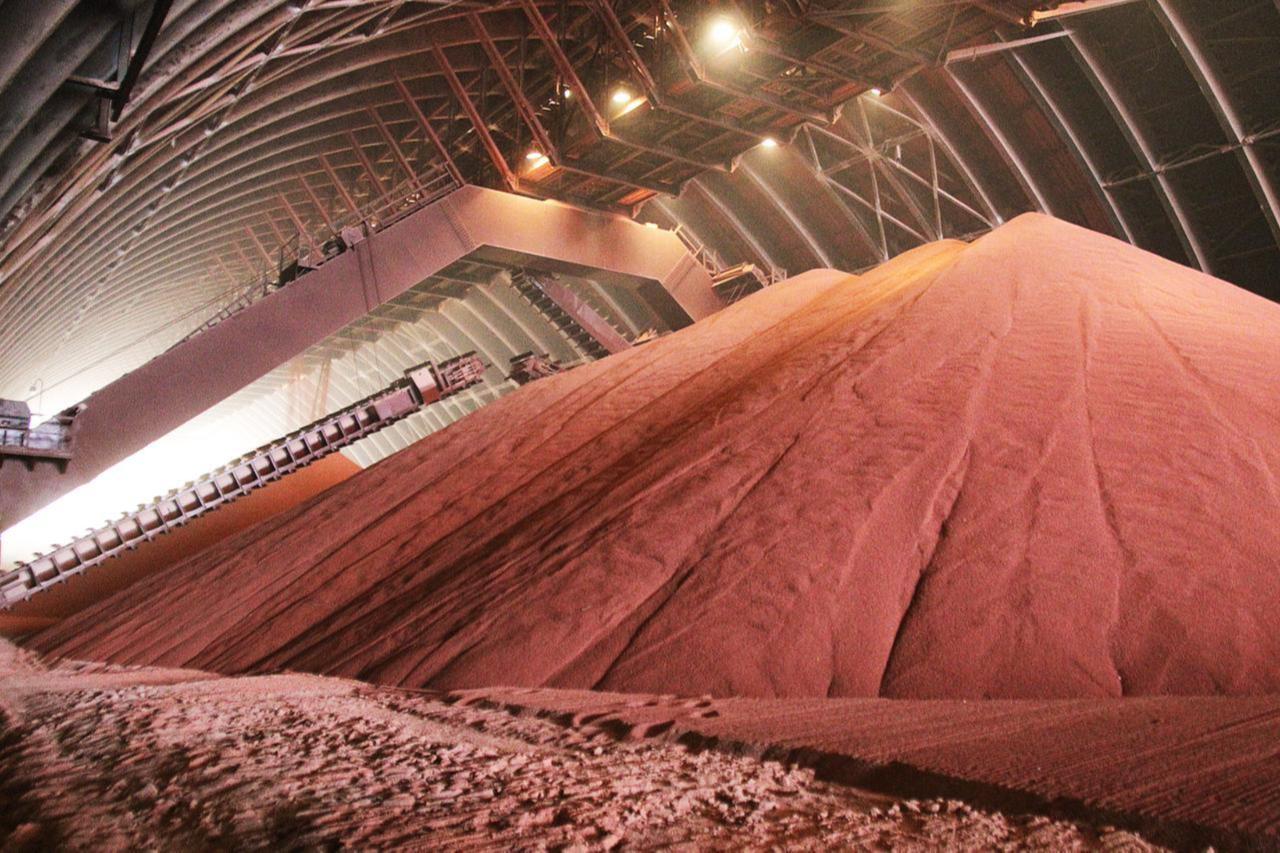


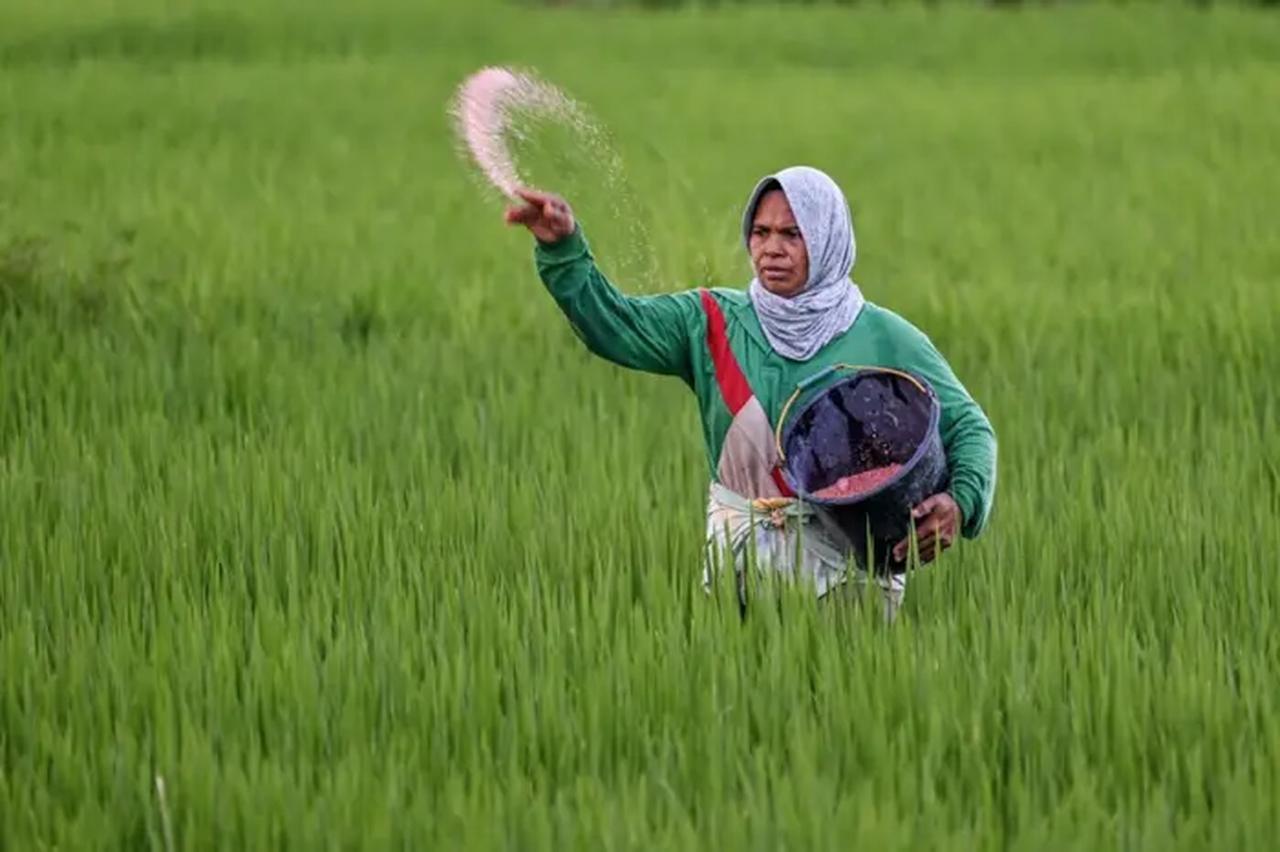
When most people think of the Gulf region's role in the global economy, oil and gas dominate the conversation. But the region carries a consequential responsibility that rarely makes headlines as it is one of the world's primary sources of fertilizer inputs, and the ongoing conflict is putting that supply at serious risk.
The connection between the Gulf and global fertilizer production runs through natural gas. Nitrogen-based fertilizers, the most widely used category in industrial agriculture worldwide, require natural gas as a core production input.
The Gulf's abundance of natural gas has made it a central supplier of ammonia, sulfur, and other compounds that feed the world's farms. Saudi Arabia alone is the fifth-largest fertilizer producer in the world, with other GCC countries and Iran hold a large sum in total production.
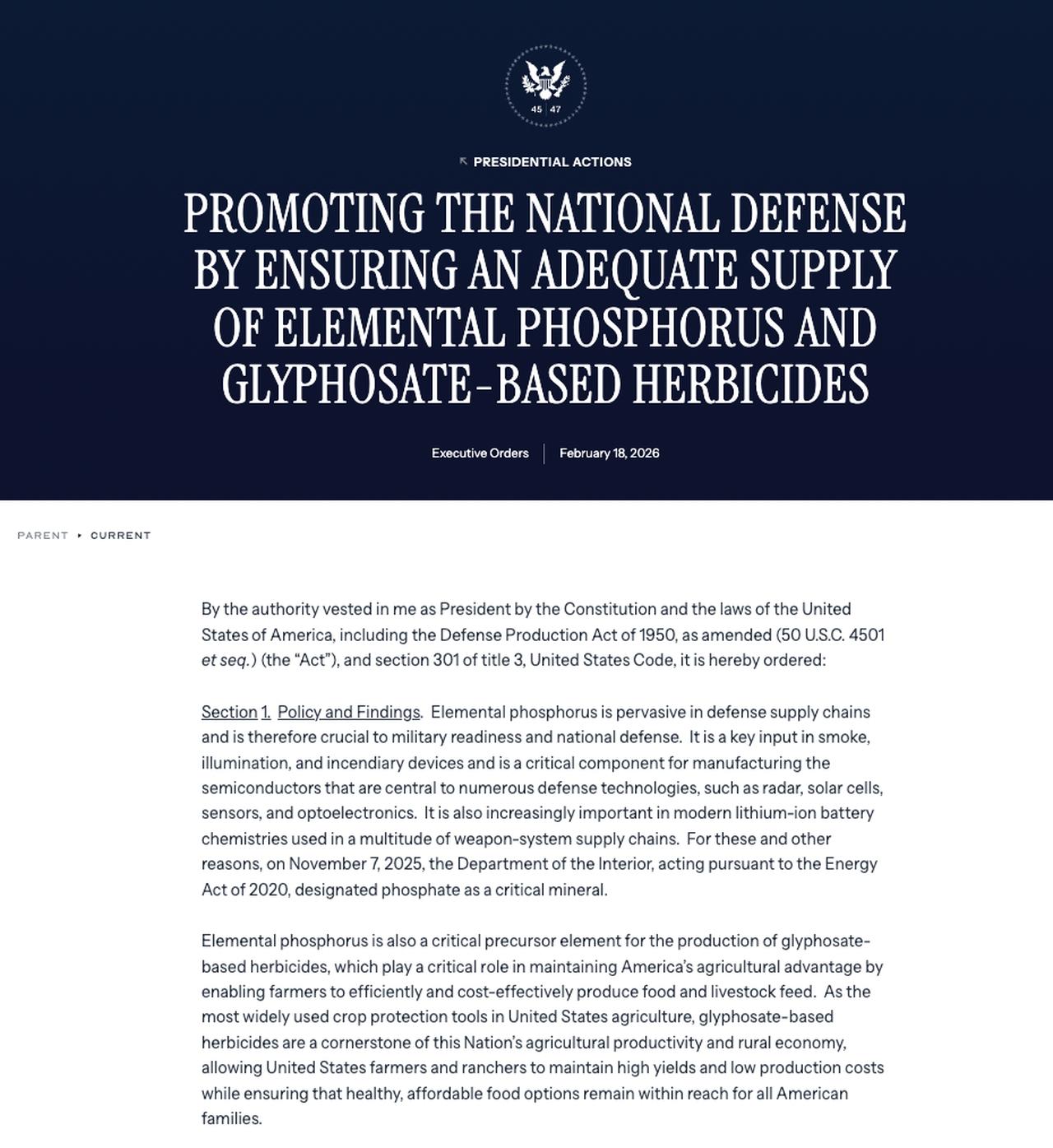

On February 18, 2026, roughly ten days before the current conflict ignited, President Donald Trump issued an executive order aimed at accelerating the domestic creation of essential fertilizer components. This move spurred a rapid increase in production for major firms like Bayer-Monsanto, indicating that American leadership was preparing for a significant shock to the global supply network.
The necessity of this foresight became clear on February 28, when a joint military operation by the United States and Israel against Iran sparked a series of escalations across the Middle East.
Tehran countered with drone and missile strikes directed at Israel and neighboring countries hosting American military assets, causing significant damage to infrastructure and international aviation.
The fallout from the Hormuz closure is being felt acutely in India, where the government has been forced to prioritize domestic energy needs by downgrading the fertilizer sector for natural gas allocation. This shift, combined with a lack of ammonia imports from the Gulf, has resulted in a monthly loss of 800,000 tons of urea production.
In China, extreme price volatility has led to strict export restrictions on sulfur and fertilizers. This withdrawal from the market has left agricultural powerhouses like Brazil unable to meet 30% of their phosphate needs, creating a serious stock crisis as they struggle to find alternative sources.
"In the United States, the farmers are writing letters to President Trump saying that, listen, we cannot really plant because planting season is coming in March and April," said Hilal Elver, UN Former Special Rapporteur on Right to Food, and a member of the High Level Scientific Committee of the World Food Security (CFS). "So fertilizers are important. That is a major issue right now."
Speaking to Türkiye Today, Elver said that the crisis is exposing a structural weakness at the heart of global agriculture that is concentration. “The global food system is highly concentrated, geographically and corporately,” with production dominated by a handful of actors.
“Only four major fertilizer corporations are bringing [products] from one place to another,” she said, warning that “they are very much depending on transportation and on major production areas.” This reliance makes the system highly vulnerable to disruption.
Elver pointed to the Russia-Ukraine War as a precedent but stressed the current crisis runs deeper. “The problem is a little bit bigger right now as we are not only talking about grain,” she noted.
In her words, “Gulf areas depend on the global system for food, but the global system depends on them because of fertilizers.”
Even if the military conflict were to conclude immediately, the recovery of the global supply chain would likely take months. Shipping insurance premiums have skyrocketed, creating a financial barrier that keeps supply at a standstill.
The insurers require a period of sustained stability before they will consider lowering these prohibitive premiums. This means that fertilizer exporters in the Middle East will continue to face high shipping costs and a loss of global competitiveness for the foreseeable future.
While the surge in diesel prices triggered by the Middle East conflict is already widely felt and its domino effects are unmistakable, a prolonged trajectory will further intensify food inflation by compounding it with escalating fertilizer costs.


 Set as preferred source
 Set as preferred source


 4 min read