Newsletters


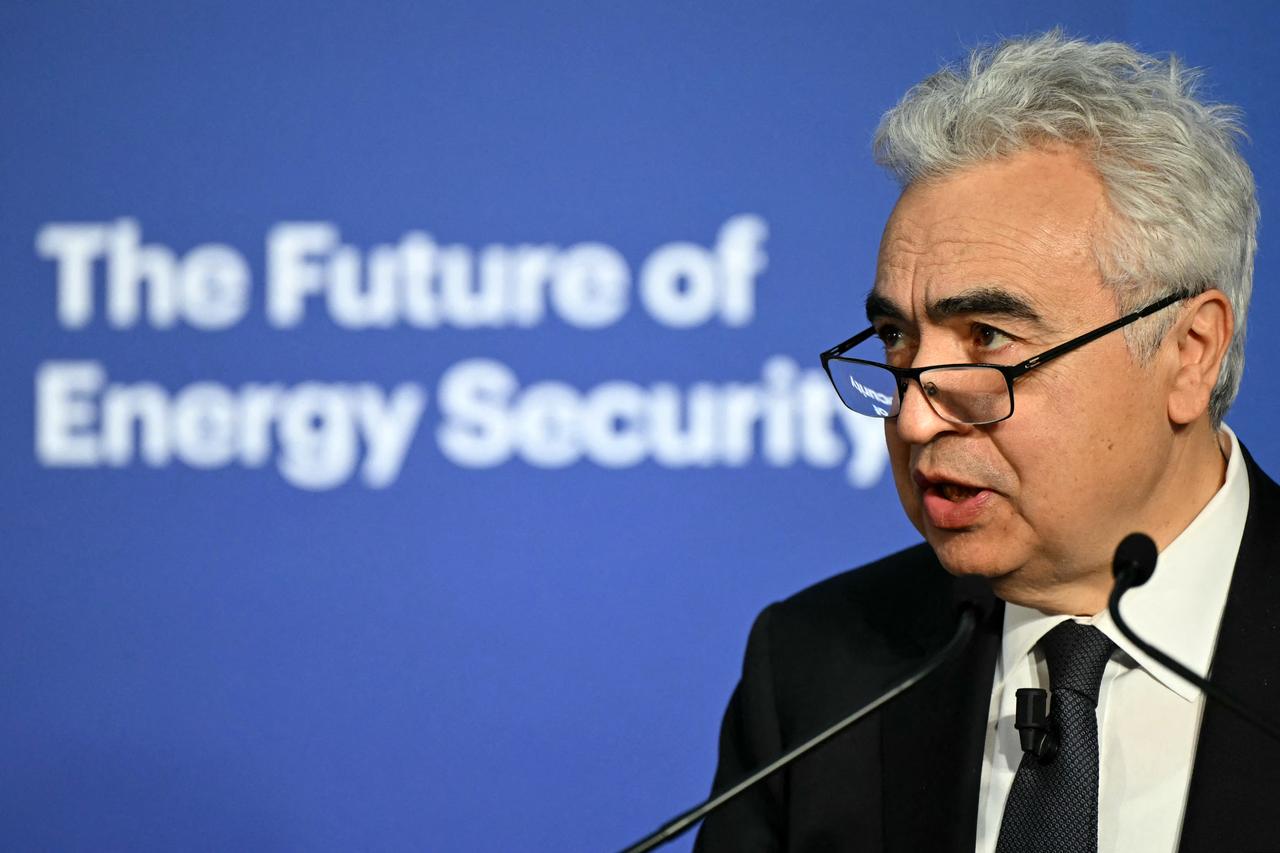


The head of the International Energy Agency said Wednesday he was "ready to move forward" with an additional release of oil reserves if necessary, as the war in the Middle East continues to threaten global energy supplies.
Fatih Birol made the remarks in Tokyo after Japanese Prime Minister Sanae Takaichi asked the agency "to prepare to implement an additional release in case the situation drags on" due to the ongoing conflict.
The International Energy Agency said earlier this month that member countries would release 400 million barrels of oil from their reserves to ease the impact of the Middle East war, marking the largest such release ever.
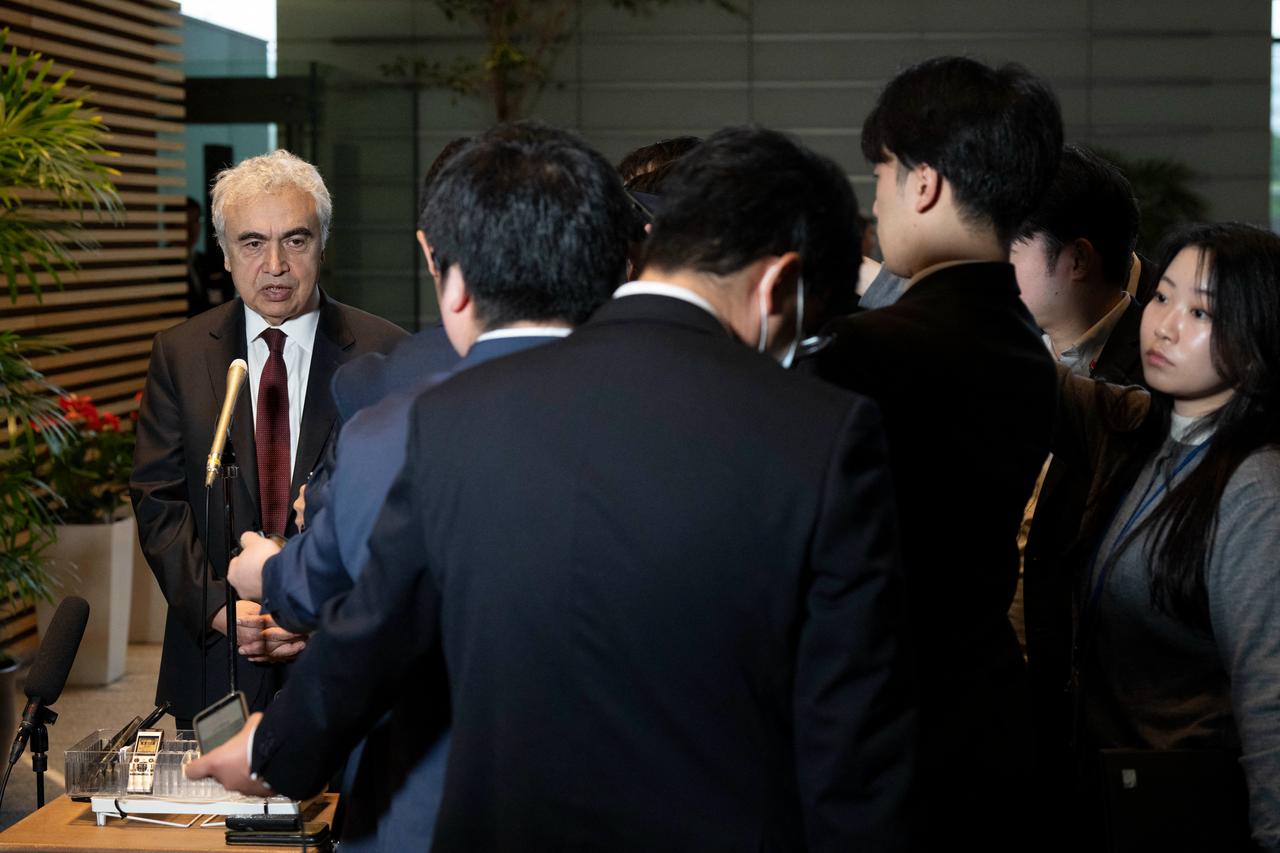

Birol said there was still a significant amount of oil remaining in global emergency reserves.
"80% of our stocks are still with us. This 400 million barrels were only 20% of our stocks," he said.
"If and when necessary, we are ready to move forward, but I very much hope that it will not be necessary."
"The world is facing a serious energy security threat, but the International Energy Agency is ready to play its core role of being a guardian of global energy security," he added.
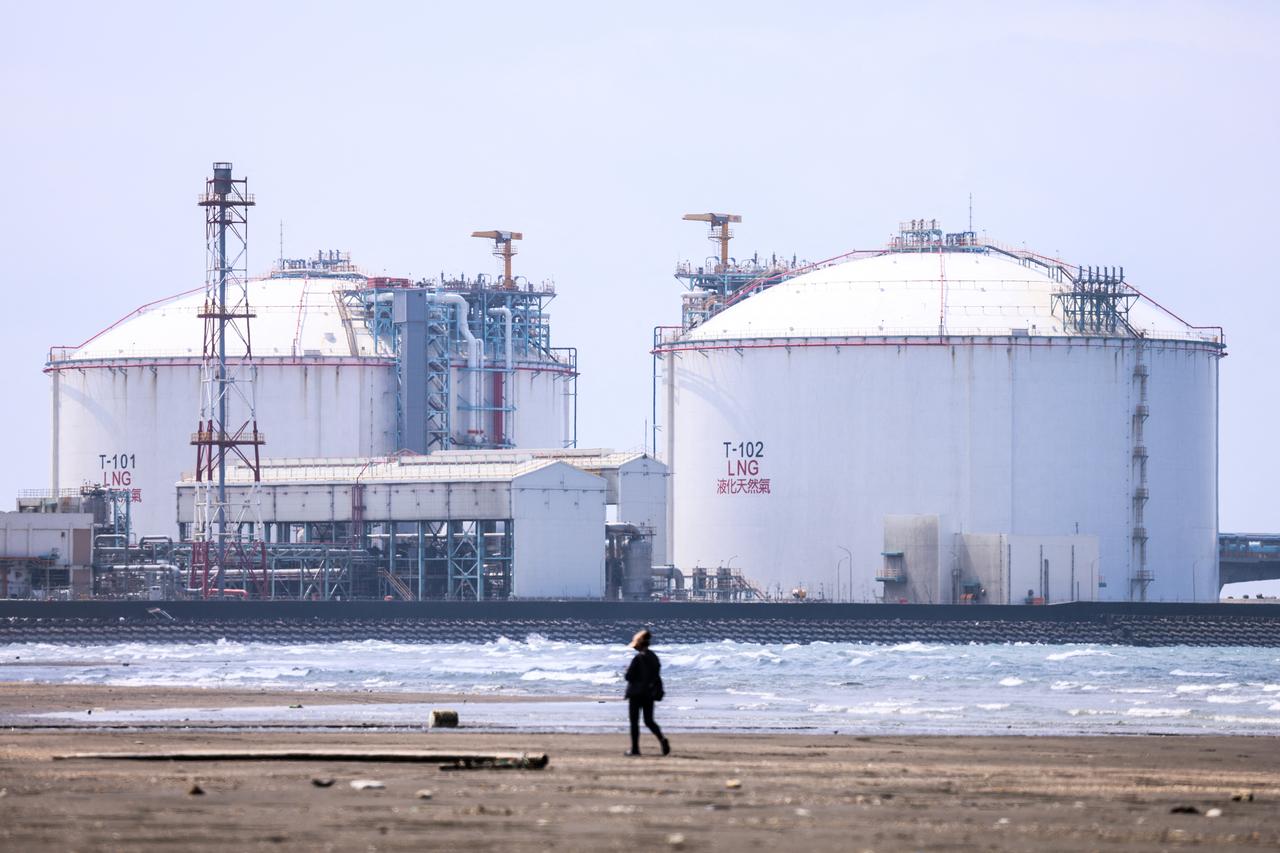
Japan began releasing 15 days’ worth of private-sector petroleum reserves last week and will begin tapping government stockpiles on Thursday.
Tokyo also plans a release from joint stockpiles held in Japan by oil-producing nations by the end of the month, Takaichi said.
Joint reserves are held in Japan by Saudi Arabia, the United Arab Emirates and Kuwait, according to the Petroleum Association of Japan.
Under normal circumstances, the jointly stored crude is used commercially, but in an emergency, Japanese oil companies have preferential purchasing rights.
 1 min read
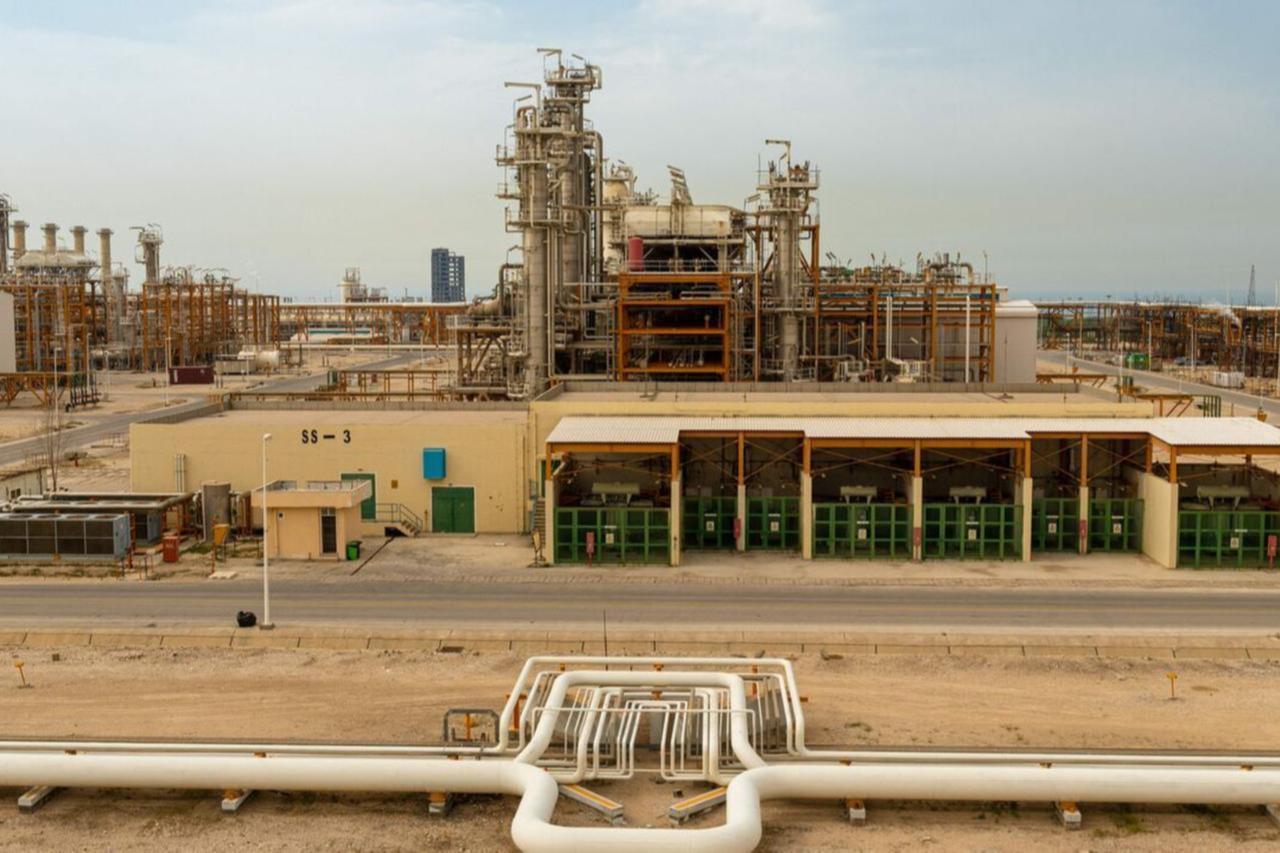
The partial closure of the Strait of Hormuz, a critical chokepoint for global oil and liquefied natural gas shipments, has increased concerns about global supply availability and added volatility to energy markets.
Japan depends on the Middle East for about 95% of its oil imports, leaving it particularly exposed to the war in Iran and the effective disruption of the Strait. Japan is due to begin releasing crude from its strategic reserves on Thursday.


 Set as preferred source
 Set as preferred source


 1 min read